THE LIVING ARCHIVE
About Varuna
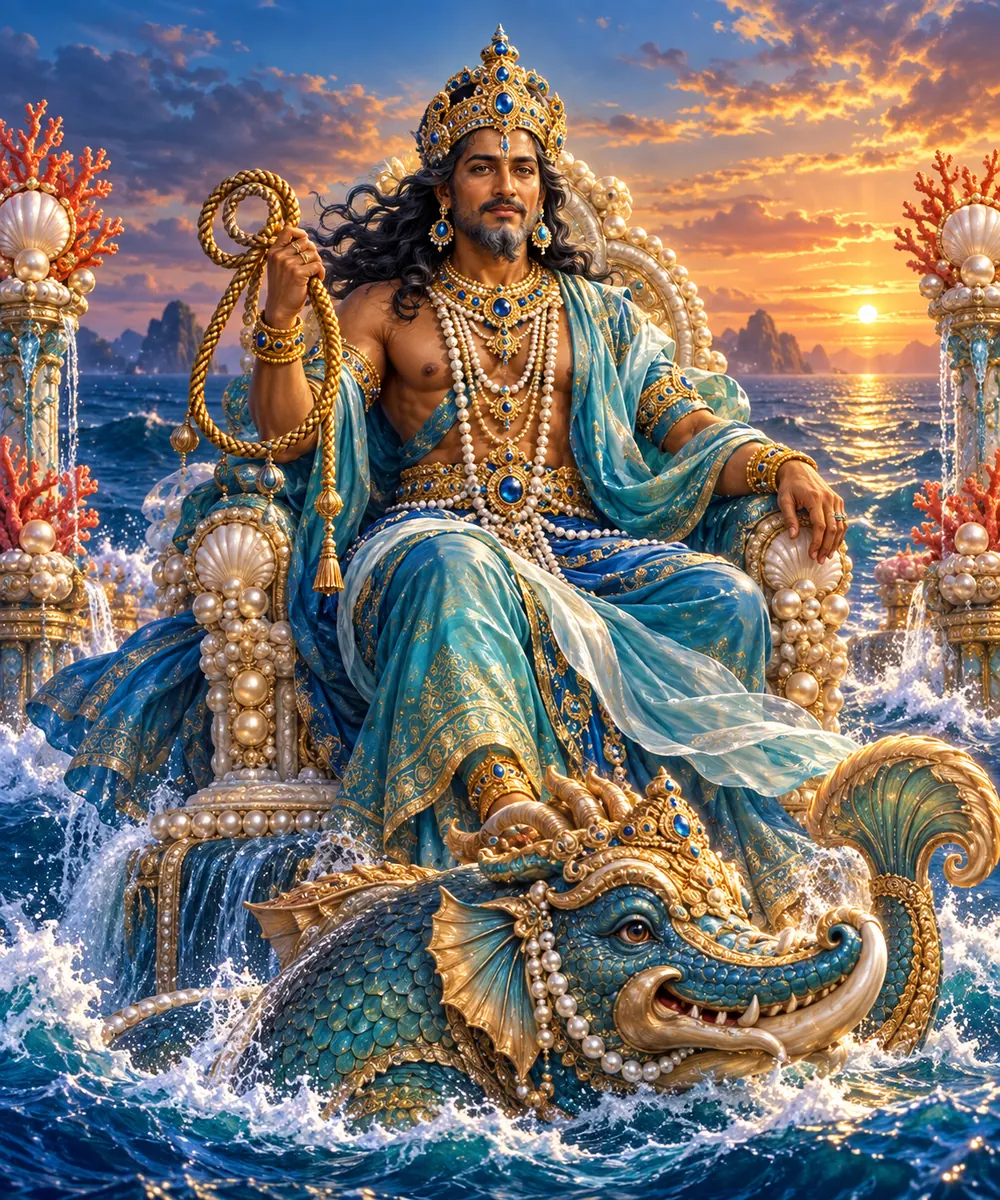
Rigvedic prayer addresses Varuna as a king whose power sustains the separation of heaven and earth. His relationship to the worshipper includes knowledge of transgression and the ability to release a person from binding guilt. This is a wider sovereignty than the simple description ‘sea god’ suggests. Waters become prominent in later narrative settings without exhausting the range of his Vedic identity.
AT A GLANCE
Identity & Context
- Identity
- Deity
- Form
- Major deity / divine family figure
- Tradition
- Vedic · Puranic
- Also Known As
- Varuṇa
- World & Associations
- Waters; western direction
THE STORY
Life & Stories
Story Connections
- Vedic sovereignty
- Oceanic and epic narratives
ROLE & ESSENCE
Attributes & Significance
Binding and release recur across these portraits. A worshipper asks to be freed from guilt; a weapon passes into a hero’s keeping and is eventually returned. Varuna’s power involves relationships governed by conditions rather than unrestricted personal possession. His royal character and aquatic associations can therefore be read together without treating either as the only authentic form of the deity.
Role
Vedic deity associated with order and, in later accounts, waters and western guardianship.
Attributes & Abilities
- Waters
- Binding noose
- Cosmic order
Objects & Emblems
- Pasha / noose
TRADITION & MEANING
Traditions & Interpretations
Varuna can appear as the king before whom one confesses, the divine authority whose restraint is feared, or the guardian who releases something valuable for a defined task. All three views make responsibility as important as power.
The Vedic prayers and epic gifts of weapons are different kinds of account. The prayers describe guilt and reconciliation, while the gift of Gandiva responds to a particular task requested by Agni. These episodes portray Varuna in different relationships rather than providing one continuous personal biography or a general promise of weapons to worshippers.
From the Sacred Texts
Explore the sacred texts behind these stories in the Suvarnaveda library.
Artwork & Archive Notes
Visual Identity
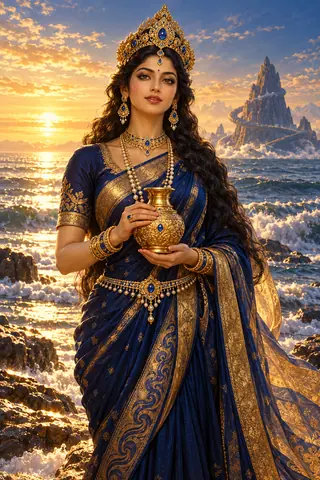
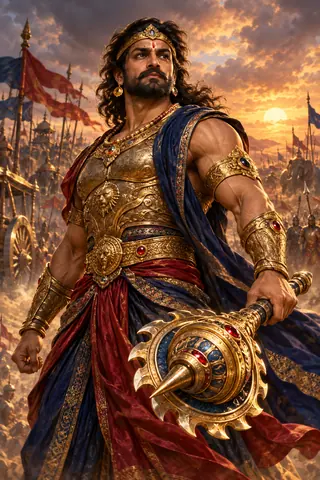
Where artwork is shown, it is a contemporary illustrative interpretation. This reference record does not establish a fixed portrait, colour scheme, or complete set of iconographic attributes for this figure.
Tradition Note
The accounts belong to Vedic / Puranic. Genealogy, theological interpretation, and portrayal can differ between texts and regional retellings.
FOLLOW THE THREADS
Connected Cards
29 connected profiles. Every path leads to an original record.
Astras1

Varuna provides the divine association of the weapon.
Weapons3
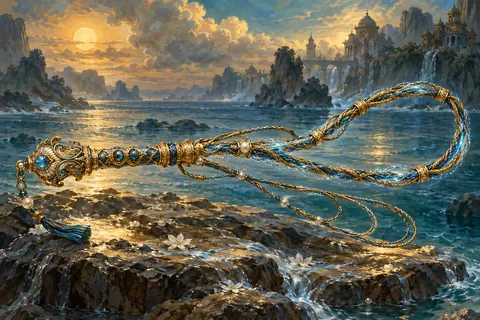
Varuna carries and grants the nooses.
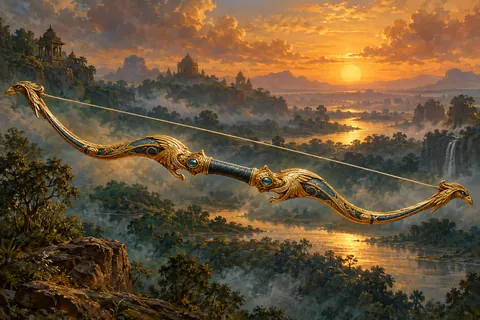
Varuna supplies the bow and receives it back at the end of Arjuna’s career.
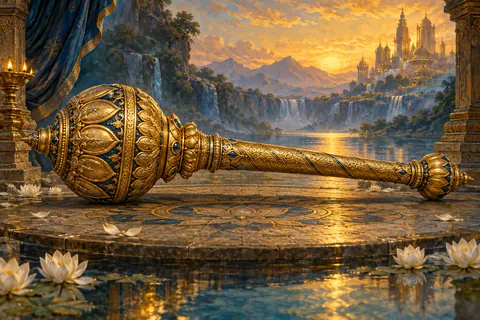
Varuna supplies the named mace in the Khandava episode.
Artifacts, Divine Treasures & Relics3

Varuna is the owner named in the theft report.
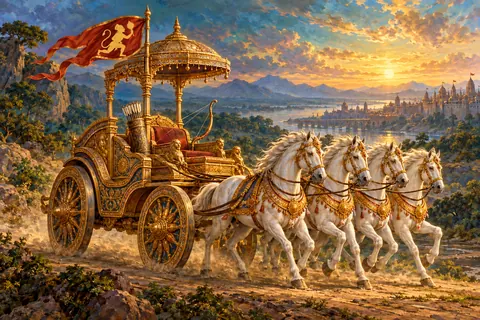
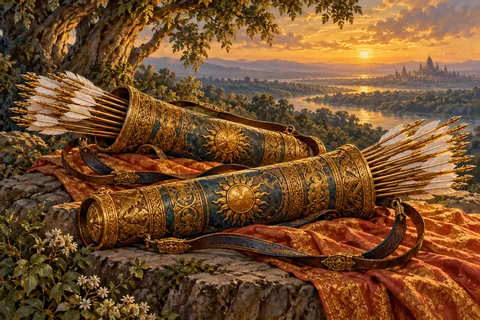
Their supply and final return are associated with Varuna.
The Sacred Library7
Varuna instructs Bhrigu.
Varuna grants the son and demands fulfilment of the king’s promise.
Varuna is Bhrigu’s father and teacher within this particular narrative.
Varuna joins Yama in finding Agni after his withdrawal.
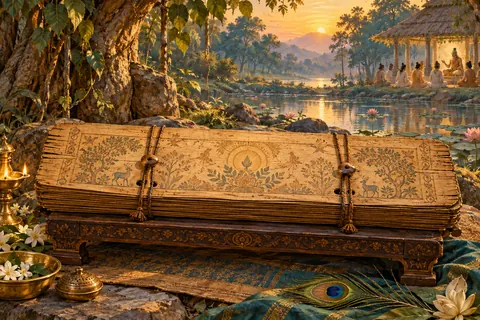
Varuna guides Bhrigu Varuni’s inquiry into Brahman in the Upanishadic portion.
Realms & Cosmic Worlds1

Varuna protects Mount Krauncha and is associated with the inhabitants’ worship.
Stories & Events1
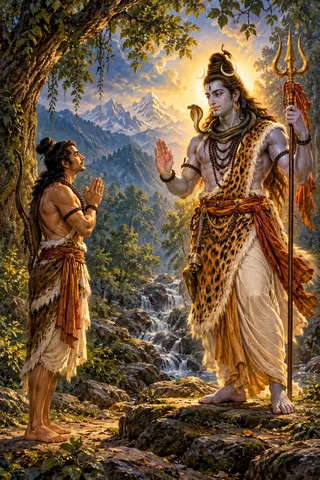
Varuna joins the guardians who appear after Arjuna receives Shiva’s favour.
Characters & Cosmic Entities13
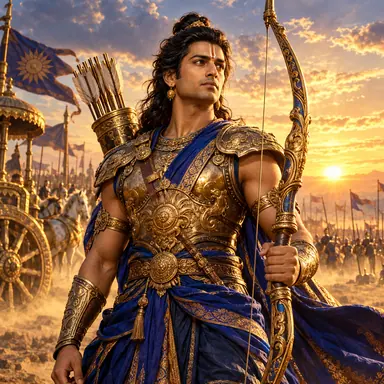
Varuna supplies Gandiva and receives the bow back.

Varuna directs Bhrigu’s inquiry into Brahman.

Agni calls Varuna to supply the celestial weapons.
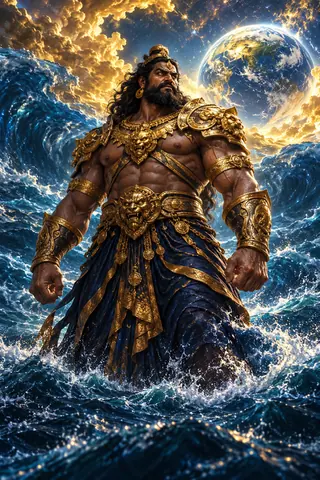
Varuna directs his challenge toward Vishnu.

Krishna recovers Nanda after Varuna’s servant takes him.
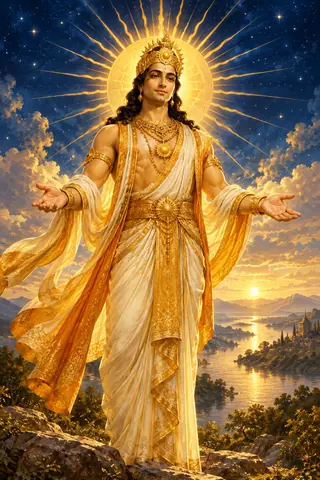
Mitra and Varuna are praised together as guardians of order.
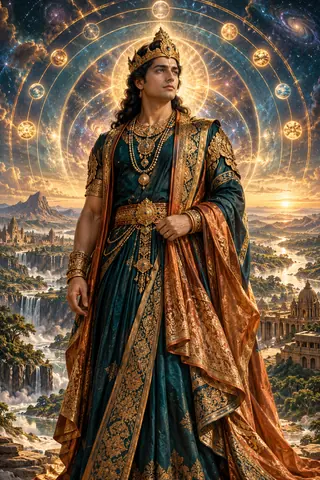
Daksha-Savarni is called a son of Varuna.
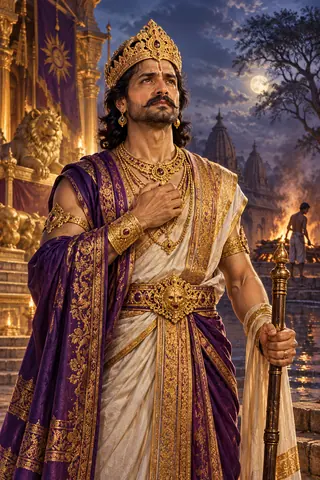
The separate sacrifice narrative concerns a promise to Varuna.
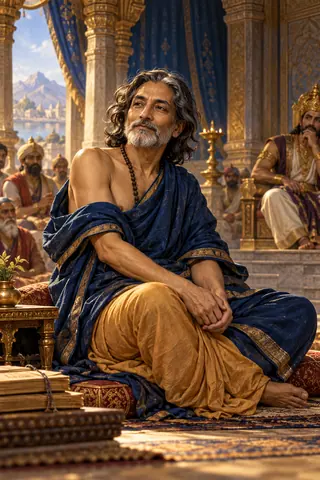
Vandin identifies himself as Varuna’s son.
Varuna sends the forest’s varuni flow.

The epic names Kaveri among the personified waters attending Varuna.

The river hymn credits Varuna with making Sindhu’s channels.
Varuna gives his son the conditional mace.