THE LIVING ARCHIVE
About Bhairava
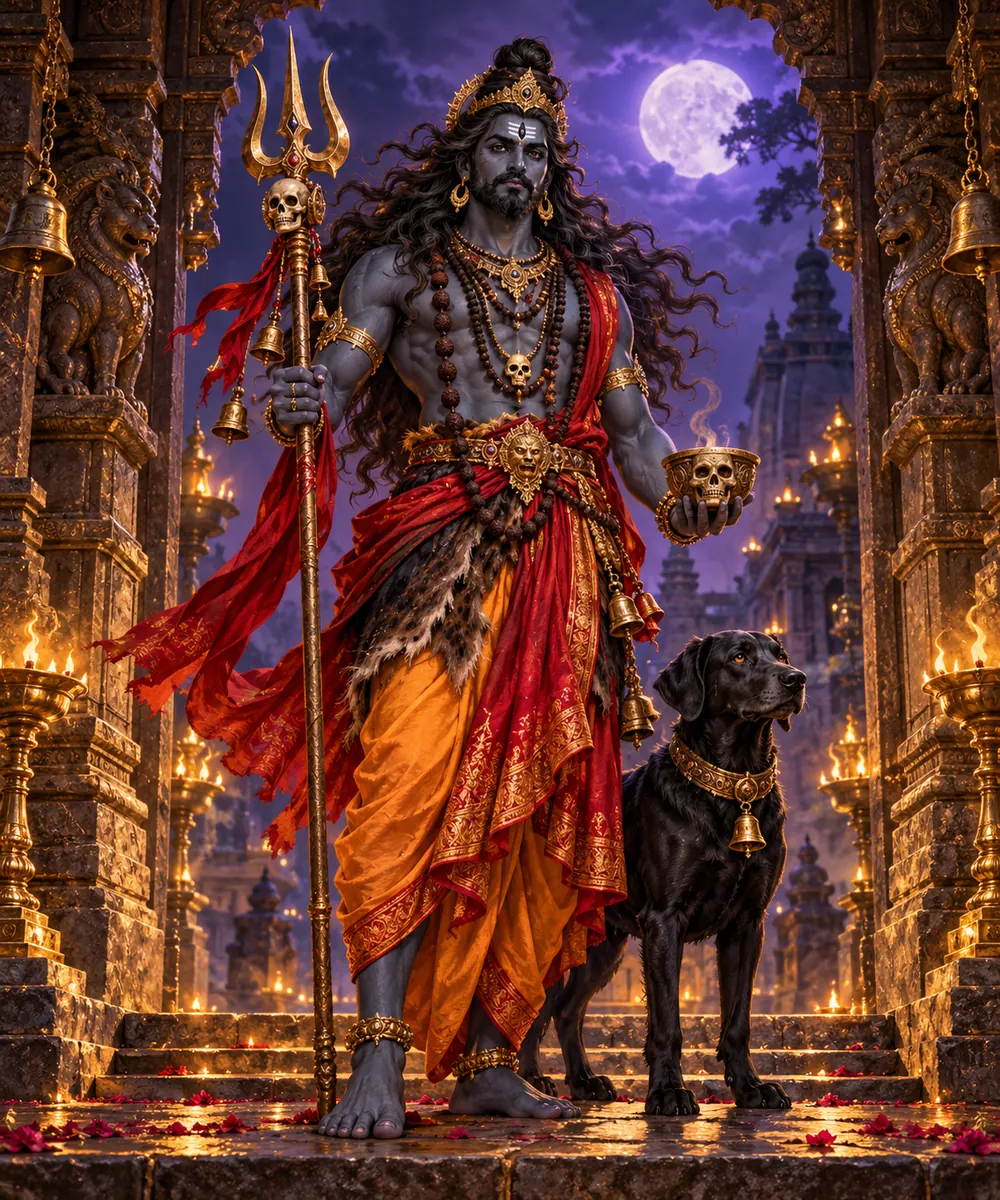
In the Shiva Purana, Bhairava’s fierce manifestation answers a dispute about divine authority in which pride conceals knowledge. Its violence has a particular target and corrective purpose rather than being directed indiscriminately at all beings.
The skull in his hand is part of that story’s cost. Although born from Shiva and acting against an offense, Bhairava publicly bears the condition of a skull-carrying mendicant. His identity therefore contains both the power to chastise and the burden that follows an act of killing.
AT A GLANCE
Identity & Context
- Identity
- Divine Manifestation
- Form
- Shaiva or composite manifestation
- Tradition
- Shaiva · Puranic
- Also Known As
- Kala Bhairava · Bhairava (Shaiva)
- World & Associations
- Sacred sites; cremation-ground imagery
Family Context
The available reference record does not establish a complete family genealogy. No parents, consorts, or descendants are inferred from the name alone.
THE STORY
Life & Stories
Story Connections
- Brahma's head episode
- Guardian traditions
ROLE & ESSENCE
Attributes & Significance
The narrative refuses to separate protection from accountability. Bhairava can expose pride and enforce a boundary, yet his journey gives lasting form to the consequences of the act. Terror and refuge belong together: what is frightening to arrogance can be sought as a protector by a devotee.
Role
Fierce Shaiva form associated with protection, time, and sacred-space guardianship.
Attributes & Abilities
- Fierce protection
- Transformation
Objects & Emblems
- Trident
- Skull-bowl (iconographic implement)
TRADITION & MEANING
Traditions & Interpretations
Bhairava traditions extend well beyond this Puranic sequence into many ritual, local and Tantric forms. Their names and visual attributes vary. The Kashi account explains Kalabhairava’s particular story without making every Bhairava a duplicate character or requiring one universal set of arms and emblems.
The skull makes the consequence of the killing visible throughout Bhairava’s journey. Neither strength nor arrival at the first holy place removes it. Its fall at Kapalamocana gives the release a particular destination within Kashi.
From the Sacred Texts
Explore the sacred texts behind these stories in the Suvarnaveda library.
Artwork & Archive Notes
Visual Identity
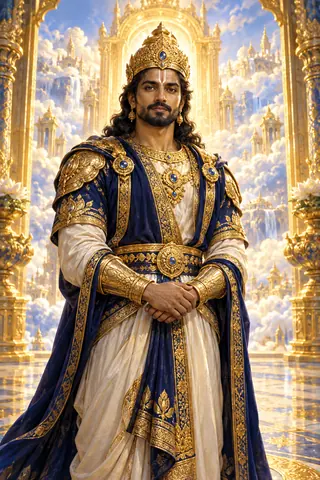
Where artwork is shown, it is a contemporary illustrative interpretation. This reference record does not establish a fixed portrait, colour scheme, or complete set of iconographic attributes for this figure.
Tradition Note
The accounts belong to Shaiva / Puranic. Genealogy, theological interpretation, and portrayal can differ between texts and regional retellings.
FOLLOW THE THREADS
Connected Cards
10 connected profiles. Every path leads to an original record.

The Sacred Library1

Characters & Cosmic Entities8
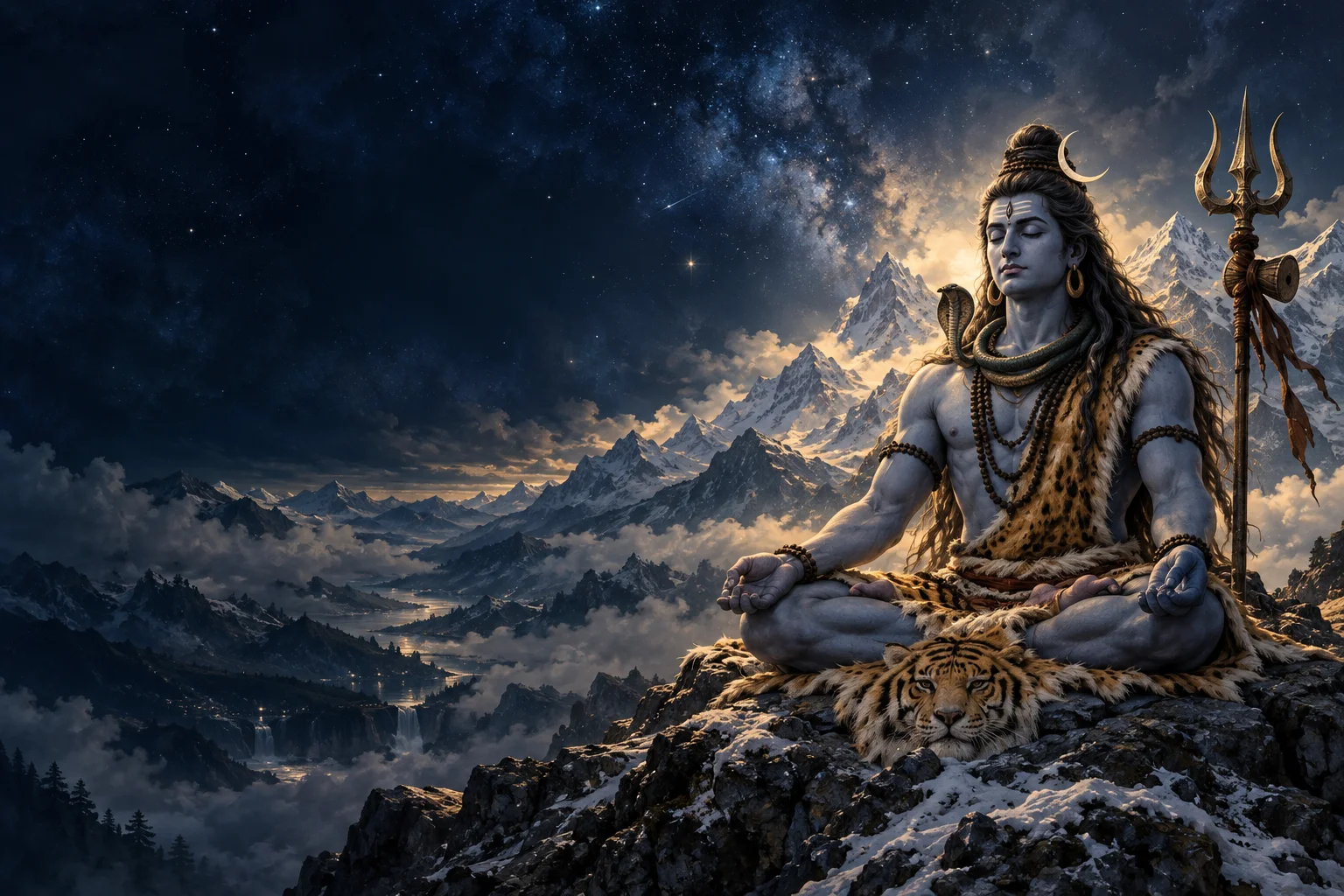
Bhairava is Shiva’s fierce manifestation.
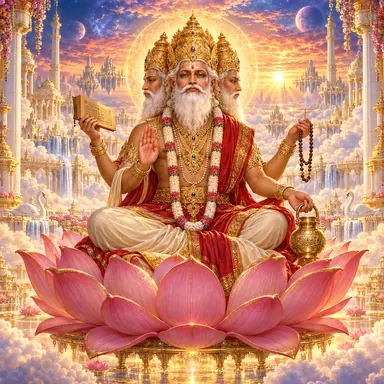
The fifth head of Brahma is severed.
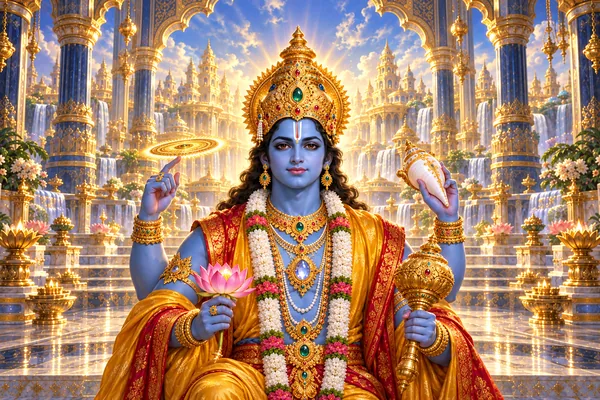
Vishnu honors the wandering Bhairava.
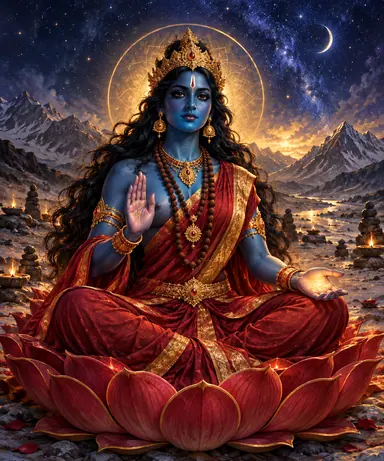
Bhairava expounds Tara’s names in dialogue with the goddess.
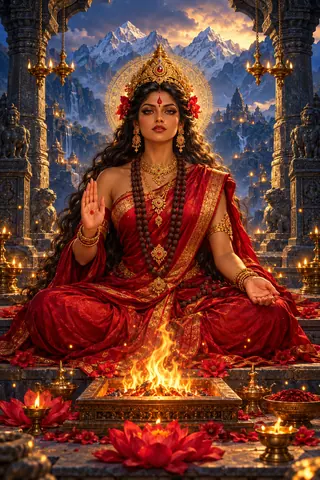
Mahakala Bhairava introduces her thousand-name praise.
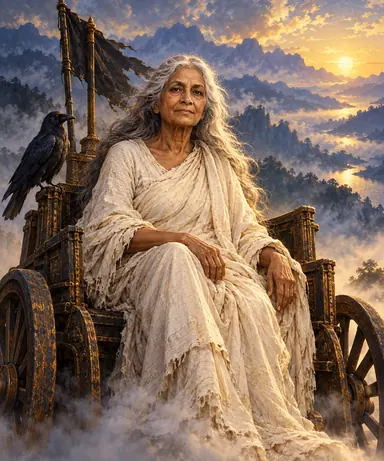
Bhairava answers the request concerning Dhumavati’s names.
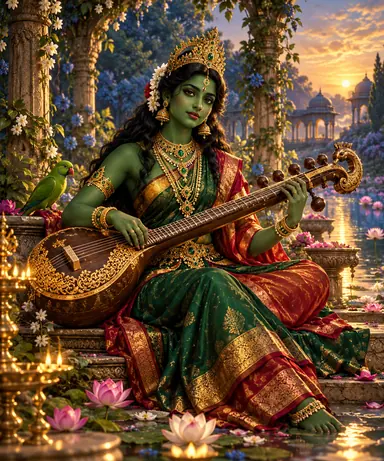
Bhairava expounds Matangi’s praise in the Hridaya.
Bhairava defeats the guardian, and Shiva later returns his body to Vishnu with a declaration of restored life.