
THE LIVING ARCHIVE
About Kartikeya
The Shiva Purana presents Kartikeya’s birth through a chain of divine transmission rather than an ordinary household birth. Shiva’s fiery generative power is carried through Agni and further divine and natural recipients before the child appears. His connection with fire, extraordinary brilliance and more than one nurturing presence belongs to this complex origin. The names Kumara, the youth, and Guha, the hidden one, draw attention to different qualities of the child-warrior.
AT A GLANCE
Identity & Context
- Identity
- Deity
- Form
- Major deity / divine family figure
- Tradition
- Shaiva · Skanda/Murugan · Tamil · Puranic
- Also Known As
- Skanda · Murugan · Subrahmanya · Kumara
- World & Associations
- Celestial armies; regional sacred mountains
Also known as Skanda. Alternative names belong in the profile and search aliases.
Family & Relationships
- Divine ParentShiva
- Divine ParentParvati
Parvati receives and embraces the victorious son.
- Divine ParentParvati
Skanda birth accounts involve additional divine agents.
- ConsortValli
Tamil Murugan traditions.
- ConsortDevasena
Skanda traditions; marriage configuration varies.
- OpponentTarakasura
- OpponentSurapadman
- OpponentSimhamukha
Family Context
These relationships follow the traditions described here. Some details remain uncertain and should not be treated as a single universal genealogy.
THE STORY
Life & Stories
Story Connections
- Defeat of Tarakasura
- Murugan narratives
ROLE & ESSENCE
Attributes & Significance
Youth here means the arrival of a capacity the older order lacks. Kartikeya’s power is connected with lineage, fosterage, disciplined combat and an appointed purpose. His six faces also make visible the possibility of responding to several loving relationships at once rather than resolving their claims by exclusion.
Role
Divine warrior and leader of celestial forces; Skanda, Kartikeya, and Murugan identities vary regionally.
Attributes & Abilities
- Divine combat
- Leadership
Objects & Emblems
- Vel / spear
TRADITION & MEANING
Traditions & Interpretations
The warrior’s spear and the mother’s lap need not be competing images. The narrative deliberately returns from the public crisis to the affectionate household, allowing strength and dependence to remain parts of one identity.
Skanda, Kumara, Kartikeya and Guha name the same warrior in this Puranic account. Murugan and Subrahmanya belong to wider devotional traditions with their own stories, poetry and local forms. Birth sequences, family relationships and images vary within those traditions rather than supplying one uniform chronology.
From the Sacred Texts
Explore the sacred texts behind these stories in the Suvarnaveda library.
Artwork & Archive Notes
Visual Identity
Where artwork is shown, it is a contemporary illustrative interpretation. This reference record does not establish a fixed portrait, colour scheme, or complete set of iconographic attributes for this figure.
Tradition Note
The accounts belong to Shaiva / Skanda/Murugan / Tamil / Puranic. Genealogy, theological interpretation, and portrayal can differ between texts and regional retellings.
FOLLOW THE THREADS
Connected Cards
20 connected profiles. Every path leads to an original record.
Weapons2

Murugan/Skanda is the bearer of the Vel in the local tradition and is called spear bearer in the Amarakosha.
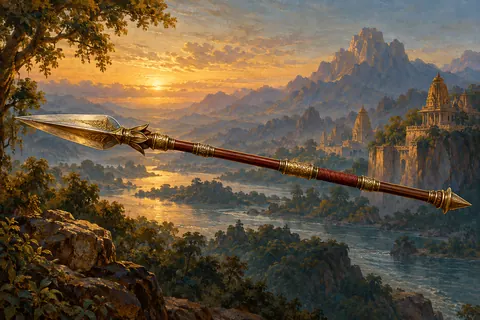
Skanda/Kartikeya is called Shaktidhara, the bearer of the shakti.
The Sacred Library2
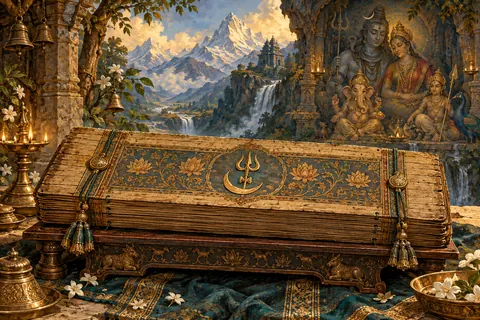

Skanda teaches Savarni in the Vasudeva-mahatmya.
Realms & Cosmic Worlds2
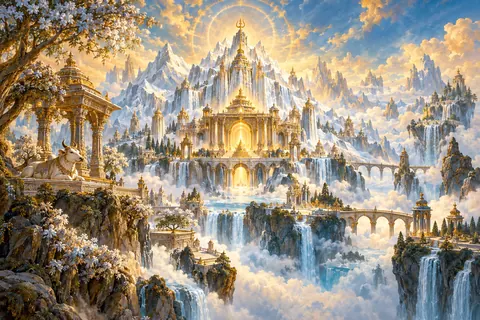

Kartikeya is called Guha in the account of the mountain’s disturbance.
Characters & Cosmic Entities13
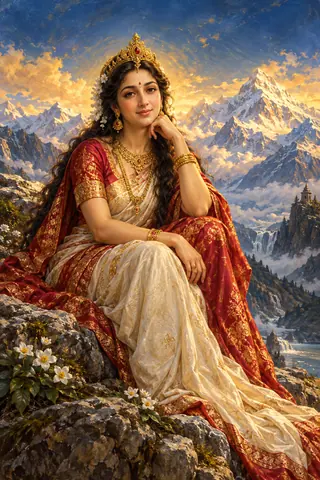
Welcomes her son at Kailasa after his victory.
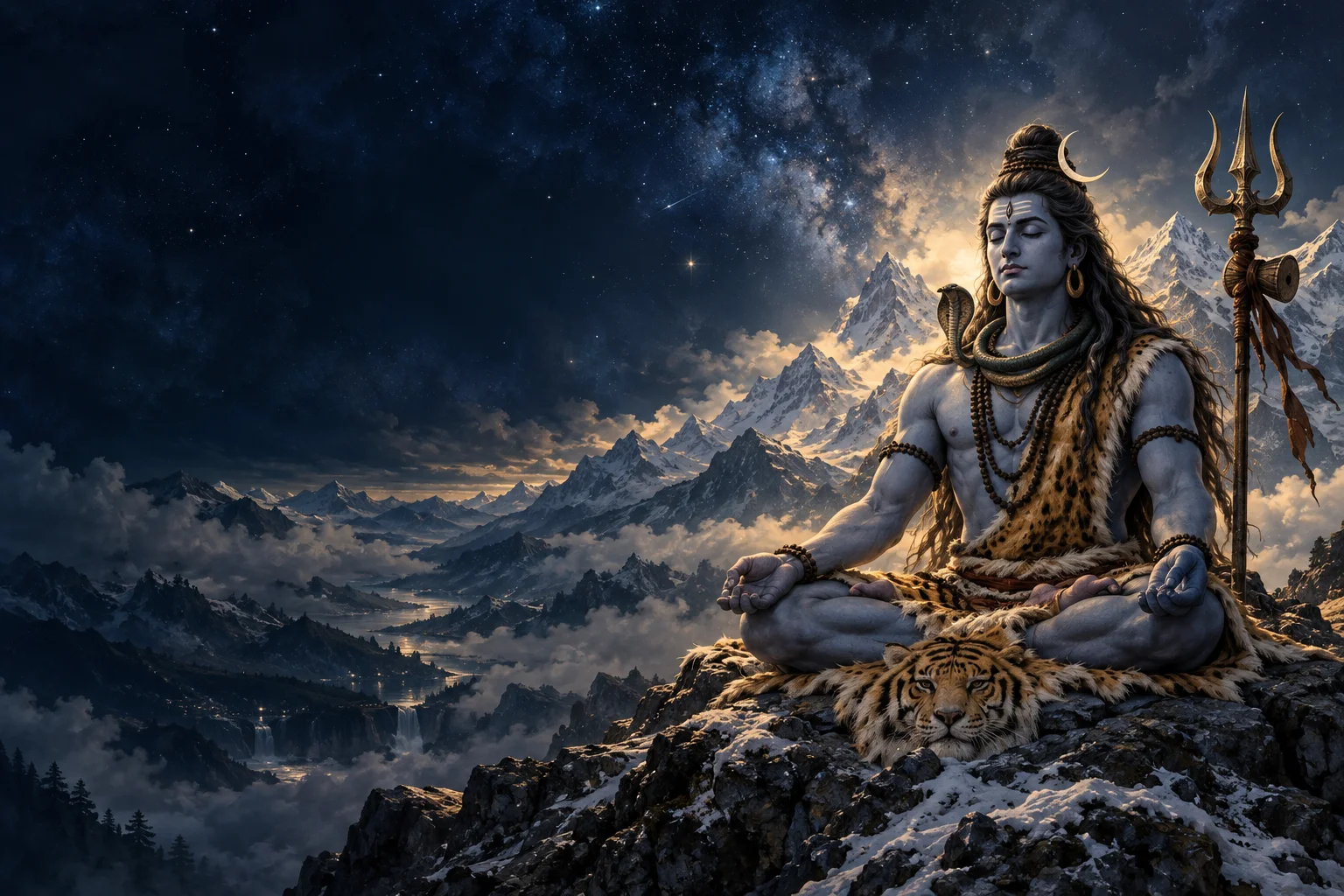
Kartikeya is the son whose coming answers the divine need.

Valli marries Murugan, identified with Kartikeya in the Tamil tradition followed here.

Skanda marries Devasena after accepting command of the celestial army.
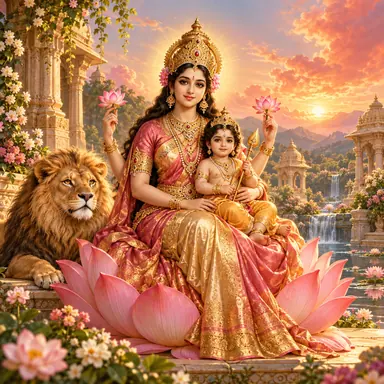
Skandamata’s name and image emphasize her motherhood of Skanda.
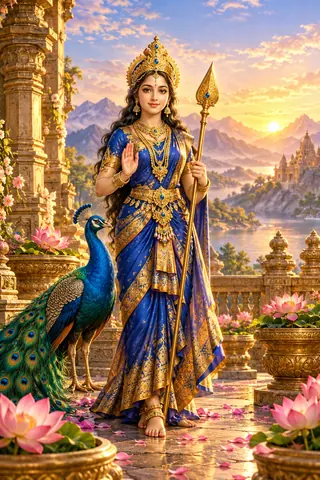
Kaumari expresses the deity’s shakti in the Matrika setting.

The hymn calls her the mother of Shanmukha.
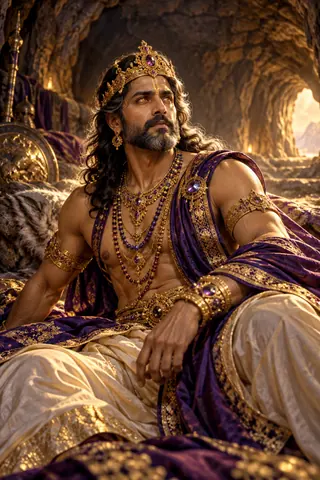
Kartikeya’s command allows Muchukunda to retire from guarding the gods.

Swaha participates in Skanda’s extraordinary birth and speaks to him as her son.
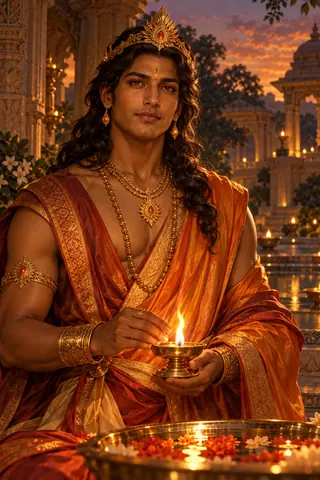
The Vasu genealogy proceeds to the reed-born son of Agni, Kartikeya.

Murugan defeats and transforms him in the Tamil Kanta Puranam.

Murugan kills him with the vajra in the Tamil poem.
Earthly Sacred Locations1
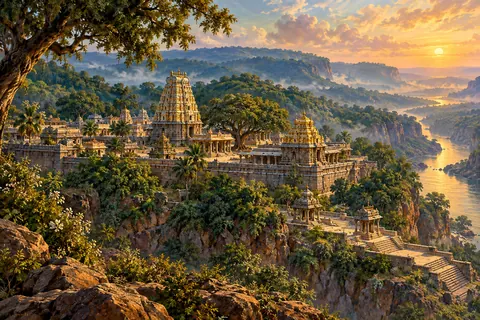
Kumara’s departure and the parents’ continuing affection frame the Mallikarjuna account.