THE LIVING ARCHIVE
About Khandavaprastha / Khandava Forest
The names describe related parts of the landscape. Khandavaprastha is the allotted territory and the setting of the new city; Khandava is the inhabited forest at the centre of the burning episode. The partition, the city's construction and the fire are separate events within this history.
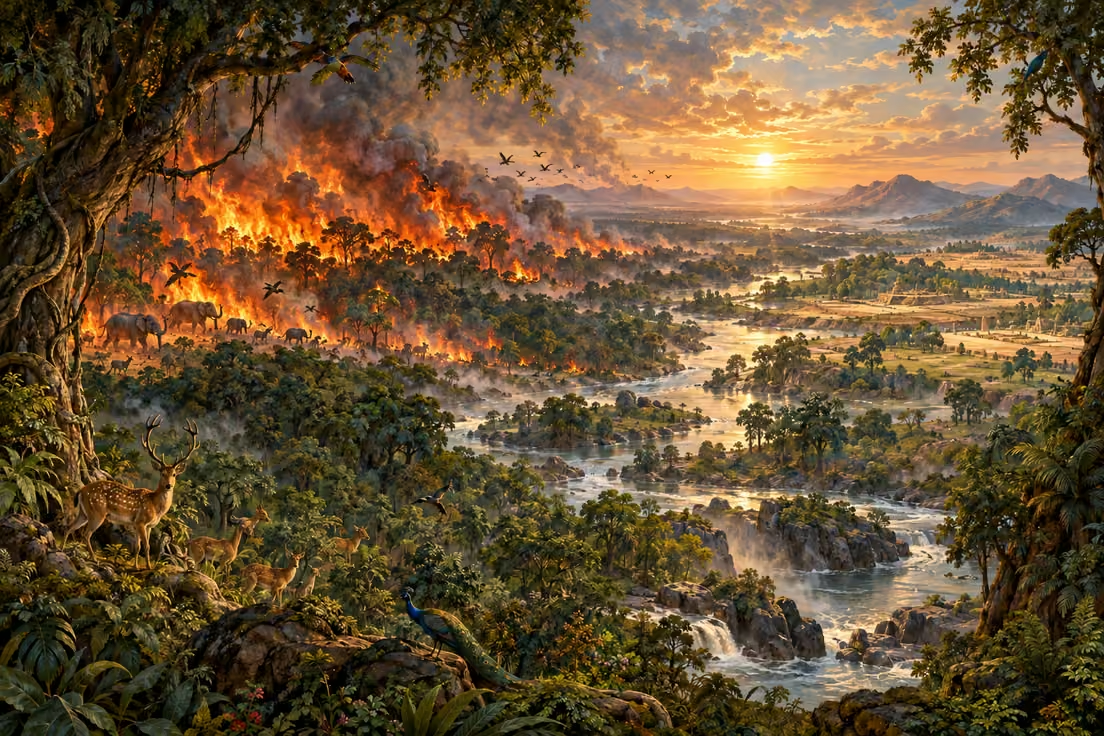
The account of the capital emphasizes selecting land, measuring a site, performing ceremonies and constructing defences. The fire account describes animals, birds, parents, young and bodies of water within the forest. Reading both descriptions preserves the difference between a new royal settlement and the living places affected by the blaze.
More About Khandavaprastha / Khandava Forest
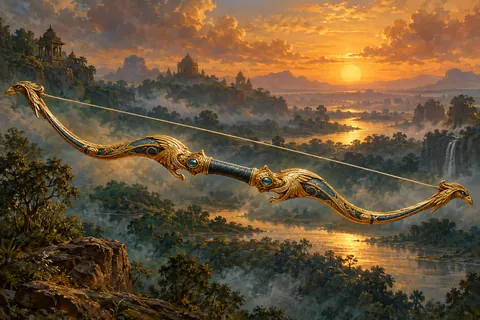
The Khandava forest episode connects Agni, Krishna, Arjuna, Gandiva and the formation of Indraprastha.
AT A GLANCE
Identity & Context
- Identity
- Location
- Form
- Mahabharata geography
- Tradition
- Hindu religious traditions
- Also Known As
- Khandavaprastha · Khandava Forest
THE STORY
Origins & Stories
ROLE & ESSENCE
Attributes & Significance
This landscape connects the Pandavas' establishment as rulers with a destructive episode involving the gods and the forest's inhabitants. The city account celebrates a new centre of settlement, while the fire account describes lives already present in Khandava. The relationship between the places does not make the burning merely an account of empty land being prepared for buildings.
Ancient / Sacred Name
Khandavaprastha / Khandava Forest
Modern Identification
Delhi–Yamuna region, India
Identification Confidence
Textual geography
Country / Region
Delhi–Yamuna region, India
Associated Figures
Sacred Significance & Narrative
The Khandava forest episode connects Agni, Krishna, Arjuna, Gandiva and the formation of Indraprastha.
Events / Battles
See the linked narrative records.
Historical / Archaeological Evidence
This overview does not identify a site-specific excavation report. A living physical place does not prove every event traditionally associated with it.
Textual Geography Notes
Ancient regions, literary geography and modern pilgrimage identifications are distinguished.
Tradition Notes
Names and accounts can vary by recension, region and commentary. This entry distinguishes attested details from identifications still requiring a passage-level source.
Archive Classification Notes
Original archive annotations are retained here. The current playable classification is shown in the side panel.
- Tradition Dependence
- High — compare the identified textual or regional account.
- Kingdom / Dynasty
- Not established in the passage; no additional claim is made here.
TRADITION & MEANING
Traditions & Interpretations
The two descriptions answer different questions. The allotment explains how the Pandavas gain a place to rule, while the burning explains what happens to the forest when Agni's flames are supported by armed guardians and opposed by Indra's rain.
The trapped creatures are part of the account's stated consequences. By describing their attempts to escape and their attachment to their young, the epic gives the burning a cost that remains visible beside the warriors' power.
The epic's extraordinary geography and scale are distinct from claims about a single excavated location or a measurable historical forest fire. Its account also does not make every event in Khandavaprastha part of one act of city construction.
Names and accounts can vary by recension, region and commentary. This entry distinguishes attested details from identifications still requiring a passage-level source.
From the Sacred Texts
Explore the sacred texts behind these stories in the Suvarnaveda library.
FOLLOW THE THREADS
Connected Cards
5 connected profiles. Every path leads to an original record.
Characters & Cosmic Entities3

Agni burns Khandava.
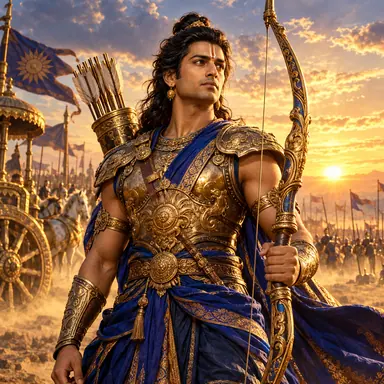
Arjuna prevents creatures from escaping the fire.

Earthly Sacred Locations1
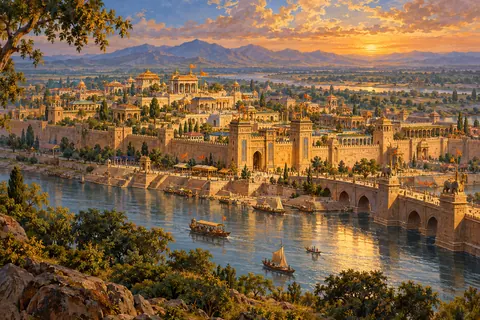
The city develops in the allotted Khandavaprastha region.