 Cosmic principle
Vedantic / Vedic / Philosophical
Brahman
Brahman — Ultimate reality underlying existence in Vedantic discourse; distinct from the creator Brahma.
#1 / 700
THE INTERCONNECTED ARCHIVE
One discovery leads to another. Find a deity, follow a story, or explore a collection.
Cosmic principleVedantic / Vedic / Philosophical
Brahman — Ultimate reality underlying existence in Vedantic discourse; distinct from the creator Brahma.
 Cosmic principle
Vedantic / Vedic / Philosophical
Paramatman — Supreme Self or indwelling divine presence; its relation to Brahman and personal deity depends on school.
 Cosmic principle
Vedantic / Vedic / Philosophical
Term for the personal divine or Lord possessing fullness of divine excellences; not a single universally separate person.
 Cosmic principle
Vedic / Samkhya / Vedantic
Cosmic Person in Vedic imagery and conscious principle in Samkhya; distinguish these meanings.
 Cosmic principle
Vedic / Samkhya / Vedantic
Primordial nature or material principle; relationship to divinity and consciousness differs across philosophical schools.
 Cosmic principle
Shakta / Puranic / Tantric
Primordial Shakti understood as the source of divine power, especially in Shakta traditions.
 Cosmic principle
Shakta / Puranic / Tantric
Great divine power or Shakti; frequently overlaps with Adi Shakti and Mahadevi rather than constituting a separate being.
 Cosmic principle
Vedic / Vedantic / Puranic
Golden embryo or germ associated with cosmic emergence; later identifications vary.
 Cosmic principle
Vedantic / Yoga / Theistic philosophical
Lord or governing divine principle; identity and status vary by philosophical and devotional tradition.
 Cosmic principle
Vedantic / Vedic / Philosophical
Cosmic time, sometimes personified; distinguish time as principle from particular divine forms.
 Cosmic principle
Vedantic / Vedic / Philosophical
Power of manifestation or appearance; meanings include divine potency and the conditions of misapprehension.
 Cosmic principle
Vedantic / Vedic / Philosophical
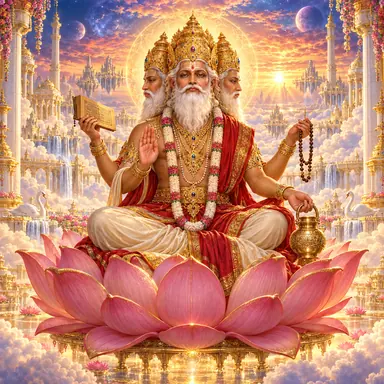
Cosmic and ethical order; distinct uses include a principle and a personified deity.
 Deity
Deity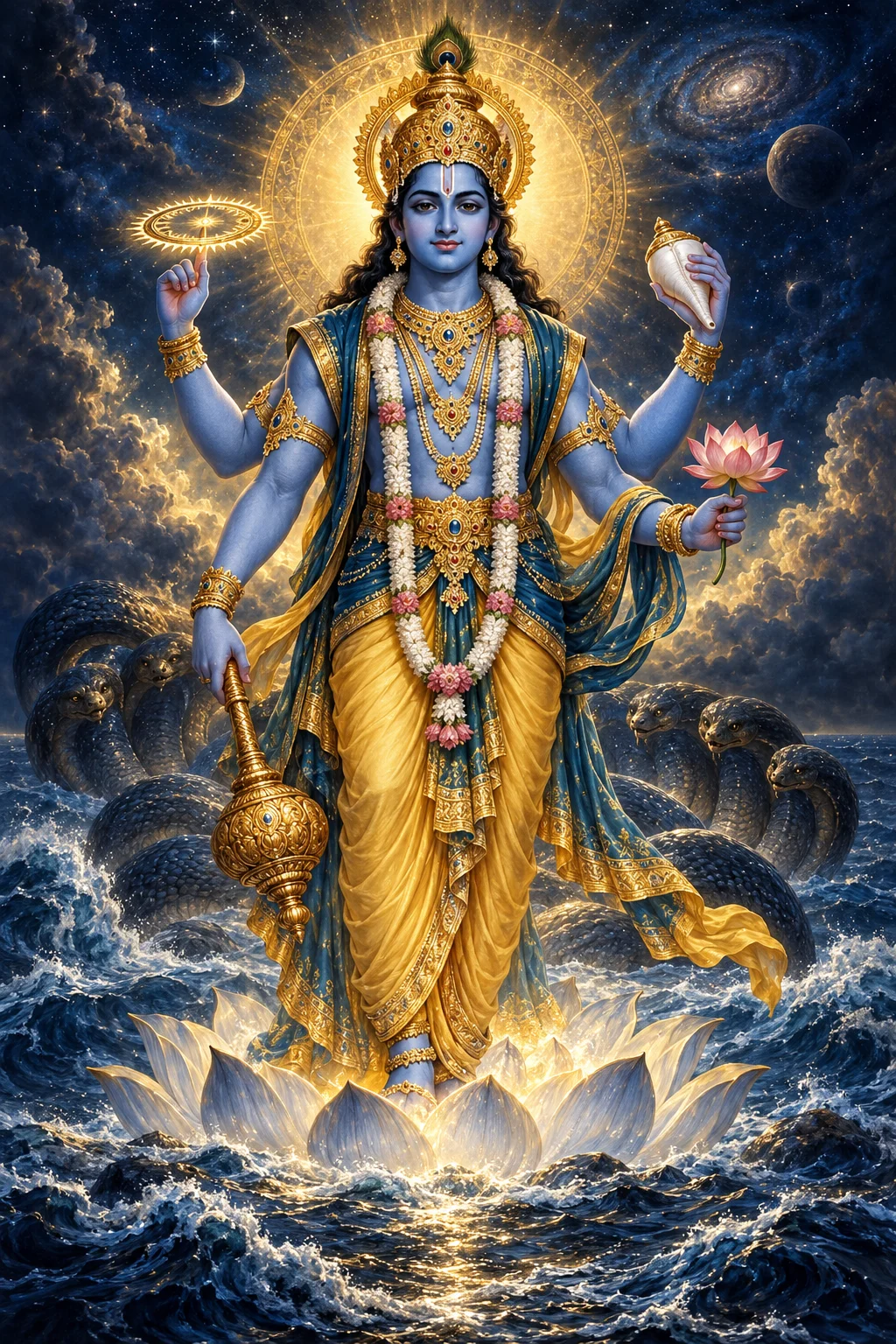 Deity
DeityVaishnava / Puranic
Vishnu is central to Vaishnava traditions. In the Vishnu Purana, he is presented as the divine ground of the universe and its preservation.
 Deity
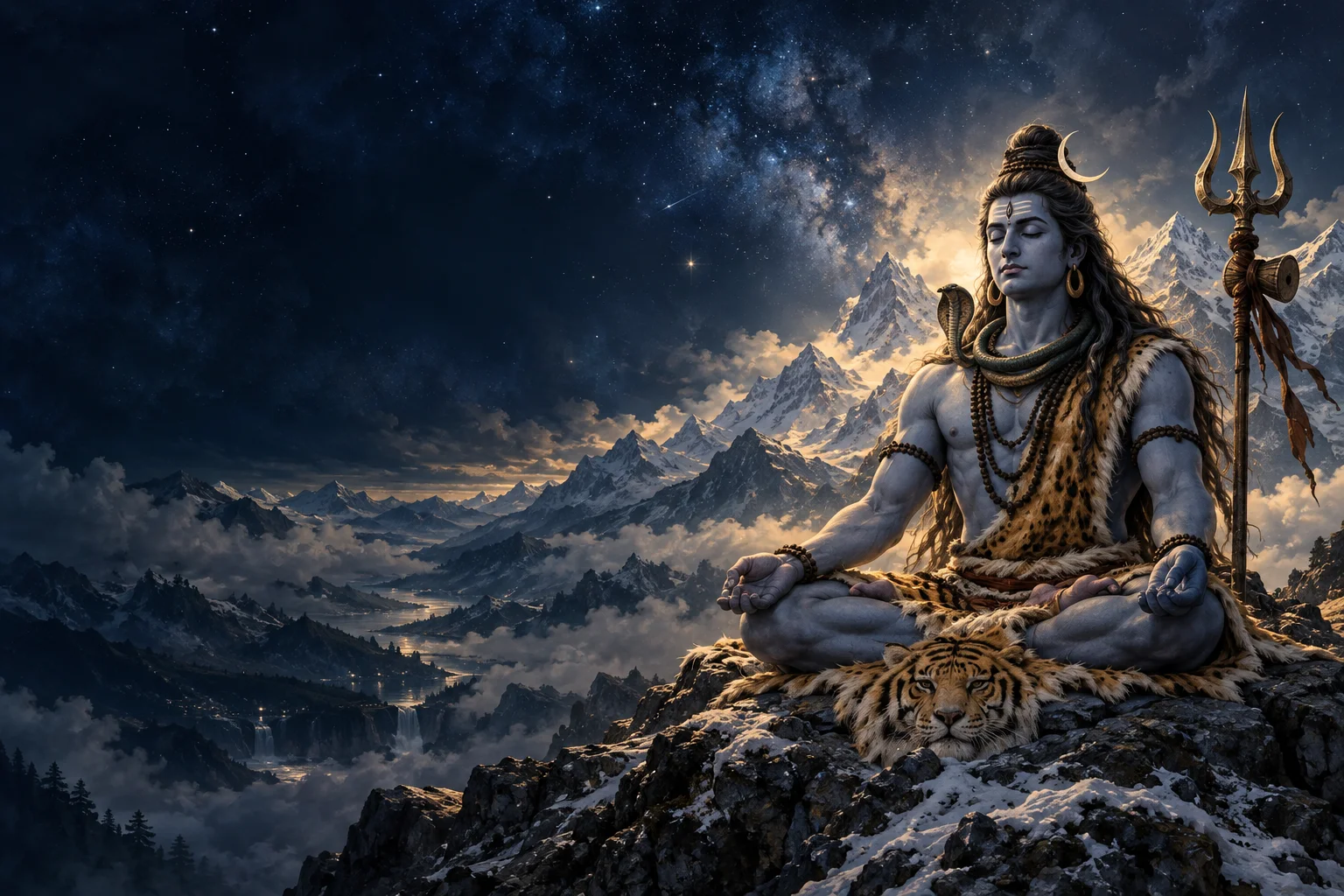
DeityShaiva / Puranic
Shiva is a central deity of Hindu traditions, associated with asceticism, transformation, and divine power. Shaiva traditions understand him as supreme divinity.
 Goddess
Shakta / Puranic / Tantric
Great Goddess encompassing or identified with many divine feminine forms; supreme in Shakta traditions.
 Deity
DeityVaishnava / Puranic
Narayana — Supreme Narayana of Vaishnava theology; closely identified with Vishnu.
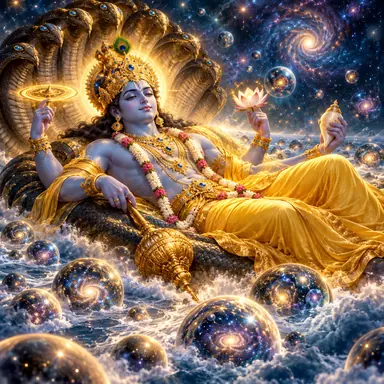 Deity
DeityVaishnava / Puranic
Cosmic Vishnu form, particularly elaborated in some Vaishnava cosmologies.
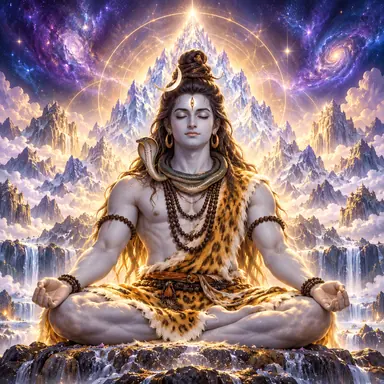 Deity
DeityShaiva / Puranic
Sadashiva — Supreme or transcendent Shiva form; theological descriptions differ among Shaiva systems.
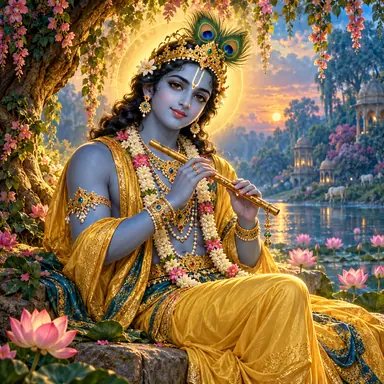 Deity
DeityVaishnava / Puranic
Krishna is the divine teacher in the Bhagavad Gita, where his dialogue with Arjuna explores action, devotion, knowledge, and duty.
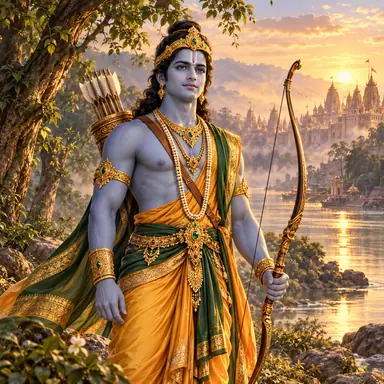 Deity
Deity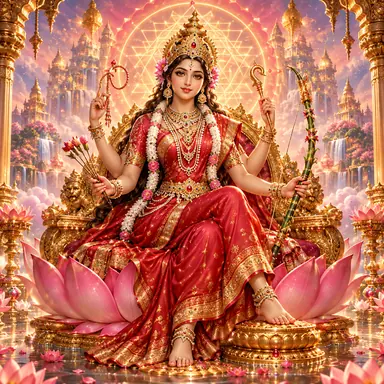 Deity
DeityShakta / Puranic / Tantric
Lalita Tripurasundari — Supreme goddess of Sri Vidya, associated with beauty, consciousness, and the Sri Chakra.
 Goddess
Shakta / Puranic / Tantric
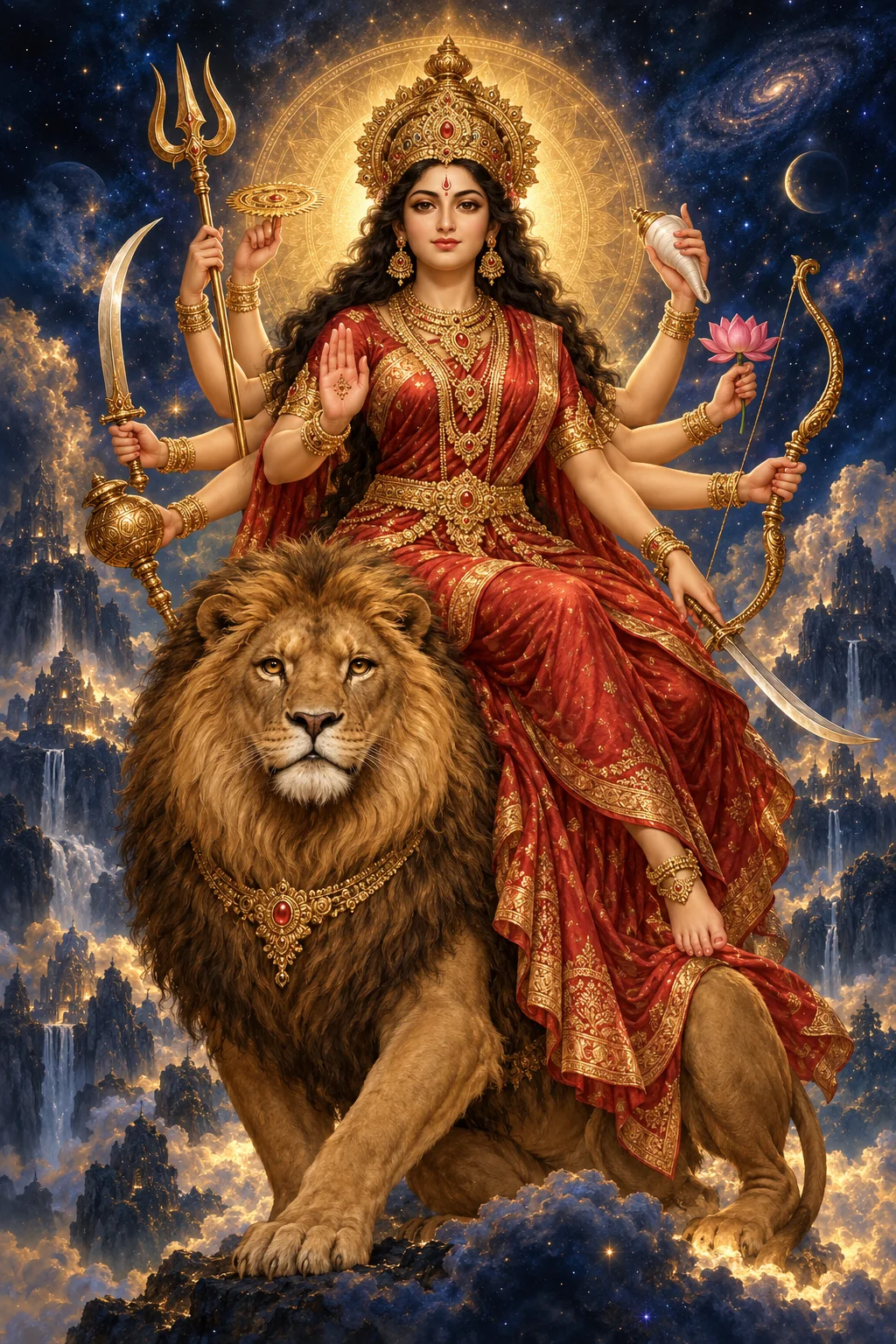
Durga is a powerful manifestation of the Goddess. The Devi Mahatmya tells of her conflict with Mahishasura and celebrates divine feminine power.
 Goddess
Shakta / Puranic / Tantric
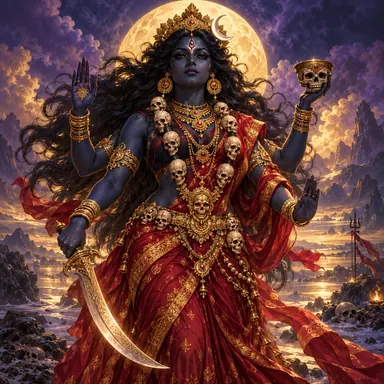
Fierce goddess of time, transformation, and liberation; identities overlap with other goddess forms.
Master Power Ranking is an editorial classification. Traditions and texts may offer different accounts of divine power.