01A Forest Becomes a Sacred City
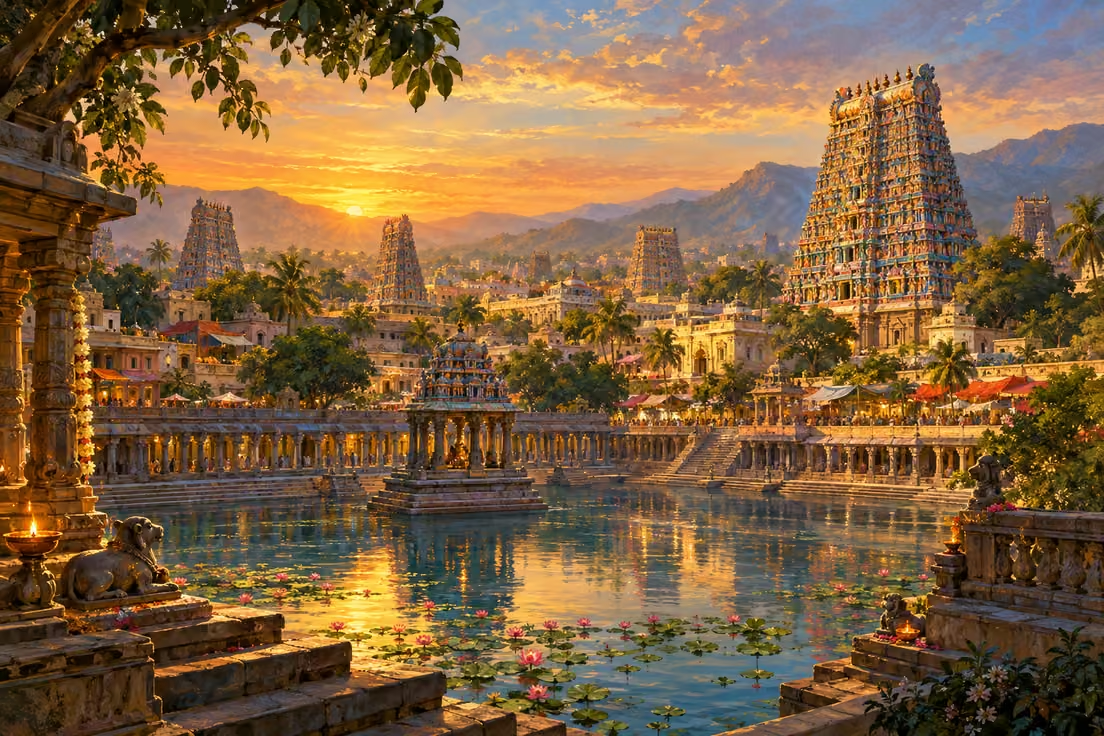
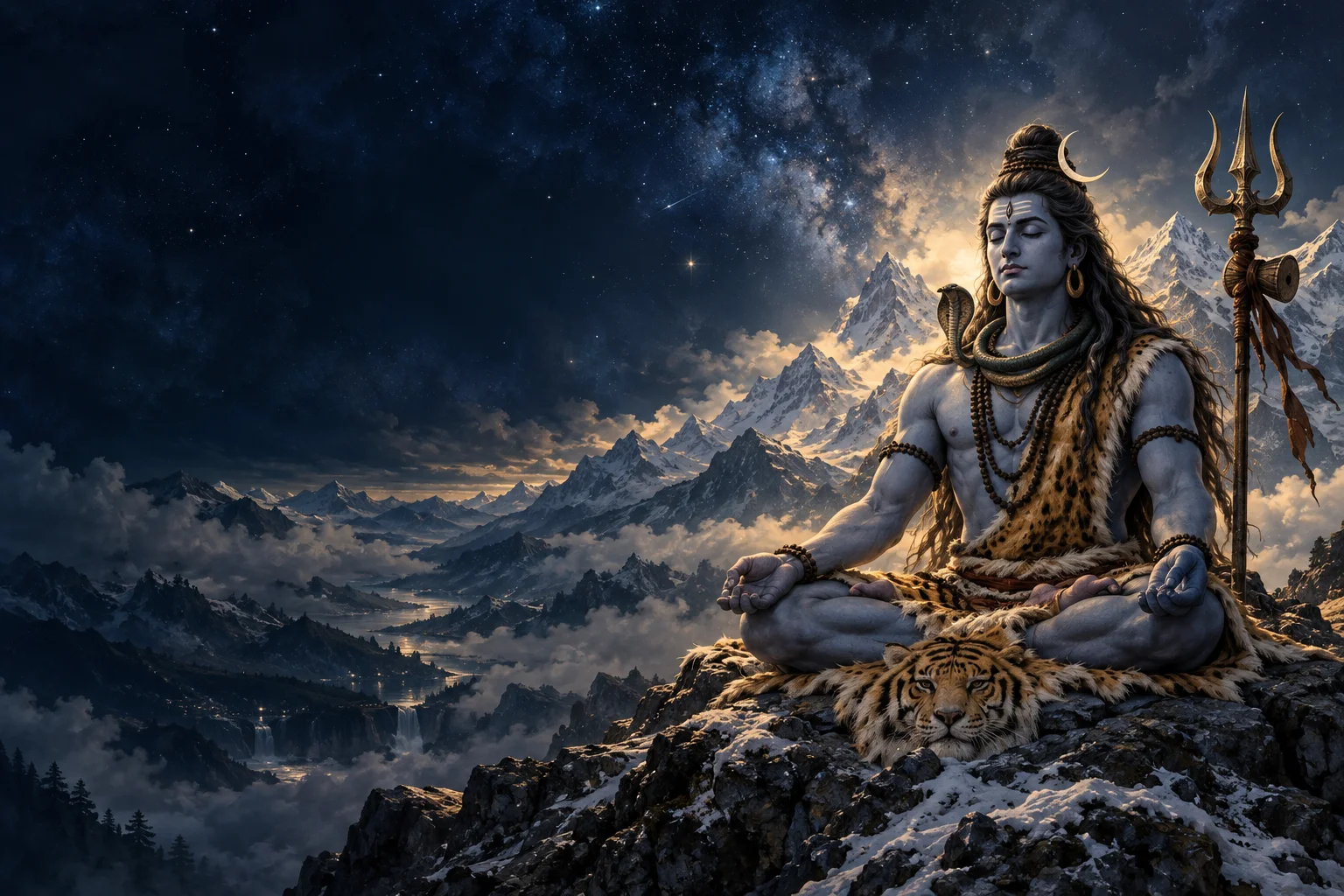
In Madurai’s foundation legend, the site begins as Kadambavanam, a forest of kadamba trees. A man named Dhananjaya sees Indra worshipping a self-manifested linga, the sacred form of Shiva, and tells King Kulasekara Pandya. The king establishes a temple around it and plans a settlement with the shrine at its centre. Shiva then blesses the new city with drops of nectar from his hair. The association with sweetness explains the name Madurai within the sacred account; it is a story of divine foundation rather than a dated record of municipal construction.
02The Divine Marriage in Public Life
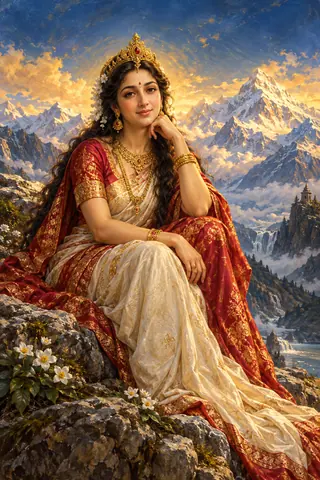
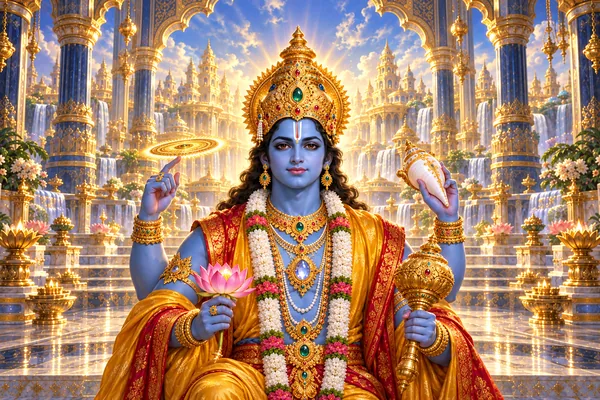
The Chithirai festival celebrates the marriage of Meenakshi and Sundareswarar. Vishnu appears in the regional tradition as Alagar, travelling to the wedding on a golden horse. Other observances remember different aspects of the divine couple: a cradle festival carries them to a mirror chamber, while Avanimoolam recalls Sundareswarar’s kingship and the acts through which Shiva protects the city. These performances keep local sacred stories present in the calendar instead of confining them to written narrative.
03A Temple Shaped Across Generations
The surviving complex reflects repeated building and expansion, including major Nayak contributions. Its towered entrances lead toward the two shrines through sculpture-filled halls and corridors. The Ayiramkaal Mandapam, traditionally called the Hall of a Thousand Pillars, is especially associated with its elaborate carved supports. The architectural scale expresses the long relationship between worship, royal patronage and civic life.