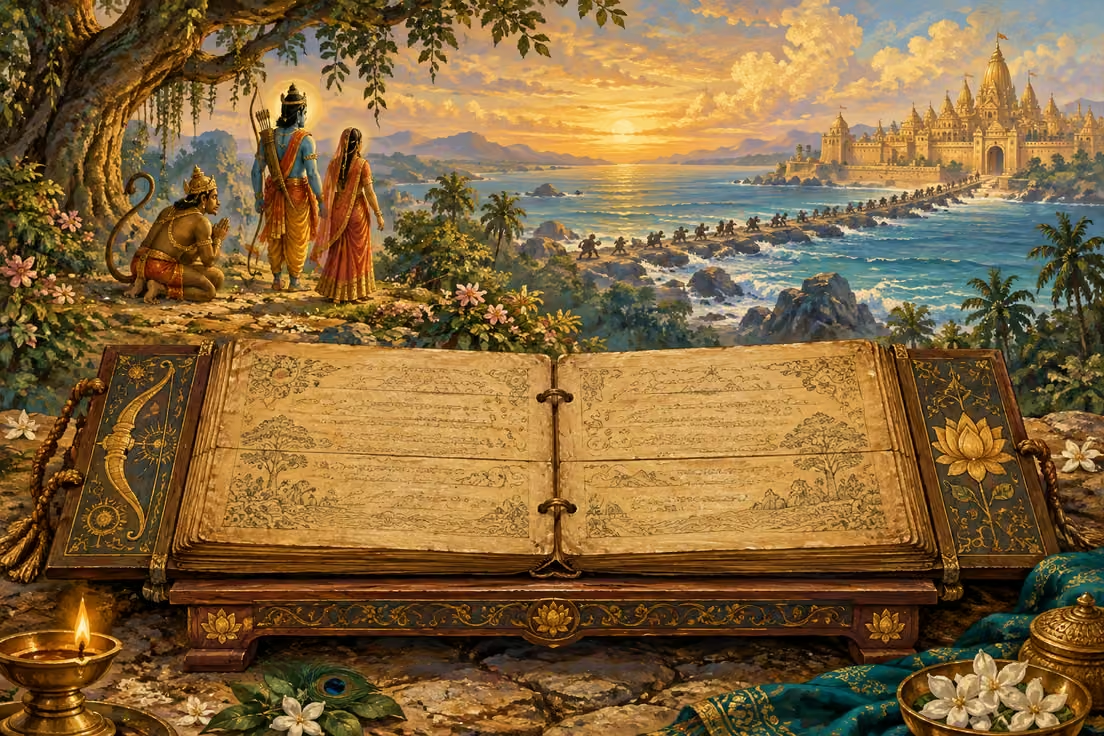
THE SACRED LIBRARY
About Ramayana
The Valmiki Ramayana opens by asking what kind of person can unite virtue, strength, gratitude, truthfulness, resolve and care for others. Narada answers by describing Rama and summarizing his life. The hero is introduced through a demanding ethical inquiry before the narrative expands into royal politics, forest journeys, abduction, friendship and war.
The Bala Kanda’s account of the poem names twenty-four thousand verses, six books and a concluding Uttara portion. The story’s traditional scale stands beside the variety of forms in which it has been preserved. The text also represents itself as something learned and performed. Valmiki teaches it to Kusha and Lava, whose recitation brings Rama’s own history before him.
AT A GLANCE
Identity & Context
- Identity
- Text
- Form
- Itihasa
- Tradition
- Hindu religious traditions
INSIDE THE TEXT
Stories & Teachings
ROLE & ESSENCE
Themes & Meaning
The Ramayana follows the effects of promises and loyalties on particular people. Exile separates the royal household, Sita’s loss leads to a search and alliances, and the return requires the help of many companions. Its origin and performance stories also explain how those events become a poem: Narada tells Valmiki, Brahma commissions him, and Kusha and Lava learn and sing the work.
Library Category
Form / Textual Family
Sanskrit epic
Traditional Attribution
Traditionally attributed to Valmiki.
Subject & Teachings
Valmiki’s epic follows Rama, Sita, Lakshmana and Hanuman through exile, the abduction of Sita, the war in Lanka and the return to Ayodhya.
Structure
Seven kandas in the received text; textual layers and recensions differ.
Textual Relationships
Historical Context
Composition, transmission and redaction must be distinguished; no unsupported exact date is assigned.
Reading Notes
Read the Sanskrit with an identified translation. Commentary is presented by its own school, not as the only interpretation.
Tradition Notes
Names and accounts can vary by recension, region and commentary. This entry distinguishes attested details from identifications still requiring a passage-level source.
Archive Classification Notes
Original archive annotations are retained here. The current playable classification is shown in the side panel.
- Tradition Dependence
- High — compare the identified textual or regional account.
TRADITION & MEANING
Traditions & Interpretations
The Ramayana has a long life in different languages and devotional traditions. Retellings bring different emphases to Rama, Sita and their companions, while the journey through exile, separation, searching and return remains a powerful narrative thread.
Other Rama traditions develop episodes, interpretations and endings differently from the Valmiki Ramayana. Within the received Valmiki epic, the Uttara Kanda continues events beyond Rama’s return and coronation. Its continuation is distinct from the conclusion of the Lanka war and the restoration at Ayodhya.
Names and accounts can vary by recension, region and commentary. This entry distinguishes attested details from identifications still requiring a passage-level source.
From the Sacred Texts
Explore the sacred texts behind these stories in the Suvarnaveda library.
FOLLOW THE THREADS
Connected Cards
166 connected profiles. Every path leads to an original record.


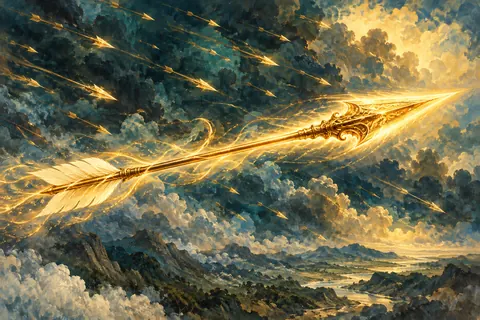
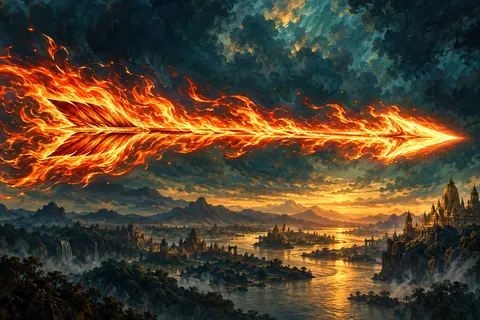

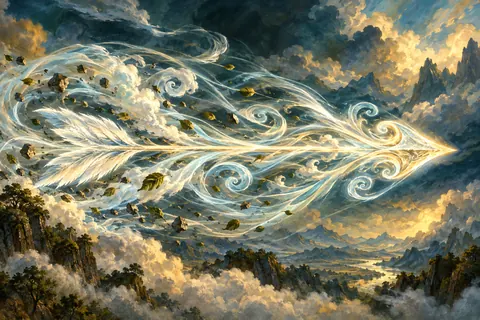


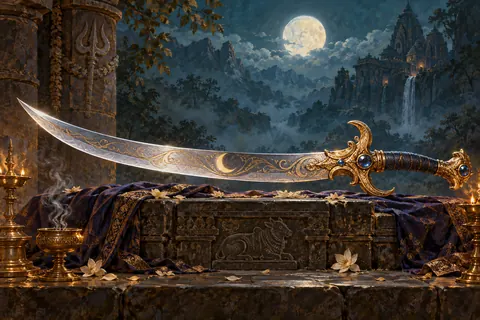
Weapons4
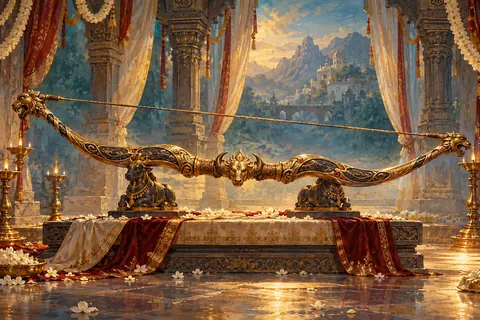


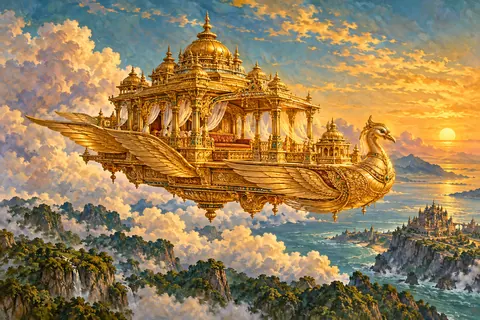
Artifacts, Divine Treasures & Relics1
The Sacred Library1
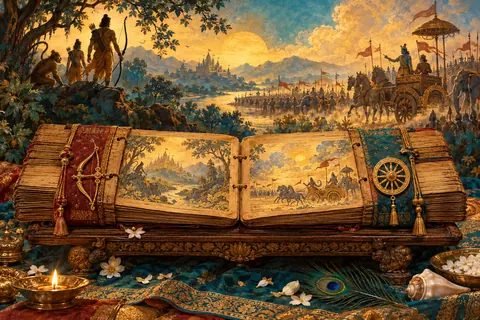
The Ramayana’s poetic beginning connects story with compassion.
Characters & Cosmic Entities115
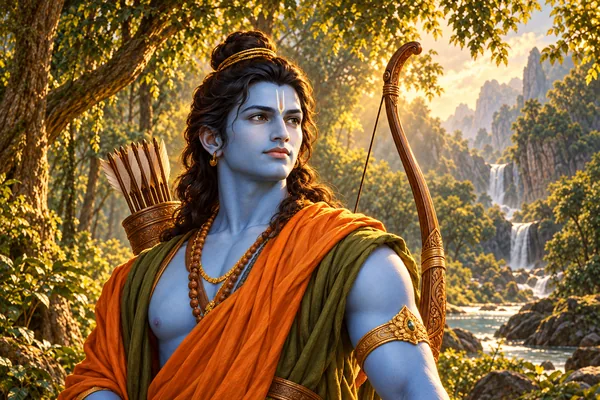
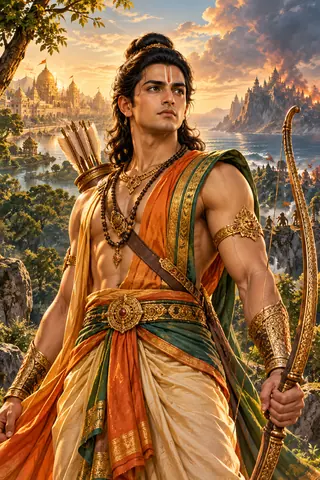
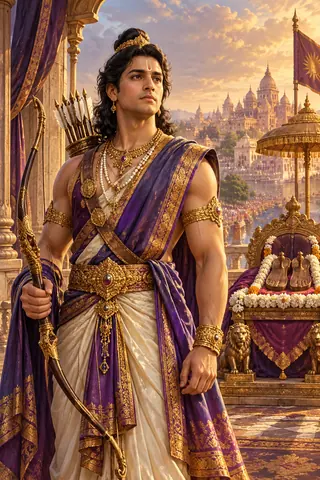
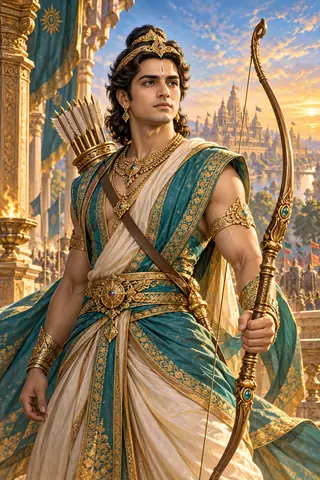
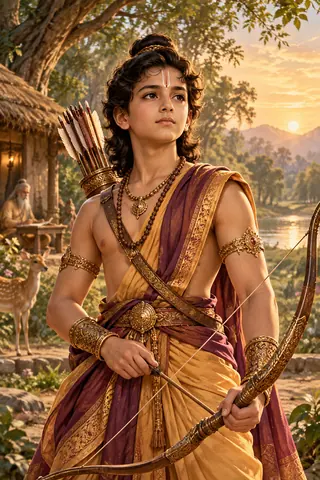
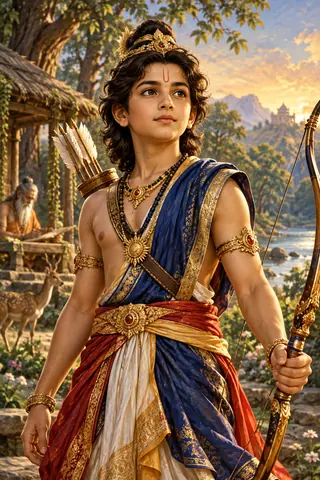
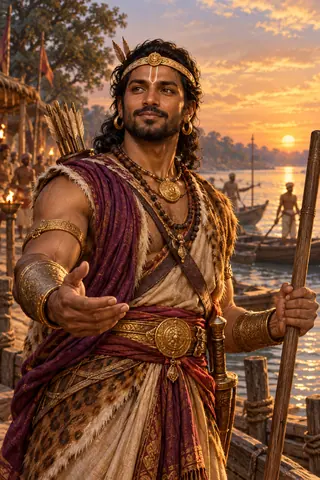
Rama is the central prince and ruler of the epic.
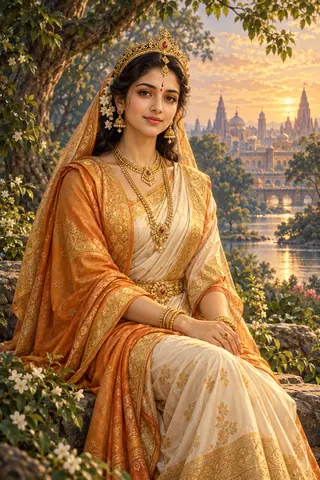
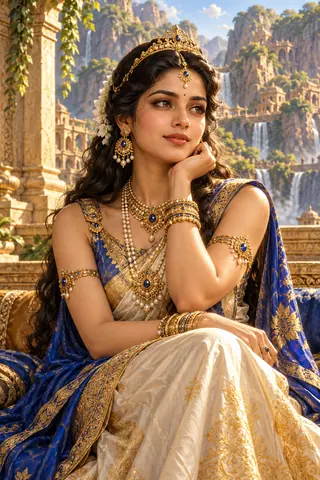
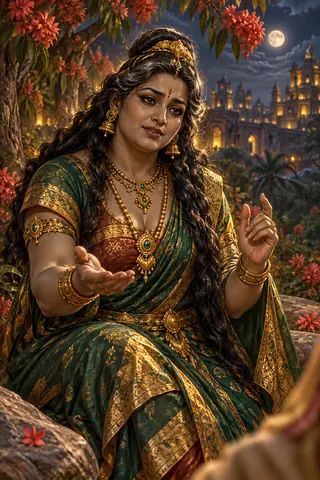
Central heroine whose life is narrated throughout the Ramayana.
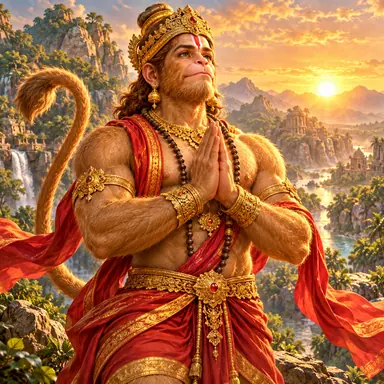
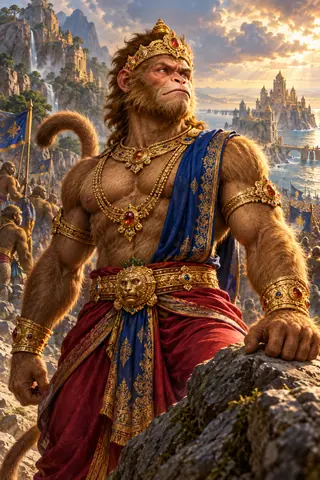
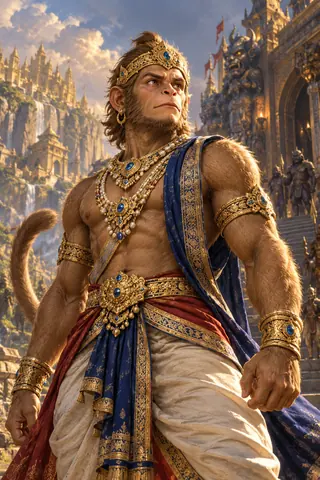
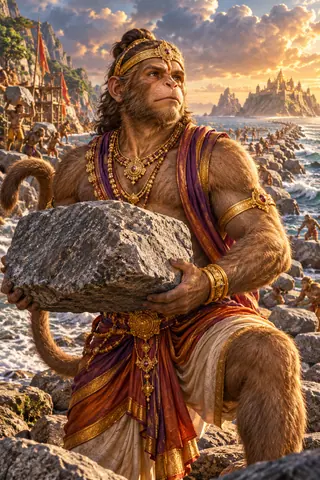
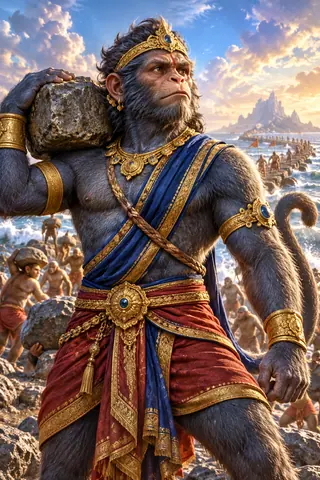
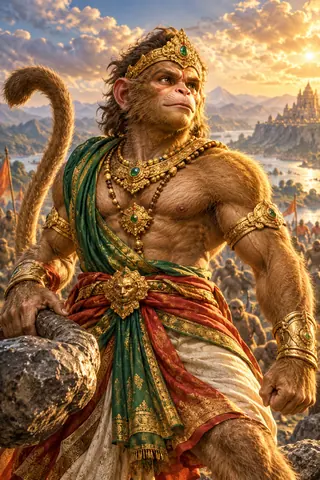
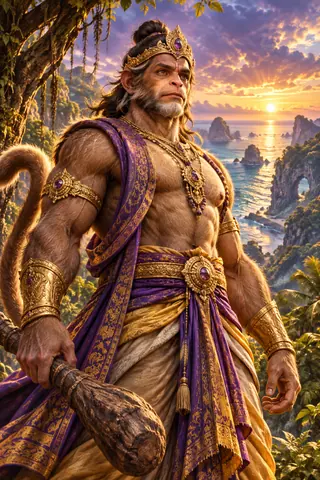
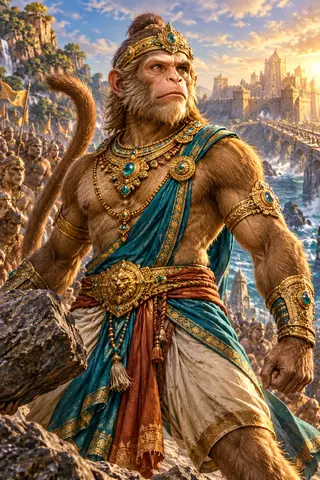
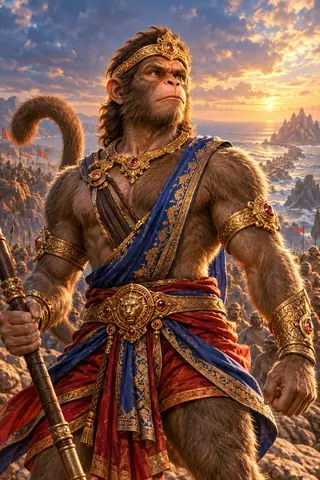
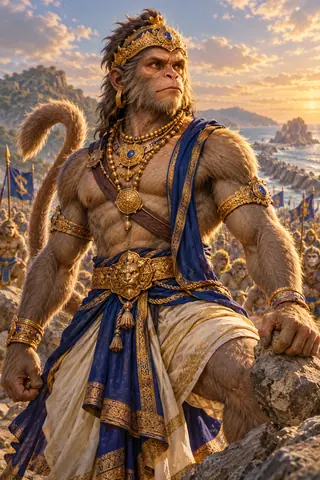
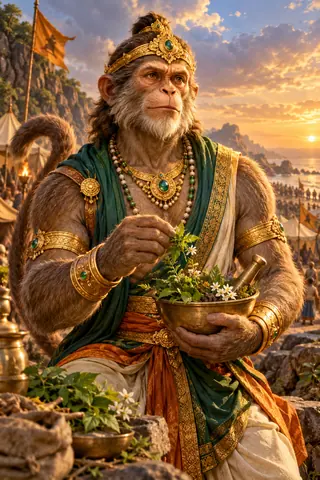
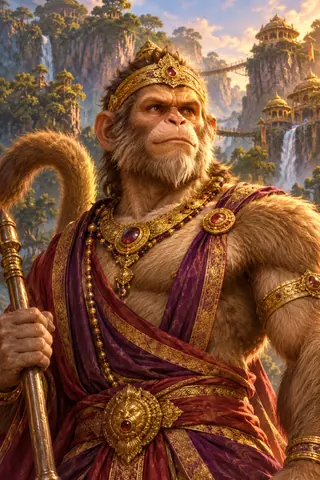
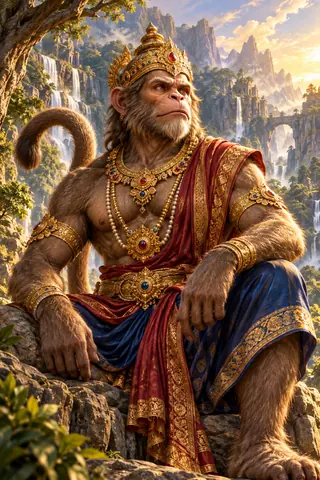
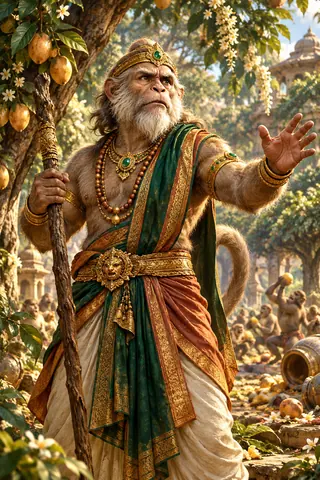
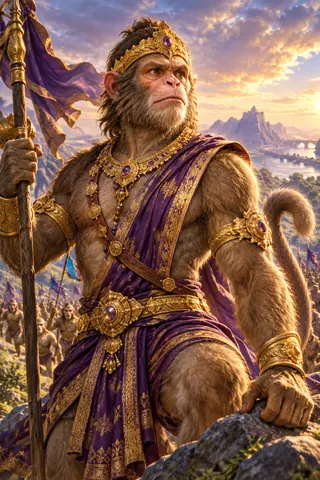
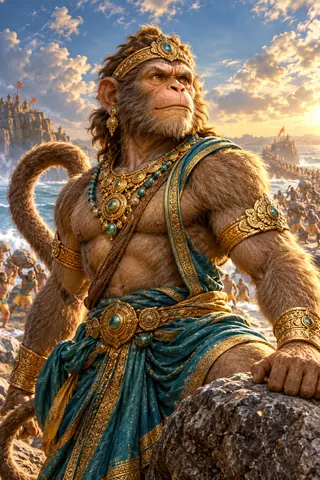
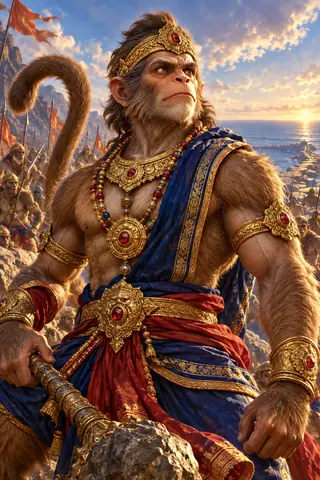
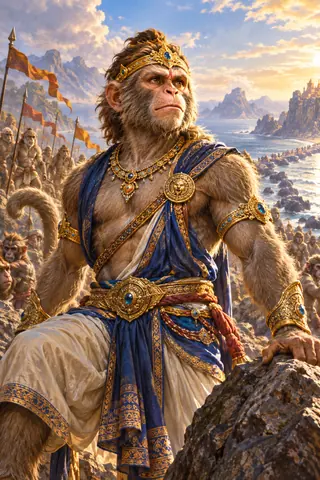
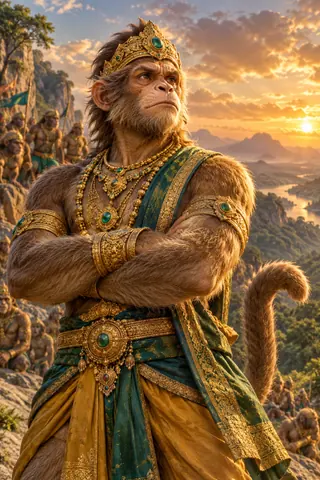
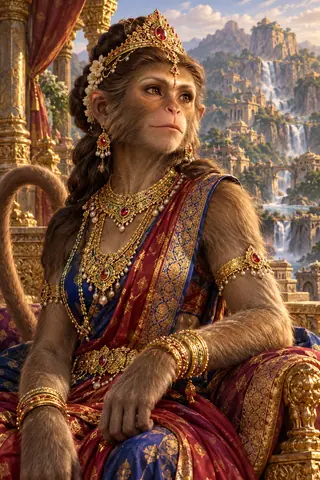
A principal agent in the Ramayana’s search, embassy, and war narratives.
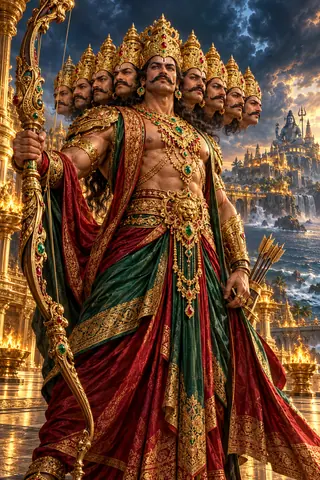

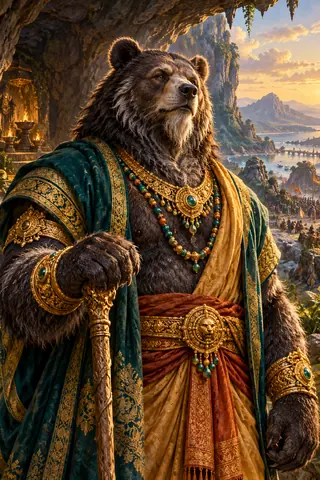
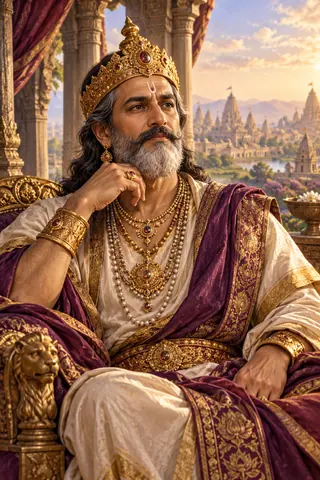
Valmiki is the poem’s named composer and teacher in its own framing narrative.















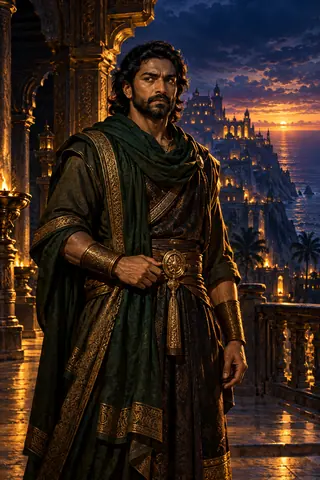
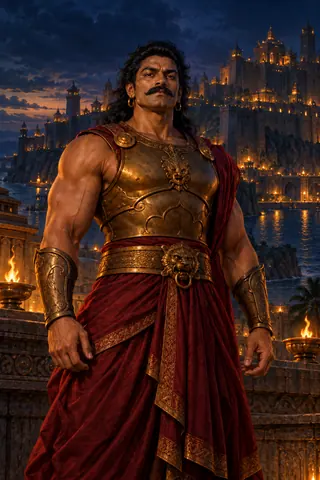
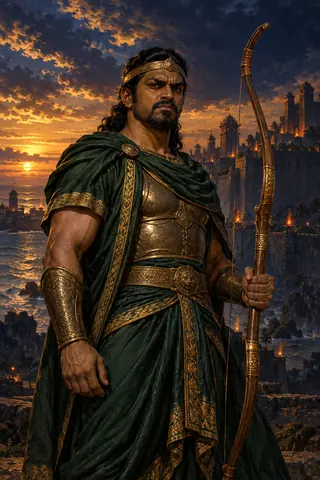
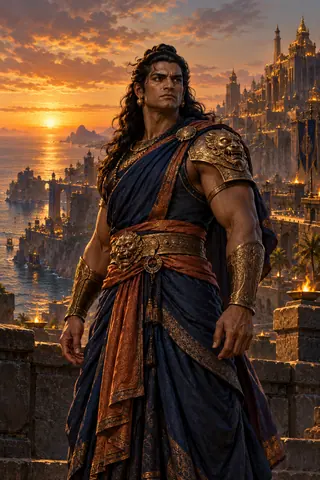

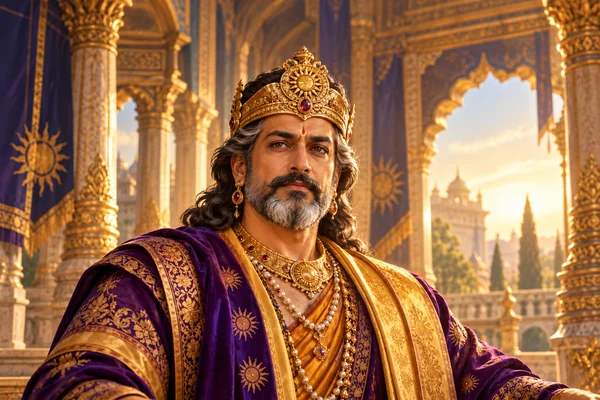
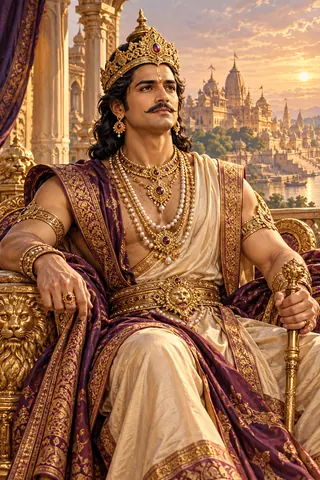
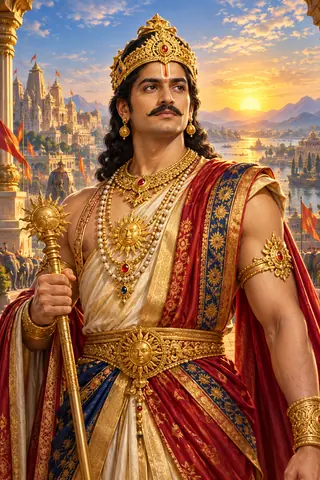
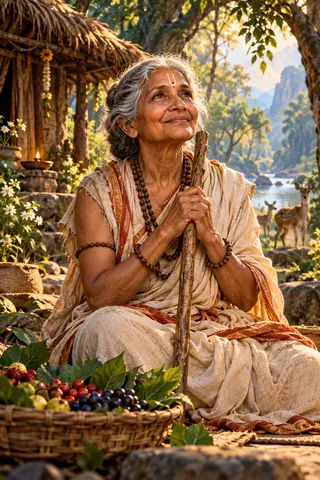


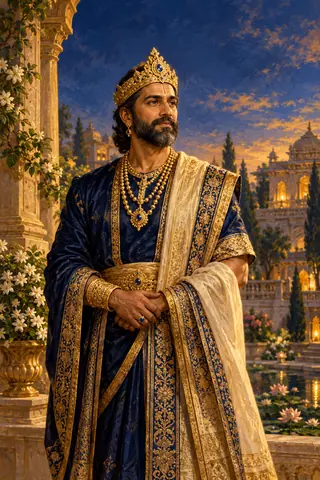
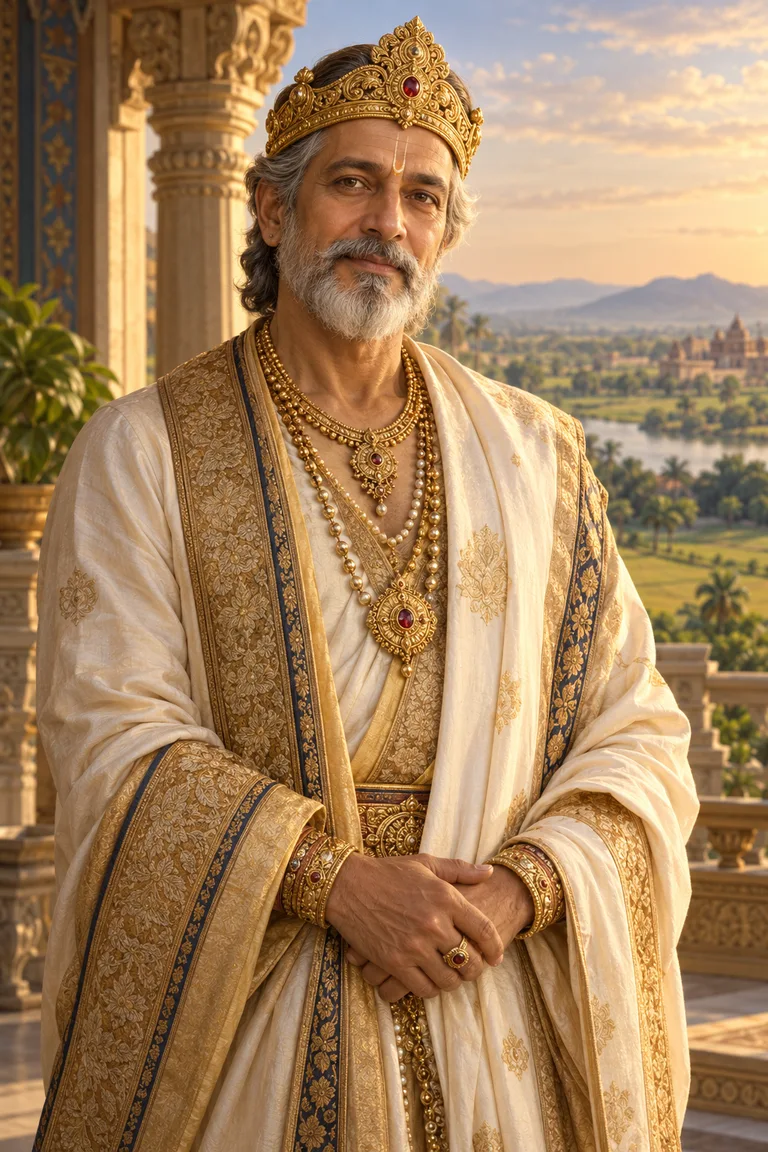
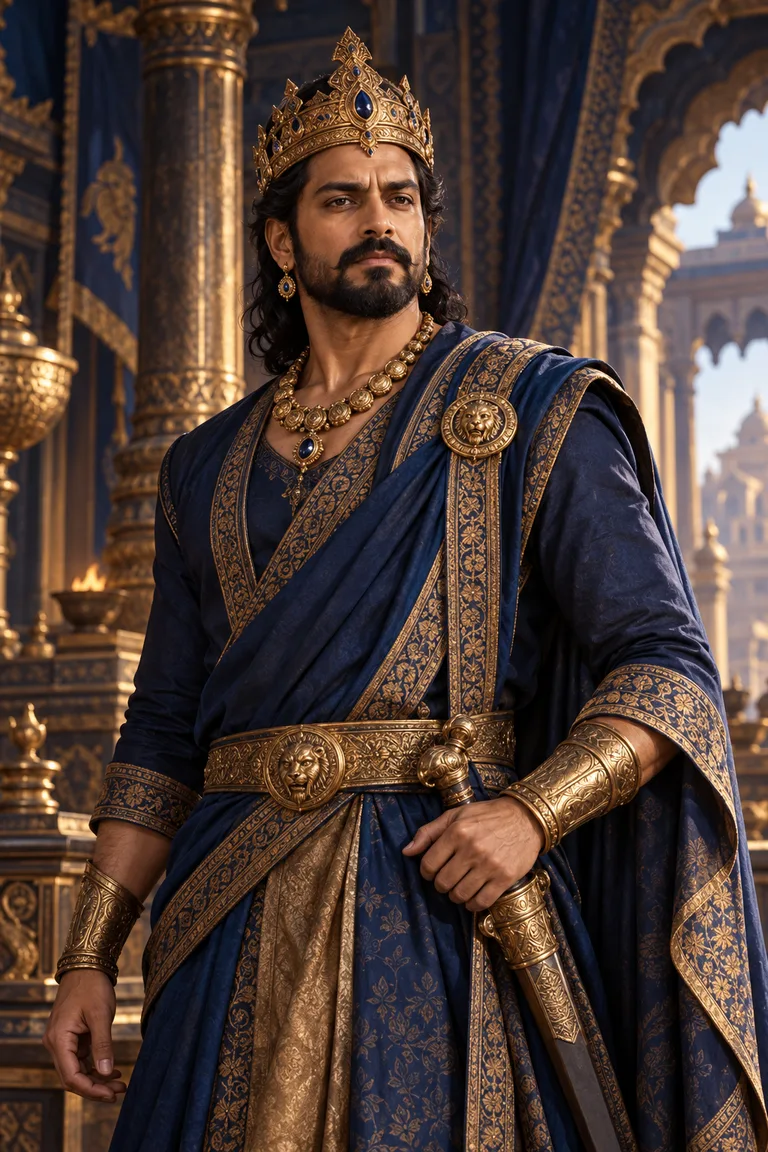
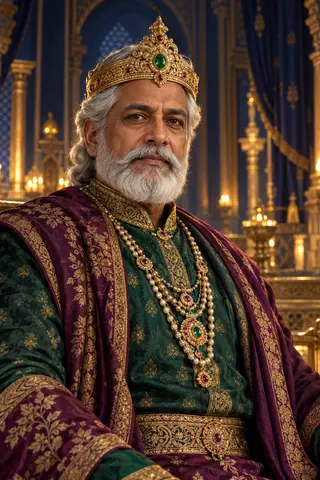
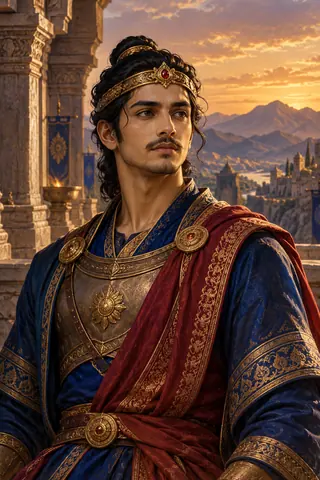


Narada’s answer to Valmiki introduces Rama’s story.
Earthly Sacred Locations7




Stories & Events3
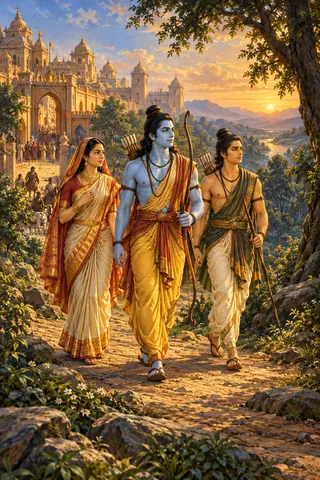

The abduction drives the search and the conflict in the Ramayana.
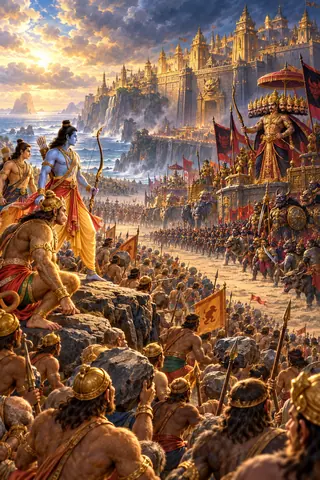
The war in Lanka is one part of the Ramayana’s larger narrative.