THE LIVING ARCHIVE
About Samudra Manthana
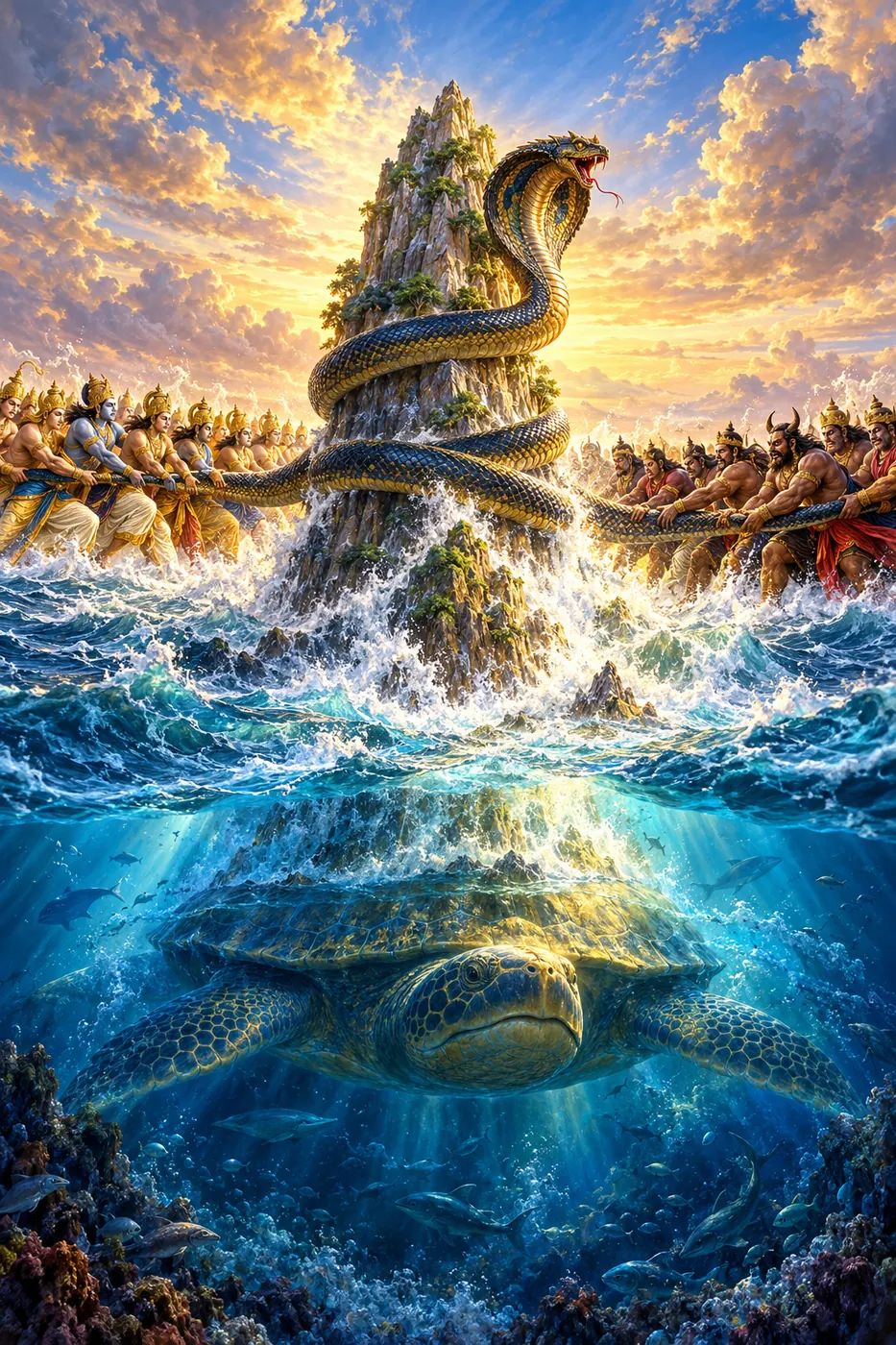
The devas, or celestial gods, and the Asuras cooperate because both want the nectar. Mandara serves as their churning rod and Vasuki as the rope they pull from opposite ends. When the mountain sinks, Vishnu's tortoise manifestation supports it, allowing their work to continue.
The churning is not a single duel with one victor. Different stages require different kinds of action: physical effort, support, the containment of danger and judgement about how the result will be shared. The participants’ alliance remains vulnerable to pride and competition throughout.
AT A GLANCE
Identity & Context
- Identity
- Event
- Tradition
- Hindu religious traditions
- Also Known As
- Churning of the Ocean · Churning of the Ocean of Milk
THE STORY
Life & Stories
ROLE & ESSENCE
Attributes & Significance
The event’s sequence matters: support enables effort, sacrifice contains danger, and abundance introduces a new problem of distribution. Its many connected treasures are meaningful because each belongs to this unfolding process, rather than appearing as an unrelated list of divine possessions.
Event Overview
Gods and asuras churn the ocean seeking nectar. Kurma, Mandara and Vasuki, the arising treasures and the distribution of Amrita belong to this narrative.
Textual Setting
Bhagavata Purana, Canto 8
Participants, Objects & Places
The connected records below are grouped by category and link to their original canonical profiles.
Sequence & Chronology
Narrative sequence is distinct from an established modern historical date.
Tradition Notes
Retellings, details and emphasis differ. Follow the primary-text reference and distinguish its own commentary.
Archive Classification Notes
Original archive annotations are retained here. The current playable classification is shown in the side panel.
- Tradition Dependence
- High — compare the identified textual or regional account.
TRADITION & MEANING
Traditions & Interpretations
Lists and ordering of the ocean’s treasures differ among tellings. The account here keeps the Bhagavata sequence visible without treating every later inventory as an identical enumeration. The poison, Kurma’s support and the nectar’s contested arrival remain central.
The emergence of nectar does not settle who will possess it. The Asuras seize Dhanvantari's vessel, and Vishnu's appearance as Mohini changes its distribution in favour of the devas. Rahu's disguised entry into their line shows the rivalry continuing even during the final serving of the nectar.
From the Sacred Texts
Explore the sacred texts behind these stories in the Suvarnaveda library.
FOLLOW THE THREADS
Connected Cards
14 connected profiles. Every path leads to an original record.
Artifacts, Divine Treasures & Relics4
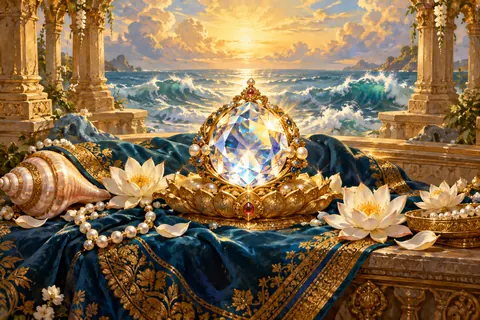
The jewel emerges during the churning.
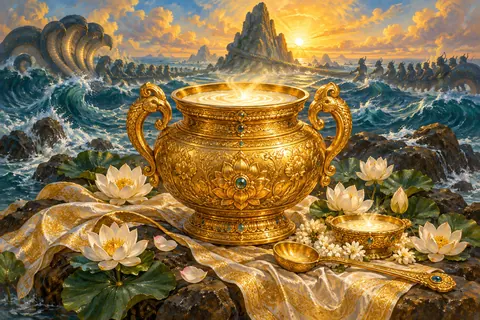
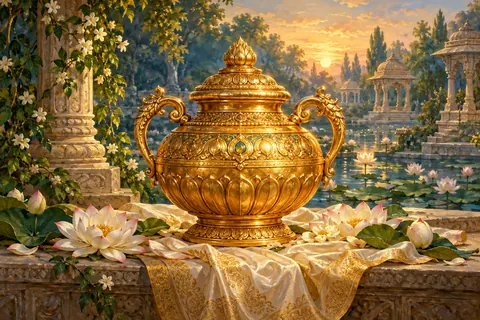
The churning of the ocean is the narrative setting in which amrita is obtained.
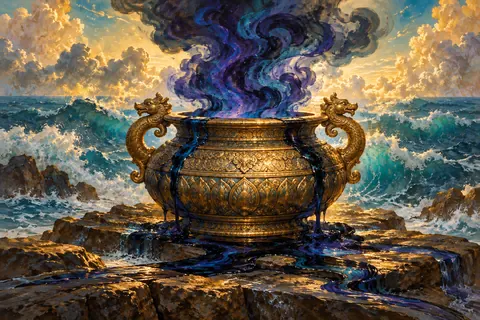
Halahala appears during the churning of the ocean.
Realms & Cosmic Worlds1

Characters & Cosmic Entities8
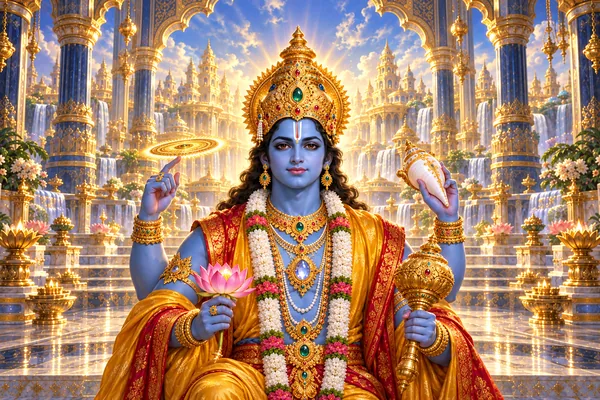
Vishnu supports and directs the undertaking through its successive crises.
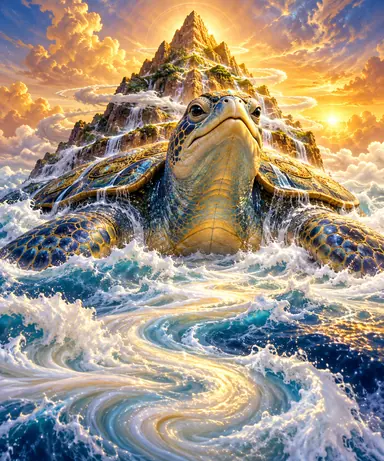
Kurma bears the churning mountain.

Vasuki is wound around Mandara.
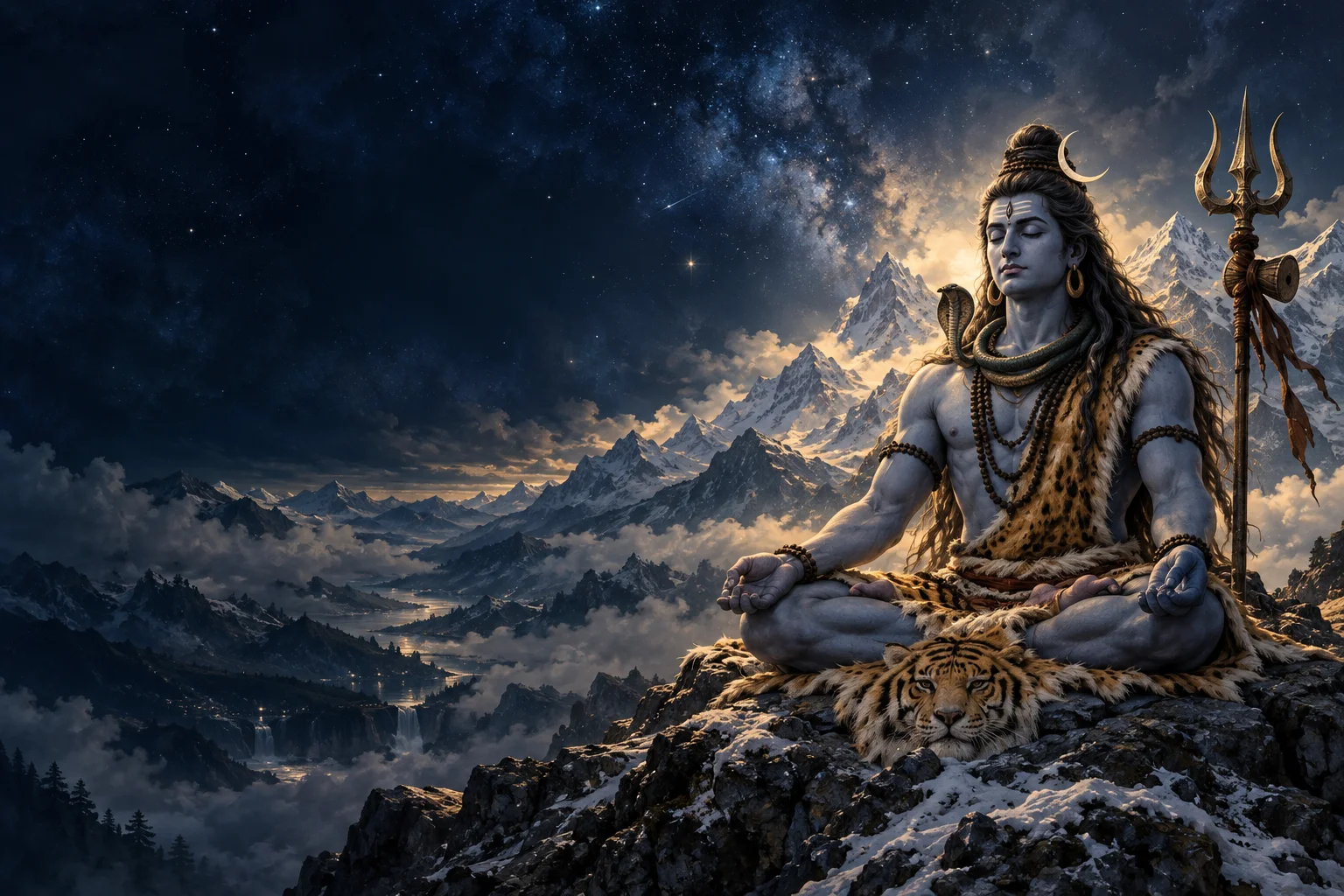
Shiva protects the world by drinking the poison.
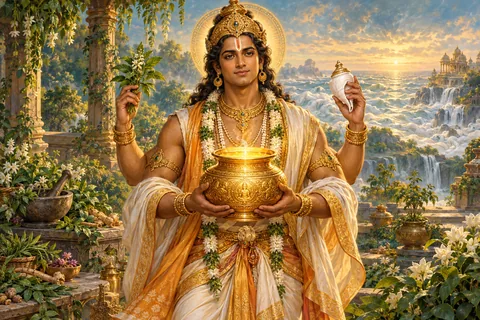
Dhanvantari emerges carrying amrita.
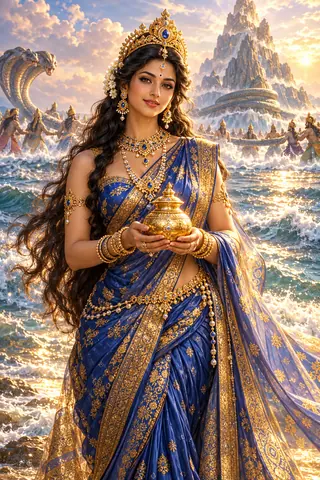
Mohini directs the final distribution.

The Bhagavata places Airavata’s emergence in Samudra Manthana.