THE LIVING ARCHIVE
About Brahma
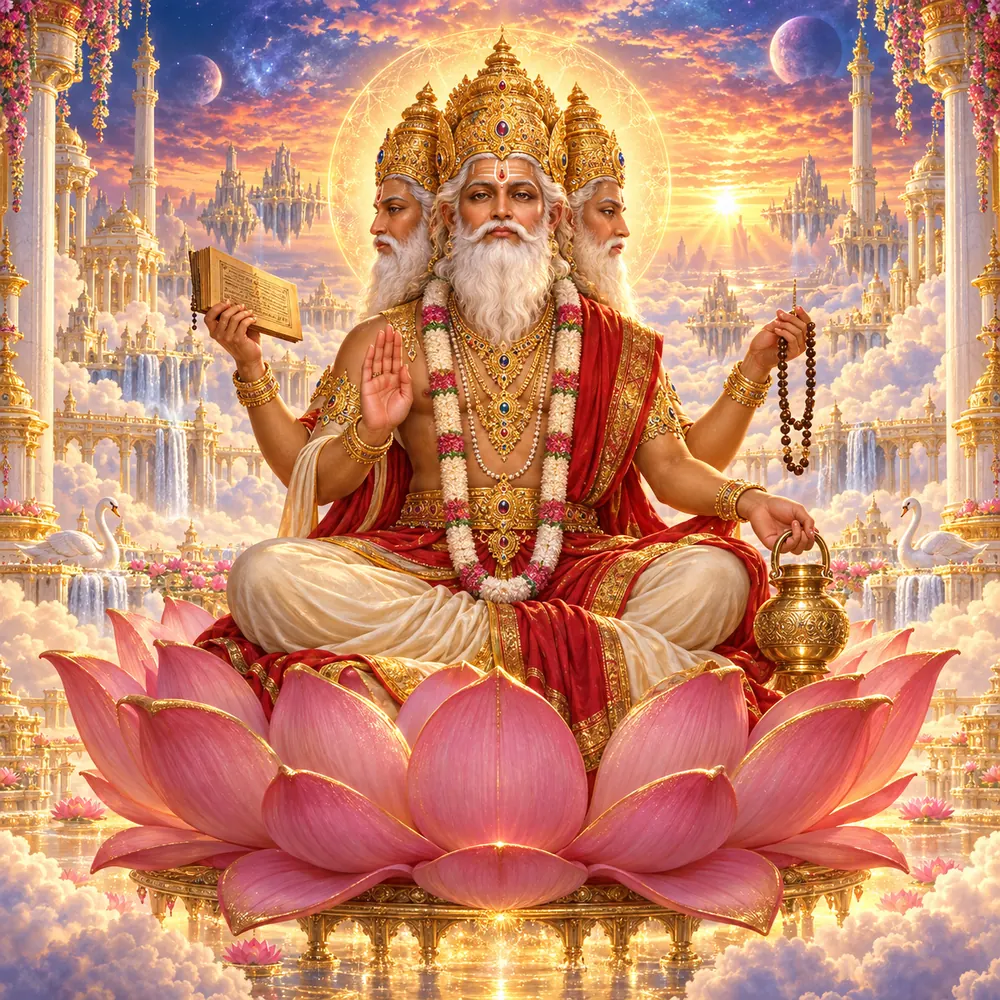
Brahma is the creator deity who brings forth and organizes living beings within the cosmos. He is commonly shown with four heads and seated on a lotus. In the Bhagavata’s account, that lotus arises from Vishnu. Brahma first finds himself without knowledge of his origin; his effort to look in every direction explains his four heads in this telling.
Brahma gains the understanding and capacity needed for creation through meditation and divine instruction. The Lord reassures him and directs his work. His role is therefore great, but it exists within a wider divine order. Brahma should also be distinguished from Brahman, the philosophical name for ultimate reality; the similar names refer to different concepts.
More About Brahma
Brahma belongs to the Trimurti alongside Vishnu and Shiva. His role concerns cosmic creation and the transmission of knowledge. Puranic narratives associate him with the cosmic lotus, the ordering of living beings, and the granting of boons. These accounts are told within particular theological traditions and do not all provide the same genealogy.
His domain is commonly described as Brahmaloka or Satyaloka. Saraswati is associated with him as consort in many later traditions. The names Brahma and Brahman must remain distinct: one identifies a deity, while the other names ultimate reality in philosophical discourse.
AT A GLANCE
Identity & Context
- Identity
- Deity
- Form
- Supreme cosmic deity
- Tradition
- Vaishnava · Puranic
- Also Known As
- Brahmā · Chaturmukha
- World & Associations
- Satyaloka / Brahmaloka in Puranic accounts
Family & Relationships
- Mind-Born OffspringMarichi
- ConsortSaraswati
Consort association in many later traditions; not a universal biological genealogy.
- ChildSanatkumara
One of the four Kumaras created by Brahma in this account.
Family Context
These relationships follow the traditions described here. Some details remain uncertain and should not be treated as a single universal genealogy.
Brahman
Ultimate reality and creator deity are distinct terms; never merge these records.
THE STORY
Life & Stories
Story Connections
- Creation from the cosmic lotus
- Granting boons
ROLE & ESSENCE
Attributes & Significance
Brahma’s stories explain creation as a responsibility requiring knowledge and restraint. He must first learn his own origin, then direct the powers that appear through his creative activity. The Kumaras also show that beings can pursue spiritual freedom instead of the worldly role he desires for them. His greatness as creator includes these difficulties and limits.
Role
Creator deity associated with cosmic creation in Puranic traditions.
Attributes & Abilities
- Creation
- Vedic knowledge
- Boons
Visual Identity
Brahma is represented with four faces in the Angkor-period sculpture catalogued by the Metropolitan Museum of Art. This is an attested artistic form, while details of dress and implements vary between images.
TRADITION & MEANING
Traditions & Interpretations
Puranic creation accounts use different images, including the lotus and the cosmic egg. They explain Brahma’s place within different theological settings. Brahma’s creative role is also distinct from Brahman, the philosophical name for ultimate reality.
Brahma’s search down the lotus stem explains his initial lack of knowledge. Meditation and divine instruction then prepare him to create. His responsibility for shaping life therefore follows a period of learning about his own origin and place in the cosmos.
Puranas offer different accounts of cosmic beginnings, including lotus and cosmic-egg imagery. These accounts express distinct theological settings rather than a single uniform chronology. Brahma’s creative office should be distinguished both from the impersonal philosophical term Brahman and from claims of absolute sourcehood made for a tradition’s supreme deity.
From the Sacred Texts
Explore the sacred texts behind these stories in the Suvarnaveda library.
Artwork & Archive Notes
Objects & Emblems
No named weapon or artifact is specified in this profile’s reference record. This does not establish that the figure never used one.
Tradition Note
The accounts belong to Vaishnava / Puranic. Genealogy, theological interpretation, and portrayal can differ between texts and regional retellings.
FOLLOW THE THREADS
Connected Cards
86 connected profiles. Every path leads to an original record.
Astras2
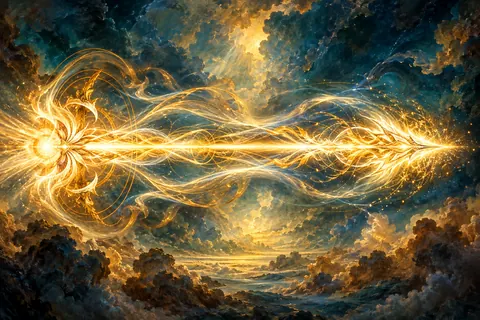
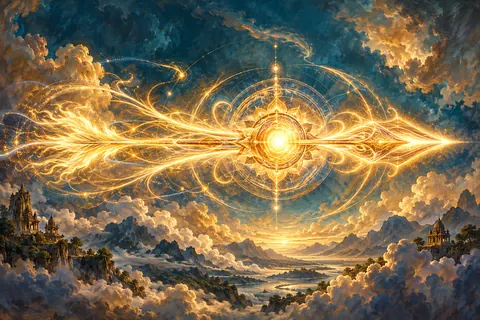
The weapon’s name and authority are associated with Brahma.
Artifacts, Divine Treasures & Relics2
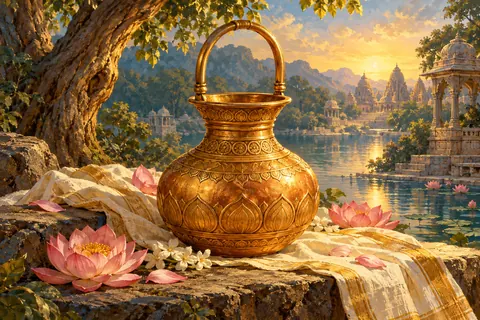
The water vessel is held by Brahma and used among his identifying sacred emblems.
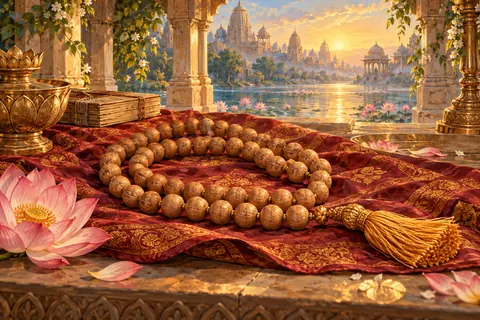
The Akshamala is held by Brahma and represented among his foundation emblems.
The Sacred Library8
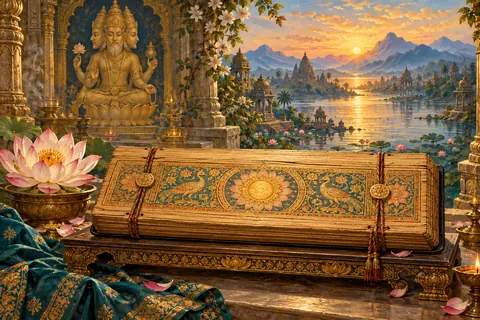
The opening recalls Brahma’s earlier discourse.
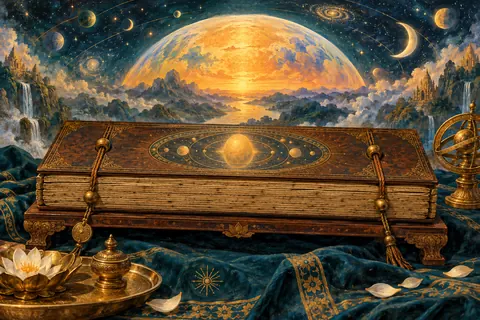
Brahma is associated with the creative function in the cosmological teaching.
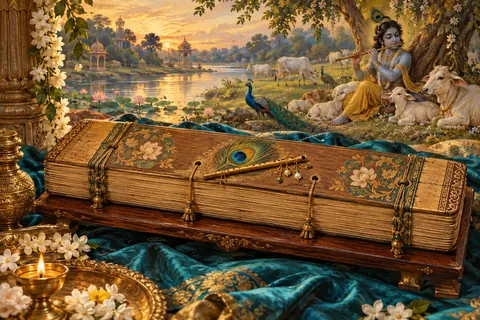
The opening traces the teaching’s lineage to Brahma.
The Narada inventory describes Brahma teaching Manu.
Brahma explains Vyasa’s confusion and transmits Ganesha’s sacred history.
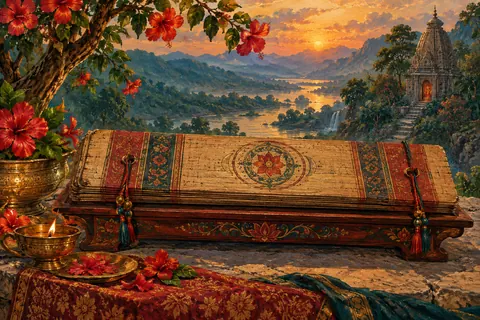
Brahma helps support the mountain bearing the Goddess’s presence.
Earthly Sacred Locations1

Brahma is said to create the lake through his mind.
Realms & Cosmic Worlds10

Satyaloka/Brahmaloka is linked with Brahma in this cosmological usage.
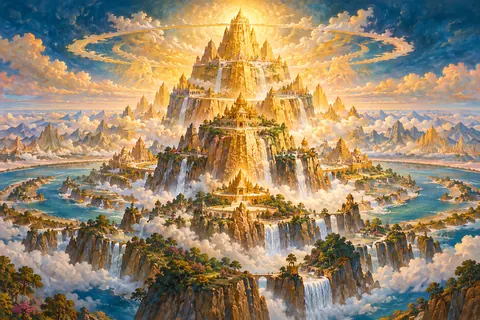
Brahma’s city is placed upon Meru.
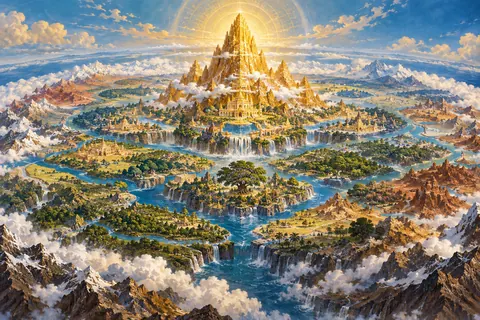
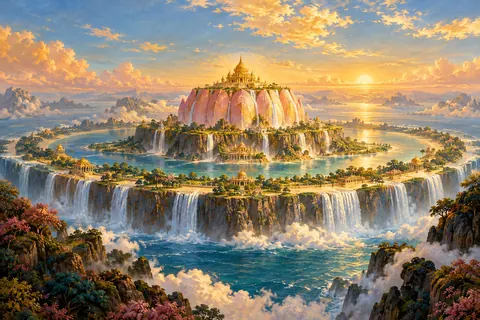
The great lotus of Pushkara is associated with Brahma.
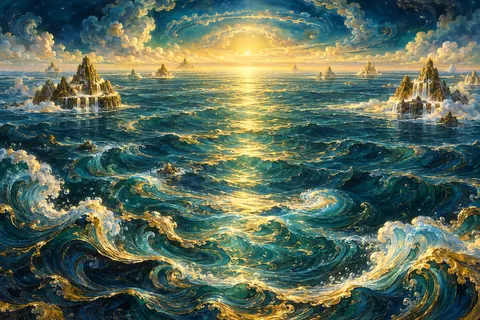
Brahma’s lotus and search for its source unfold above these waters.
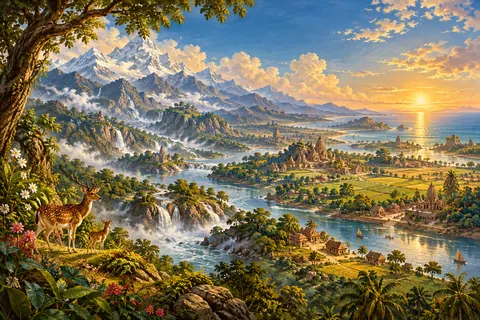
The cycles of Brahma’s day and night frame the manifestation and withdrawal of the three worlds.
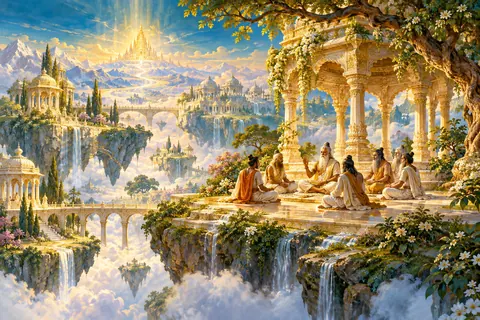
The account names pure-minded sons of Brahma among Janaloka’s residents.
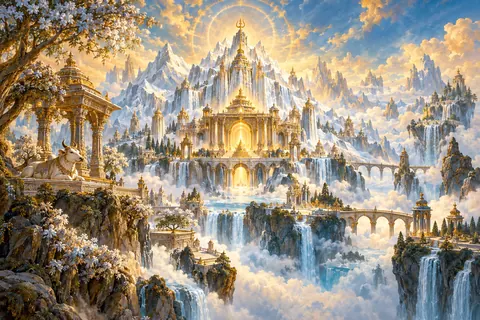
Brahma leads the devas to Shiva after the disruption of Daksha’s sacrifice.
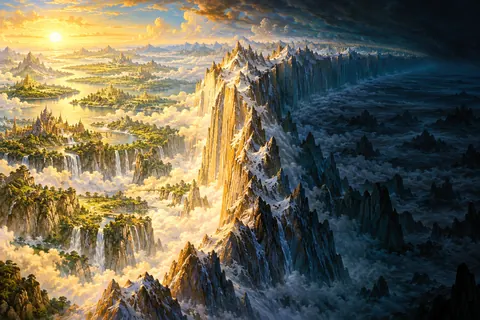
Brahma establishes the directional elephant guardians.
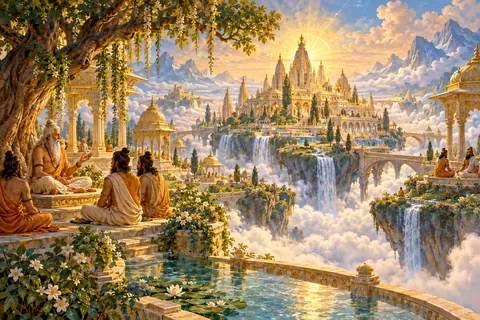
A day of Brahma supplies the scale through which the realm’s duration is described.
Stories & Events3
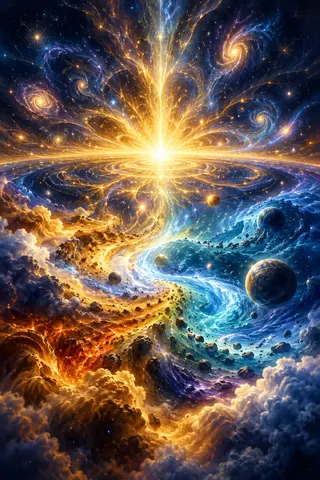
Brahma is the creative form described within the Puranic unfolding.
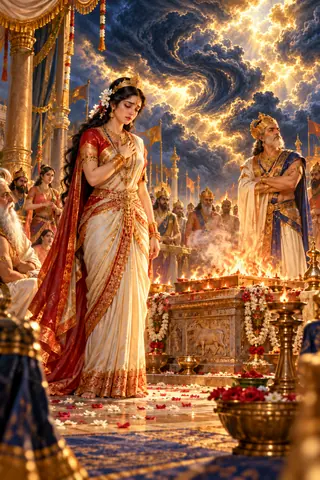
Brahma leads the approach to Shiva before the sacrifice is restored.

Brahma grants the protection around which the conflict is structured.
Characters & Cosmic Entities60
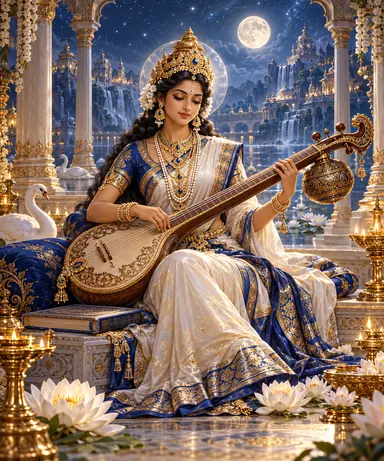
Consort association in many later traditions; not a universal biological genealogy. Traditional account from the reference profile. The linked source is a reading lead; a passage verifying this exact family relationship has not been established.

The Bhagavata includes Narada among Brahma's sons who remain celibate.
Brahman is ultimate reality; it is distinct from the creator deity Brahma.
Recognizes dependence on the Goddess for creative power.
Receives power for creative responsibility.
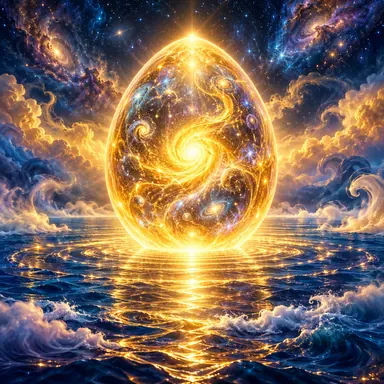
Golden-egg imagery is associated with Brahma in the Manusmriti.
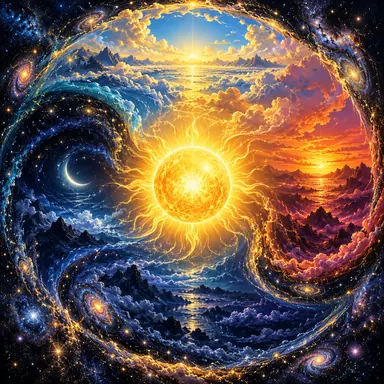
His day and night structure cycles of manifestation.
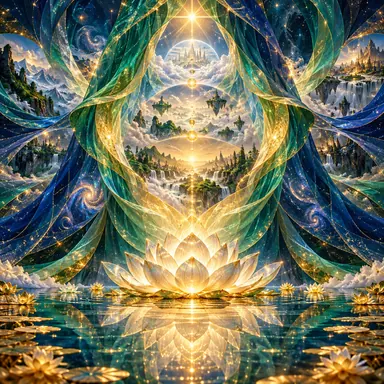
The cowherd episode reveals the limits of his comprehension.
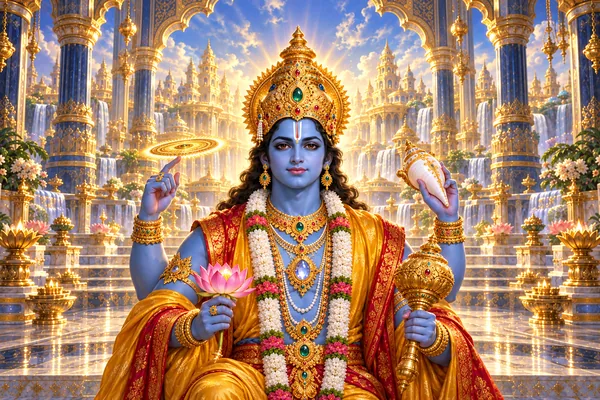
The Bhagavata places Brahma’s appearance in the lotus arising from Vishnu.
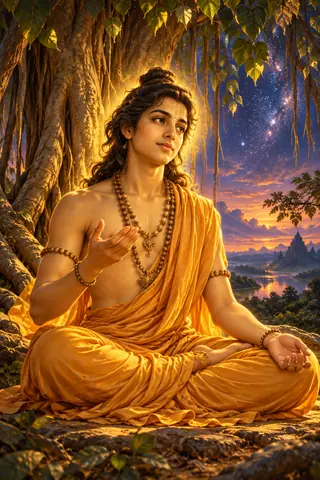
One of the four Kumaras created by Brahma in this account.
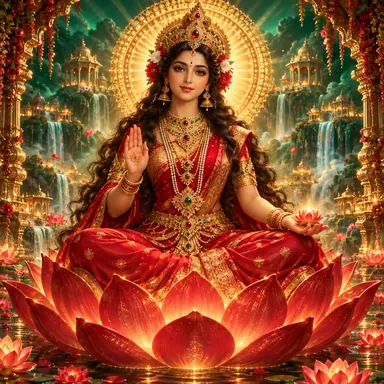
Appeals to the Goddess when threatened by Madhu and Kaitabha.
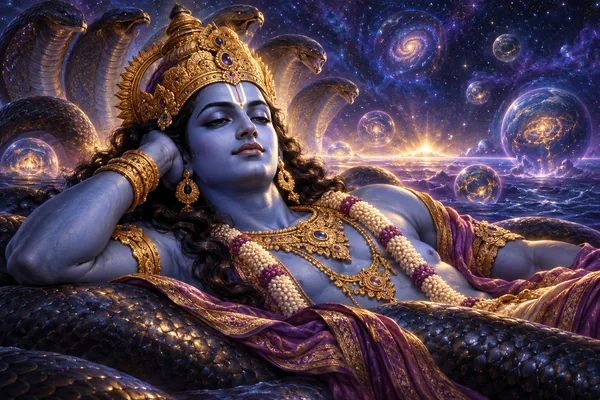
The lifetimes of universe-lords are measured against his breath.
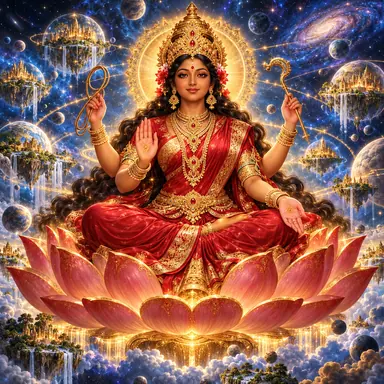
Encounters Bhuvaneshwari during the divine journey.
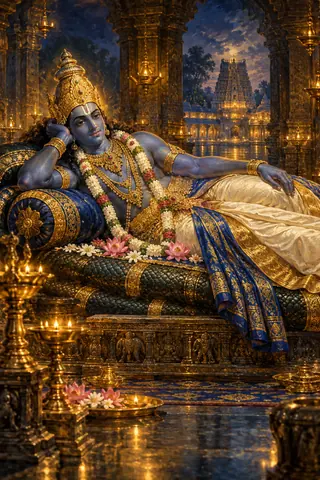
His worship begins the temple’s sacred transmission narrative.
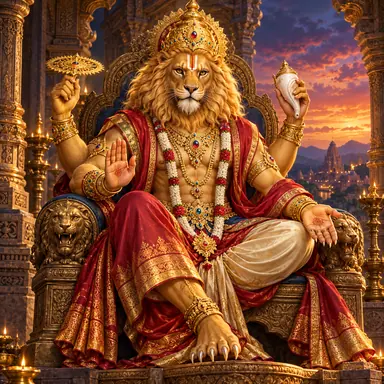
Asks Prahlada to approach after the battle.
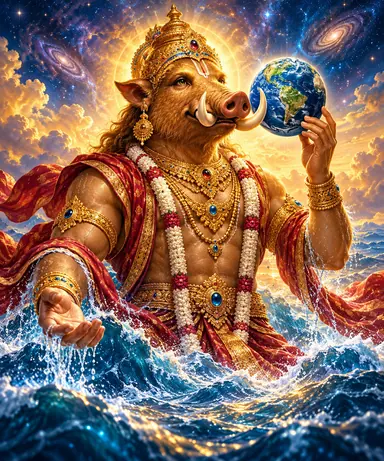
Varaha appears while Brahma considers the earth’s inundation.
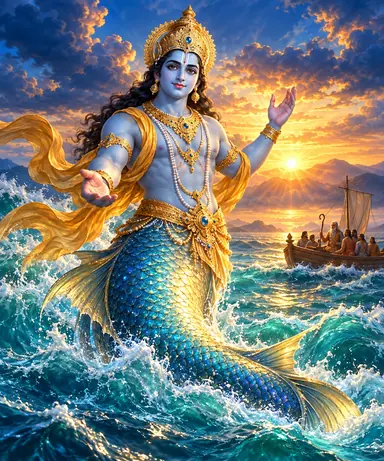
Vedic knowledge is restored to Brahma in the Bhagavata; the epic fish identifies itself as Brahma.
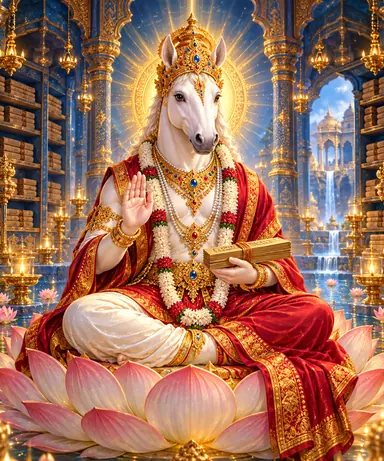
He returns the Vedas to Brahma.
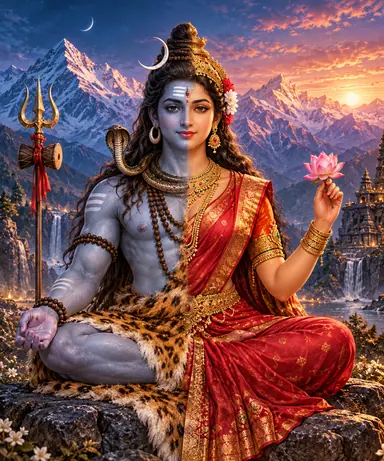
Brahma receives the power needed for continuing creation.
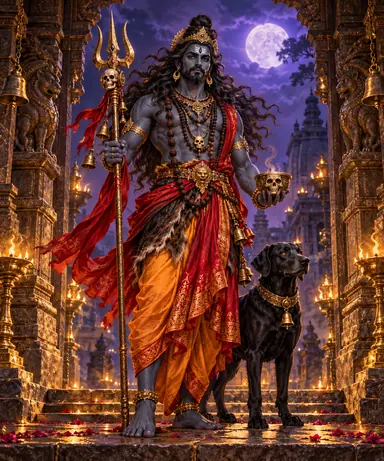
The fifth head of Brahma is severed.
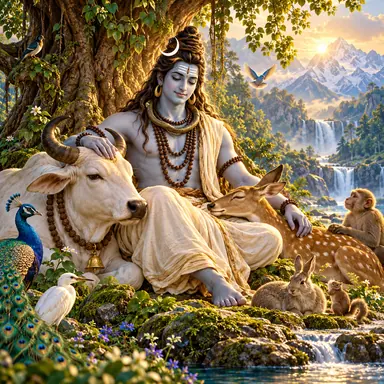
Even Brahma is included among bound beings in the Linga Purana explanation.
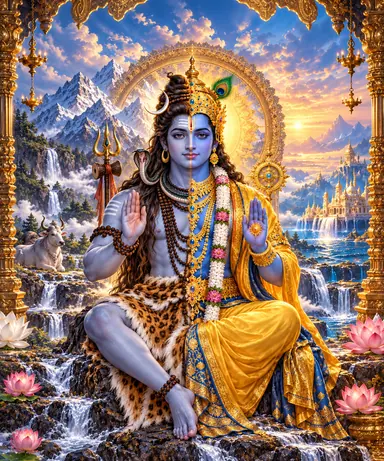
Brahma is included in the Bhagavata’s teaching on divine non-separation.
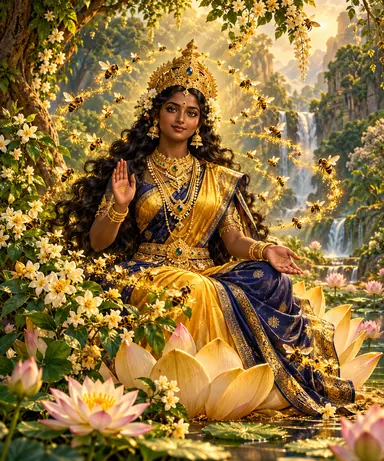
Brahma grants Aruna the carefully delimited boon.
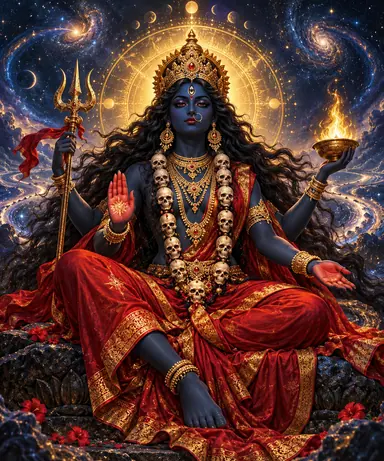
Brahma petitions the goddess for deliverance from Madhu and Kaitabha.
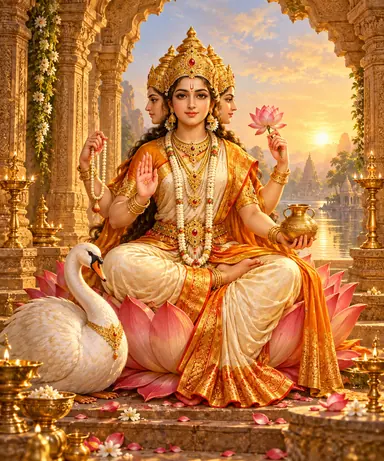
Brahmani expresses the deity’s shakti in the Matrika setting.

Brahma assigns him the world-supporting task.

Brahma grants the guardianship of wealth and Pushpaka.
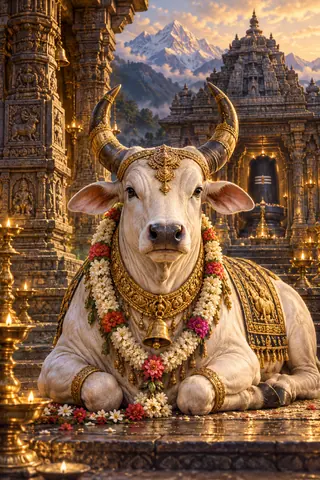
Conducts Nandi’s consecration as leader of the ganas.
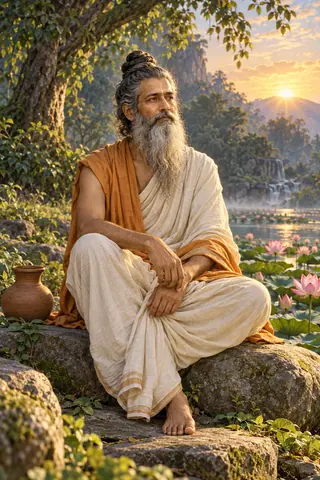
Marichi arises from Brahma’s mind in this account.
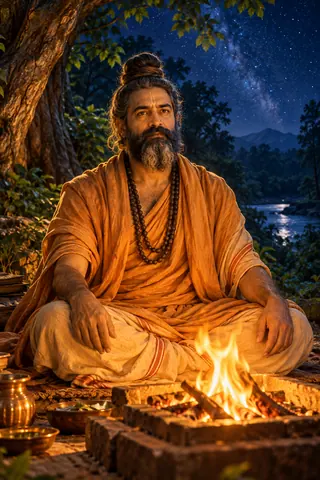
Angiras arises from Brahma’s mouth in this account.
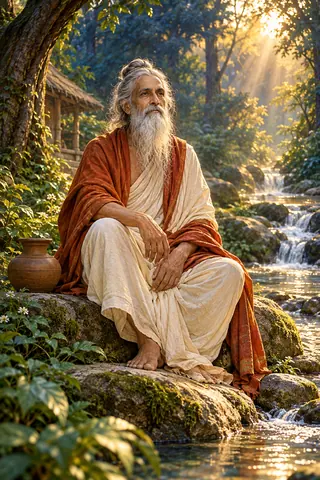
Pulaha arises from Brahma’s navel in this account.
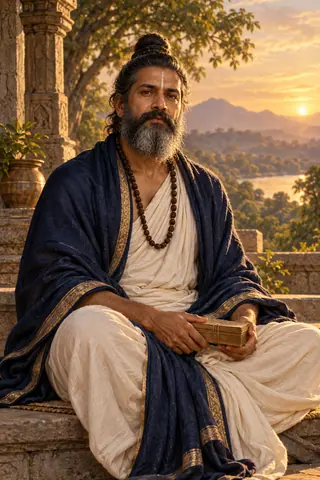
Pulastya arises from Brahma’s ears.
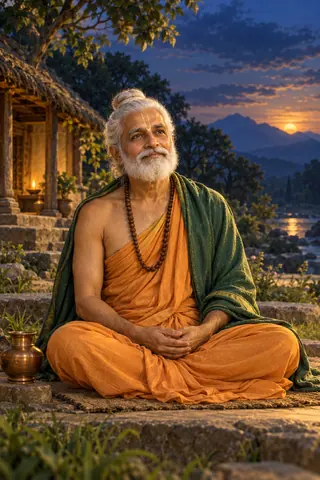
Kratu arises from Brahma’s hand in this account.
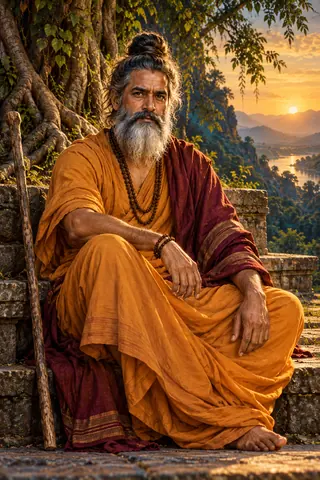
Bhrigu is included among Brahma’s sons.
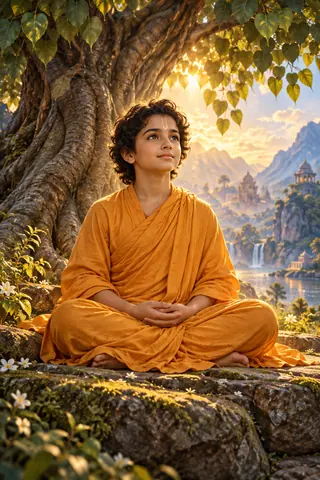
Brahma creates Sanaka among the four Kumaras.
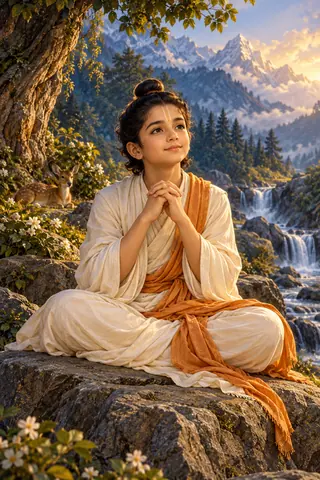
Sanandana belongs to Brahma’s mental sons in the Janaloka account.
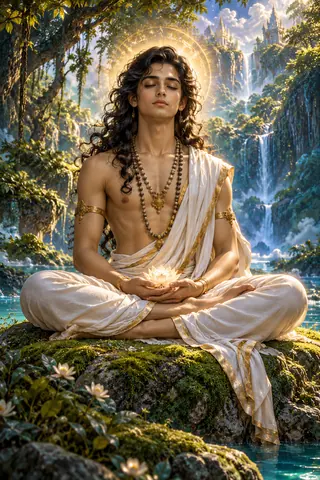
Brahma creates Sanatana among the four Kumaras.
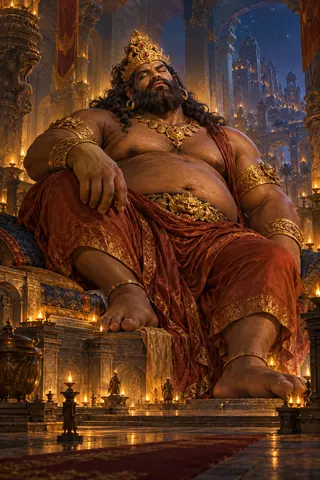
Brahma restrains Kumbhakarna’s destruction through a sleep curse.
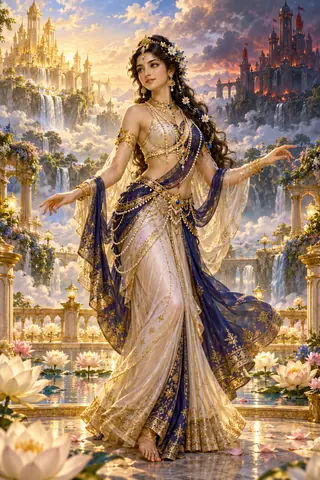
Brahma assigns her mission and rewards its completion.
Brahma explains the elapsed ages and identifies Balarama.
The fourteen Manus comprise a day of Brahma.
Upamanyu recalls divine names associated with Brahma and earlier sages.
Daksha is Brahma’s son in the Prasuti household.

Brahma persuades Priyavrata to accept rule.
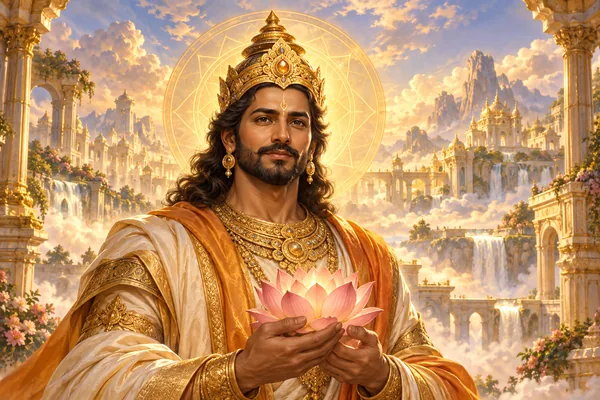
The Mahabharata calls the pair sons of Brahma.

Ishana appears during Brahma’s meditation and teaches him.
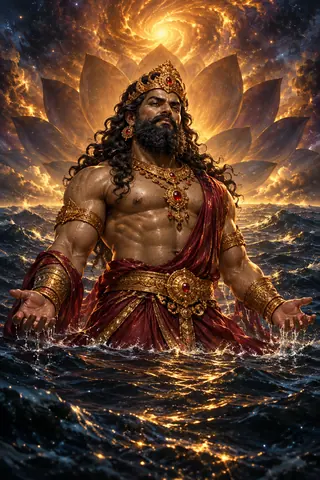
Their approach to kill Brahma prompts his appeal to the Goddess.
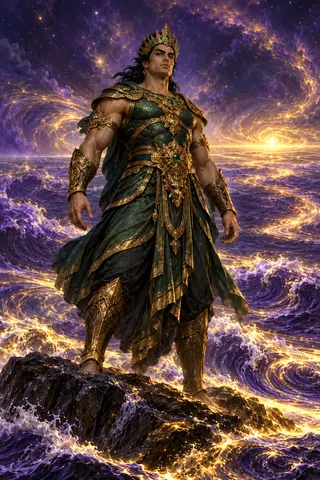
The pair’s threat to Brahma begins the struggle.

Brahma grants Durgama control of Vedic knowledge after his austerities.

Brahma sends Shankhachuda to Tulasi and blesses their marriage.
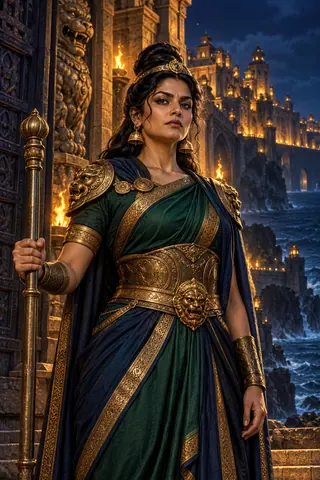
Brahma’s warning explains what her defeat by a vanara means.
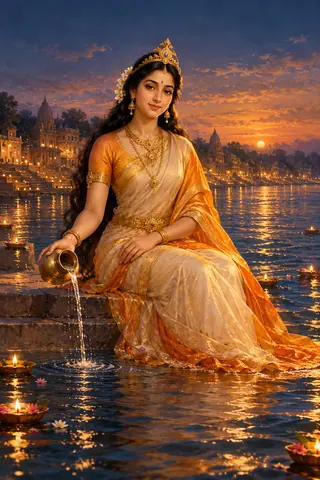
Brahma creates the lake of origin and receives Rama at the final river scene.
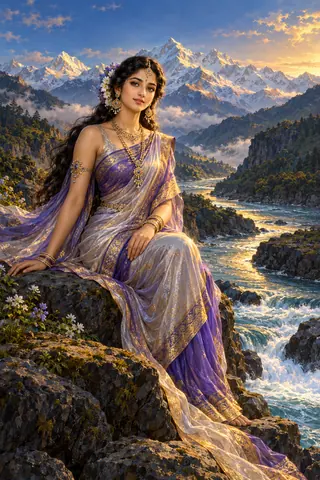
The named branch flows from the southern side of Brahma’s city.
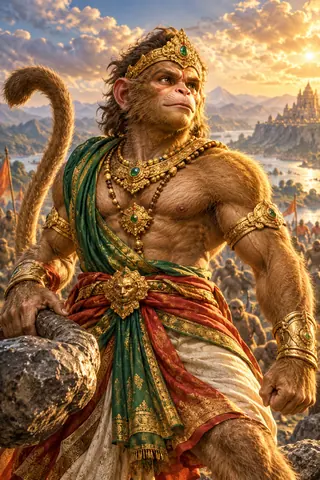
Hanuman recalls Brahma’s protection of the two sons of the Ashvins.
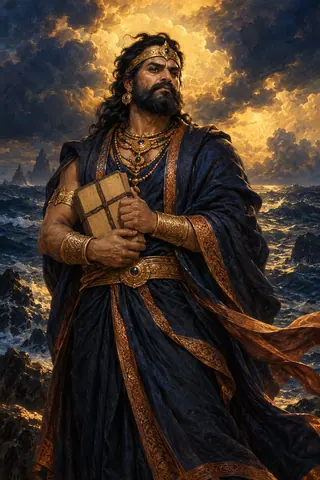
The asura takes the Vedas as Brahma falls asleep.

Brahma grants the qualified protection obtained through austerity.
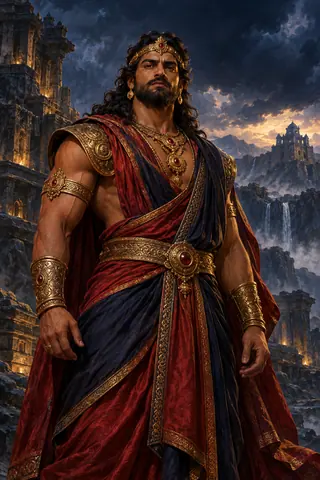
He emerges from Brahma’s yawn and receives his dangerous gift.
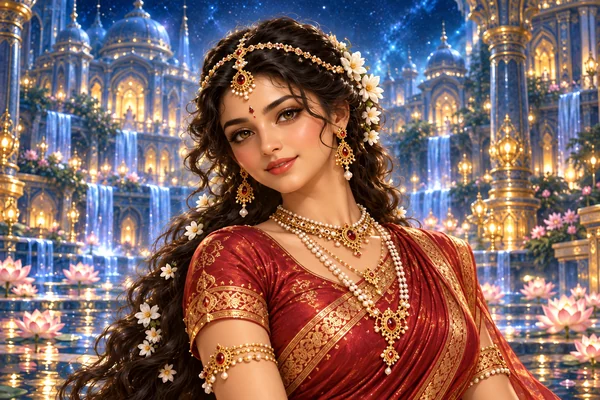
Brahma creates the Apsara performers named in the Natyashastra, including Manorama, to assist Bharata.
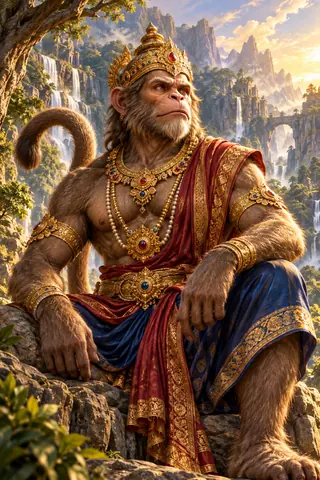
Brahma directs his life on Meru and installation at Kishkindha in the origin narrative.
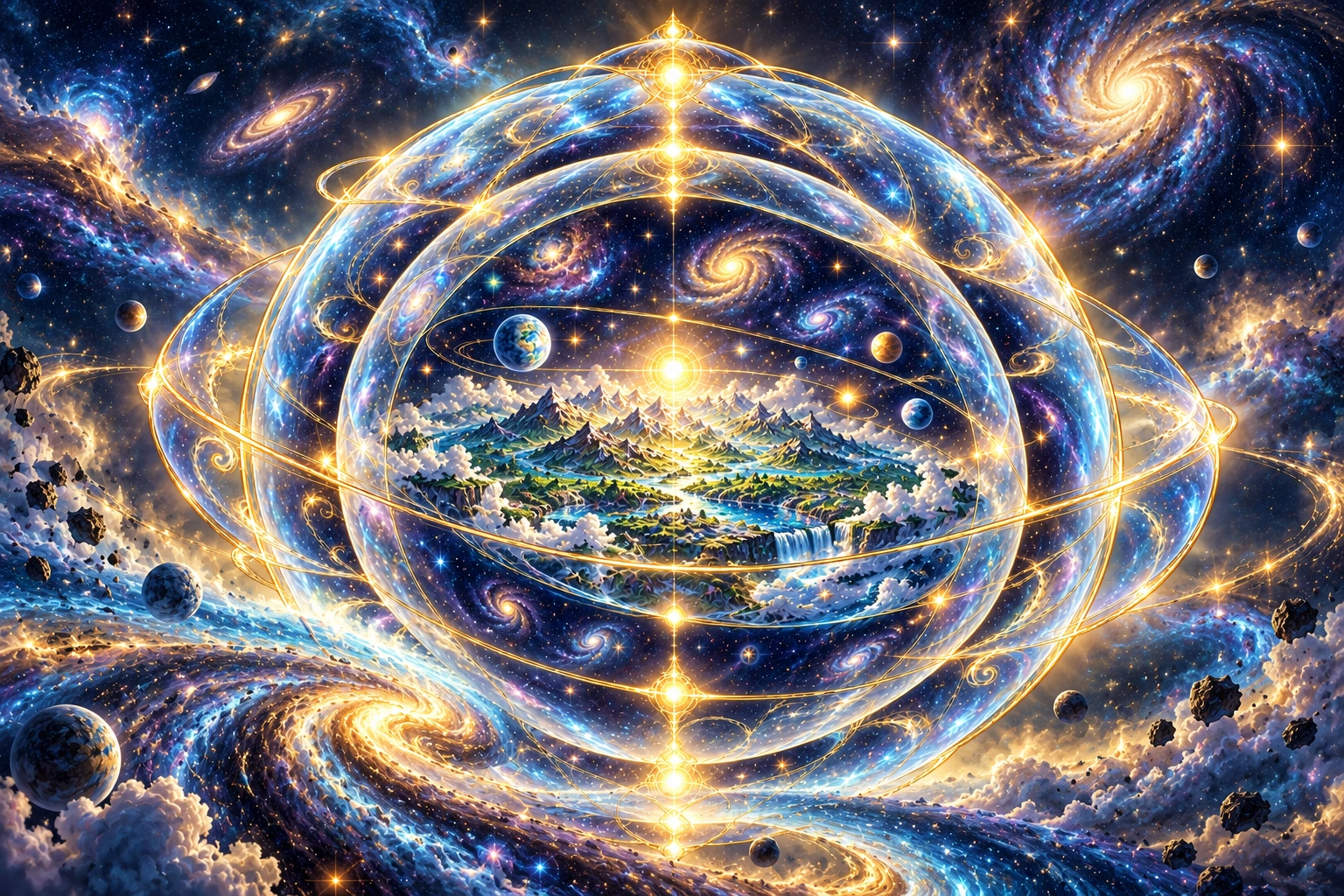
Brahma carries out creation within the cosmic enclosure.