THE LIVING ARCHIVE
About Vishnu
Vishnu is worshipped as the divine sustainer and protector of the world. His stories describe divine intervention when life and sacred order are threatened. Vaishnava traditions also understand him as supreme reality, beyond the single function of preservation. This is why his importance includes creation, spiritual knowledge and liberation as well as protection.
Vedic hymns praise Vishnu for his three great strides through the cosmic regions and speak of his highest dwelling. Later stories develop the three-stride theme through Vamana and Trivikrama. The Vishnu Purana presents creation, preservation and dissolution as divine activities while describing a supreme reality beyond the qualities of nature. These different settings help explain the breadth of Vishnu’s identity.
AT A GLANCE
Identity & Context
- Identity
- Deity
- Form
- Supreme cosmic deity
- Tradition
- Vaishnava · Puranic
- Also Known As
- Viṣṇu · Hari
- World & Associations
- Vaikuntha; cosmic ocean imagery
Family Context
These relationships follow the traditions described here. Some details remain uncertain and should not be treated as a single universal genealogy.
THE STORY
Life & Stories
Story Connections
- Avatars restoring dharma
- Ocean-churning narratives
ROLE & ESSENCE
Attributes & Significance
Vishnu’s protective role is expressed through guidance, intervention and the restoration of order. His advice before the churning of the ocean shows him directing the gods through a crisis. His weapons and ornaments also carry spiritual meanings in the Vishnu Purana: the divine image can teach about soul, intellect and mind. Devotees can therefore approach Vishnu through stories, worship and contemplation.
Role
Preserving deity and supreme Lord in Vaishnava traditions, associated with avatars and protection of cosmic order.
Attributes & Abilities
- Preservation
- Divine manifestation
- Protection
Objects & Emblems
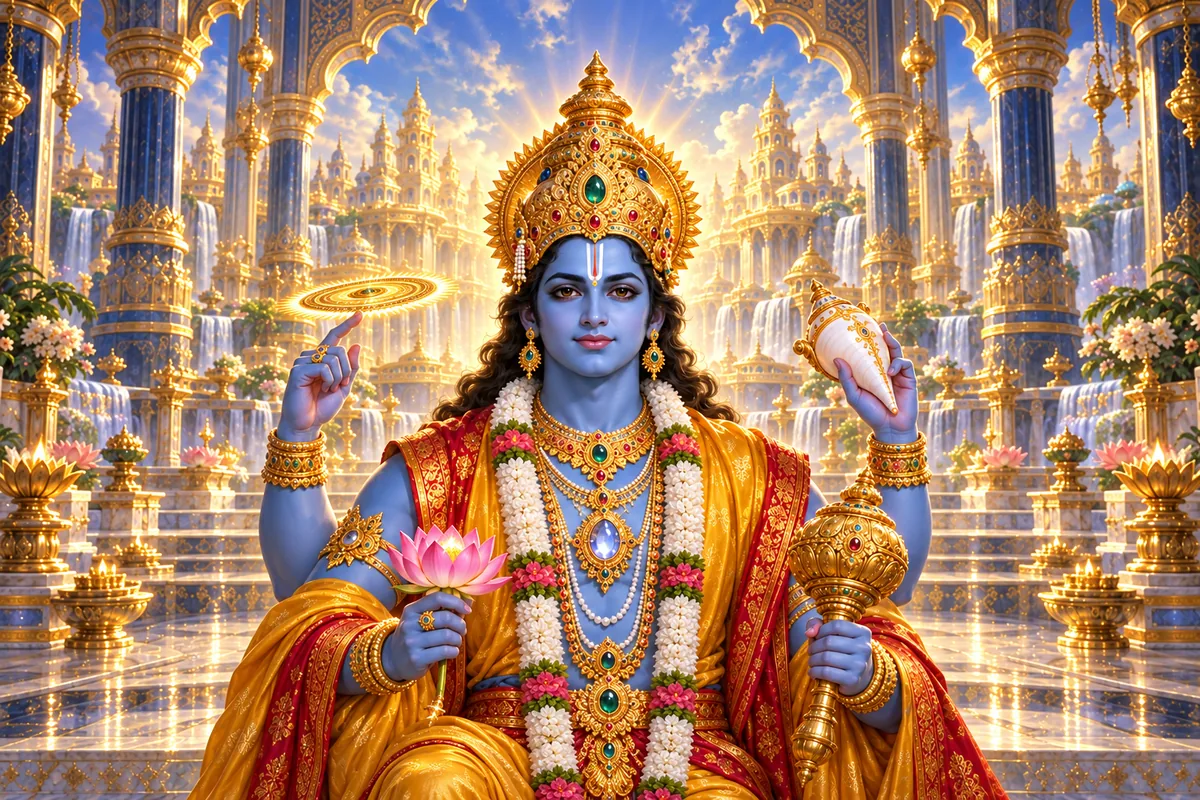
- Sudarshana discus
- Panchajanya conch
- Kaumodaki mace
- Sharnga bow
Visual Identity
Four-armed images of Vishnu display attributes such as a discus, conch, and mace. The Metropolitan Museum of Art’s seventh-century Mekong Delta sculpture preserves this combination. Attributes and their arrangement differ across forms and regions.
TRADITION & MEANING
Traditions & Interpretations
Narayana, Hari and Vasudeva are closely associated with Vishnu in Vaishnava worship. Different theological systems explain their manifestations in different ways. The names therefore need context, even when devotees understand them as referring to the same supreme Lord.
Vishnu’s three strides describe a presence extending through the cosmic regions. The interpretations of his emblems explain that presence through the soul, intellect and mind. His stories and sacred image offer connected ways to understand divine support and the goal of spiritual freedom.
Narayana, Hari, and Vasudeva are closely connected names in Vaishnava worship, but particular theological systems explain their manifestations in different ways. The Vishnu Purana’s identification of divine functions should not be converted into a claim that every Hindu tradition uses the same arrangement.
The editorial classification does not establish the outcome of a hypothetical duel.
From the Sacred Texts
Explore the sacred texts behind these stories in the Suvarnaveda library.
FOLLOW THE THREADS
Connected Cards
109 connected profiles. Every path leads to an original record.
The Sacred Library16
Vishnu is described as the source, support and end of the world.

Vishnu’s worship and manifestations are among the work’s central subjects.
The opening questions concern knowledge and worship of Vishnu.
Vishnu’s manifestations and supreme reality frame the opening.
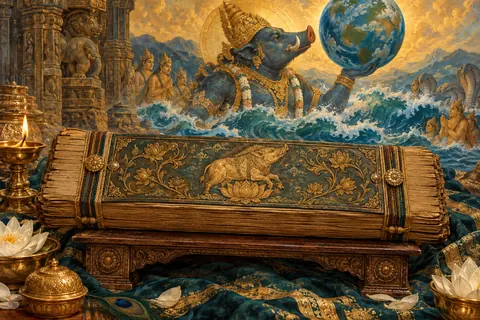
Varaha is identified with Vishnu in the opening prayer and dialogue.
Vishnu is the foundation of creation and the protector of devotees.
Vishnu teaches Dharma in response to the Earth’s request.
The Pancharatra scriptures describe the worship and manifestations of Vishnu.

The tradition’s rites centre on Vishnu’s consecrated presence.

Weapons5
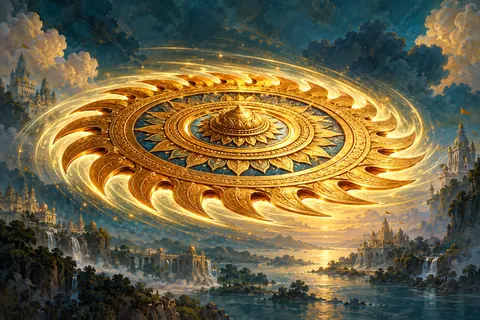
Sudarshana belongs among Vishnu’s attributes.
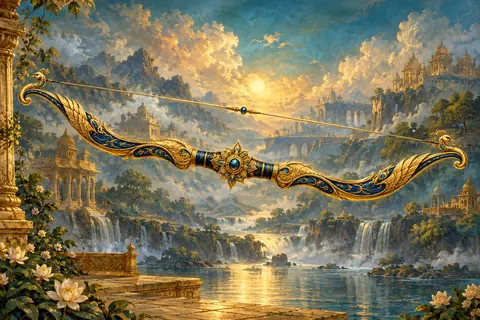
The bow is associated with Vishnu.
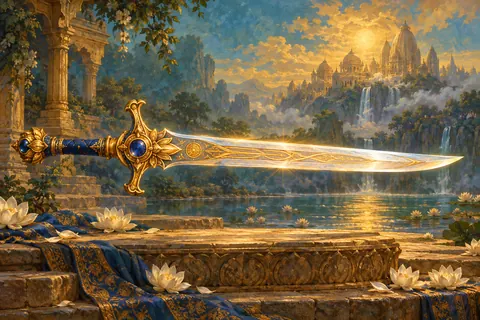
Vishnu is praised as the bearer of Nandaka.
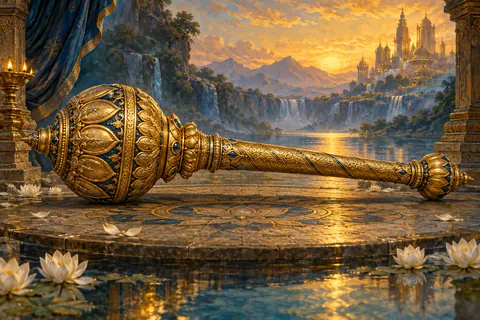
The mace belongs to Vishnu’s iconographic and contemplative form.
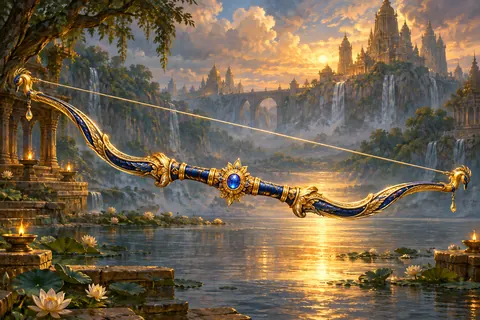
Artifacts, Divine Treasures & Relics5
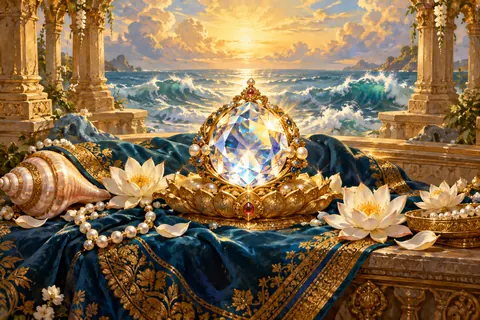
Vishnu receives the jewel for his chest.

Vishnu bears Vaijayanti in the cosmological interpretation of his insignia.

Vanamala is worn as part of Vishnu’s interpreted form.

Vishnu carries the lotus as a characteristic emblem.
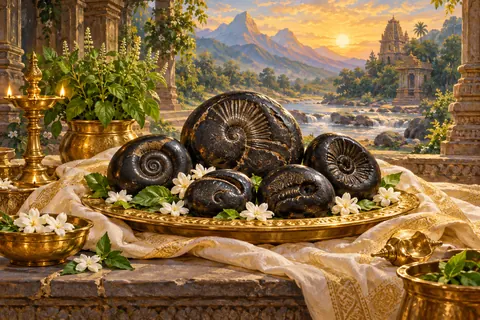
Shaligrama stones are honoured as forms of Vishnu.
Earthly Sacred Locations11
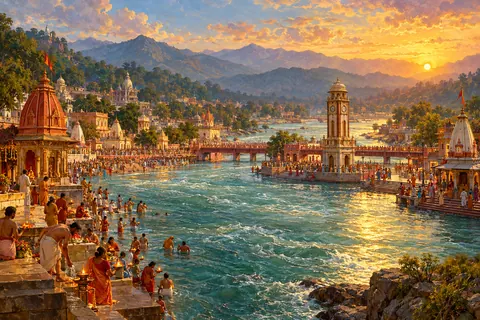
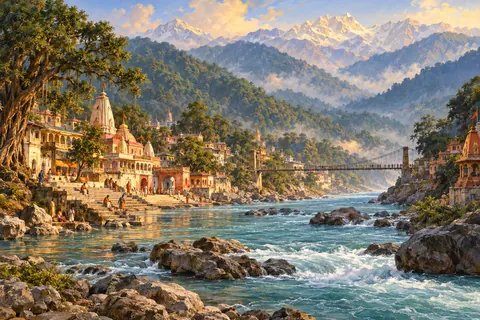

Vishnu is worshipped as the seated Badarinarayana.
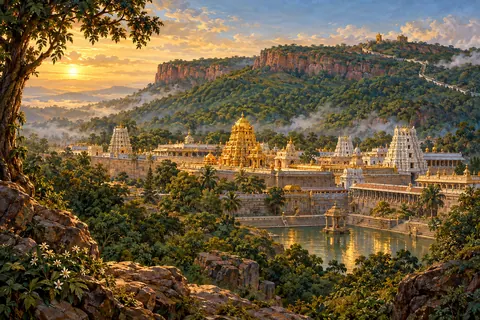
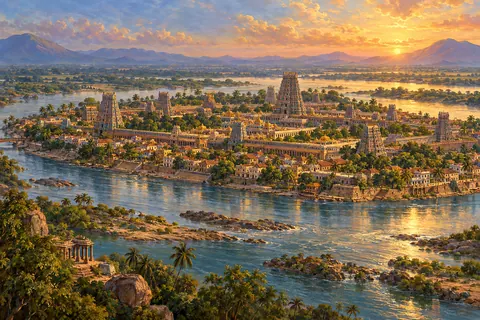
The town is a major centre of Vishnu worship.
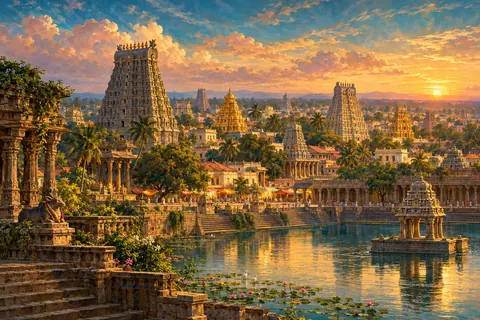
Varadaraja Perumal is a major Vishnu shrine in Kanchipuram.
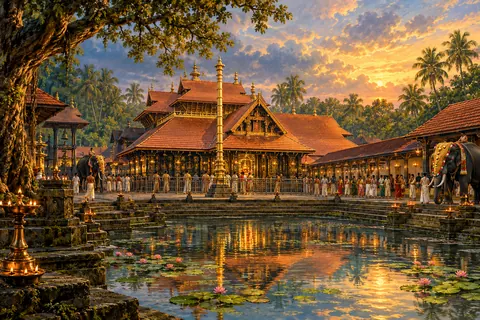
The standing four-armed image bears Vishnu’s conch, discus, lotus and mace.
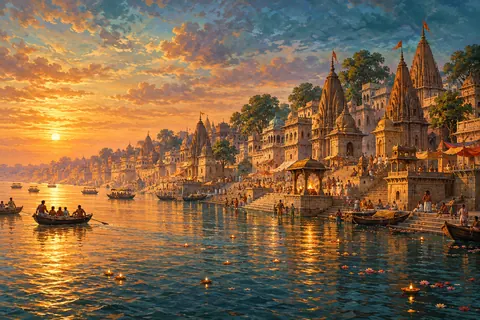
Vishnu performs penance in the city within the creation account.
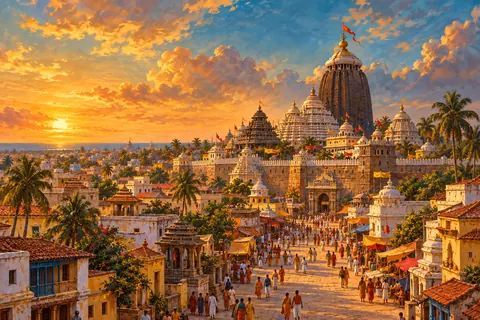
The Narada Purana describes the place as a sacred centre of Vishnu.
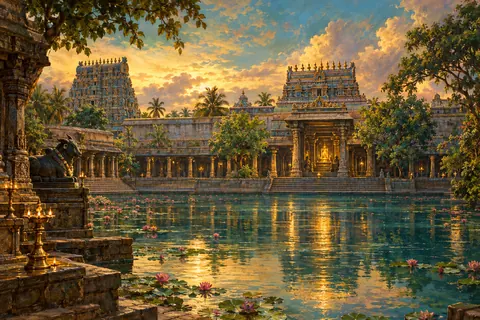
The wider temple complex also includes Vishnu worship.
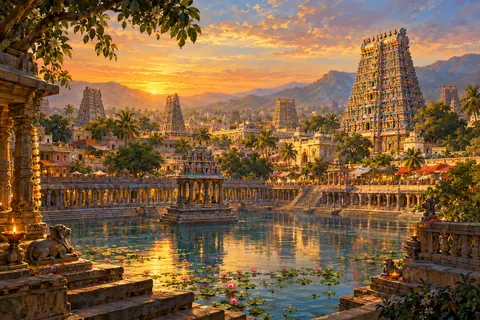
Vishnu as Alagar belongs to the Chithirai marriage tradition.
Realms & Cosmic Worlds8
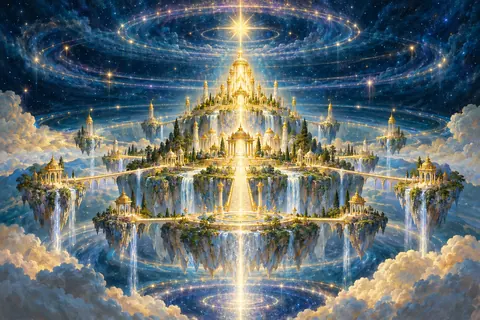
The attendants of Vishnu guide Dhruva toward his enduring destination.

Vaikuntha is Vishnu’s divine abode in this account.
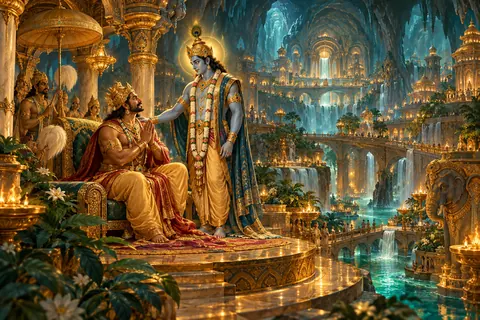
Vishnu promises his presence and protection to Bali.

Vishnu supports Mandara through his tortoise manifestation.

Vishnu rests upon Ananta in the waters of the creation account.
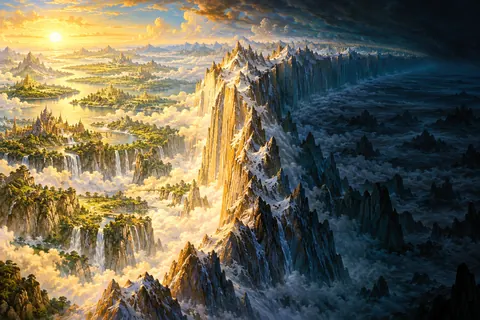
The Lord appears upon Lokaloka to sustain its guardians and worlds.

Vishnu’s power checks the inhabitants’ pride.
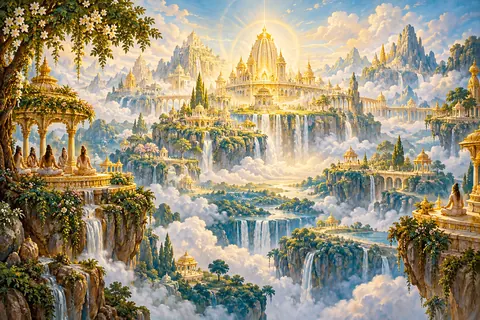
Siddhas praise the divine deliverer in the Gajendra episode.
Stories & Events4

The Vishnu Purana places cosmic manifestation within Vishnu’s divine reality.

Vishnu supports and directs the undertaking through its successive crises.

Vishnu manifests as Narasimha in answer to the challenge concerning his presence.

Characters & Cosmic Entities59
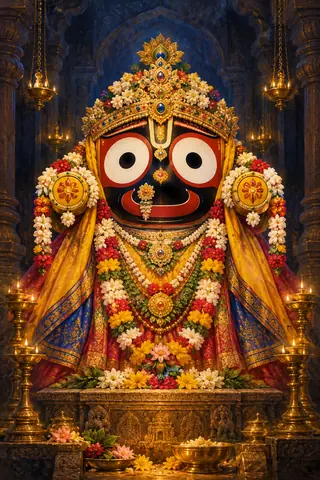
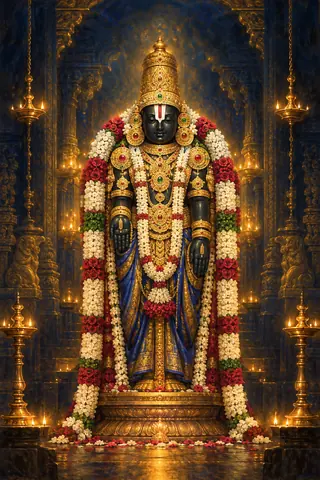
The Tirumala legend identifies Srinivasa with Vishnu.
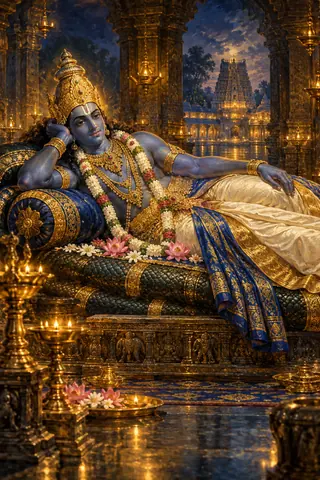
The reclining Lord of Srirangam is worshipped as Vishnu.
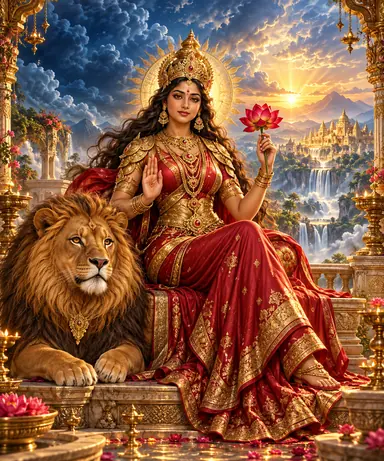
Vaishnava consort association. Traditional account from the reference profile. The linked source is a reading lead; a passage verifying this exact family relationship has not been established.
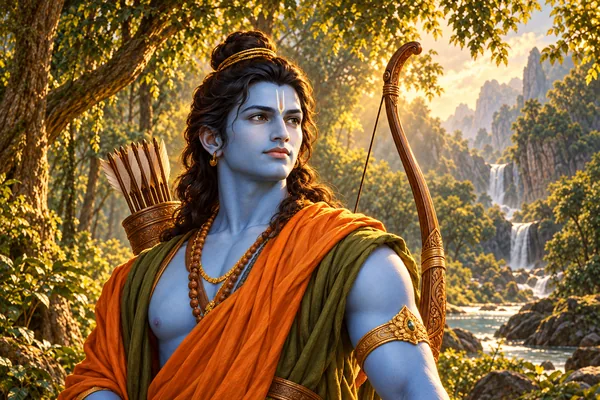
Brahma identifies Rama as Vishnu embodied to defeat Ravana.
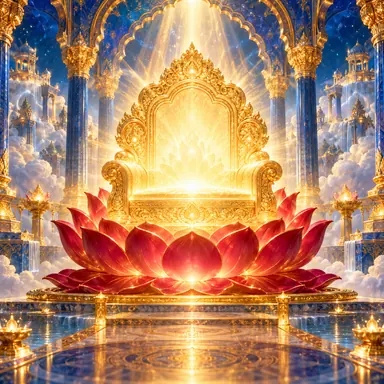
The Vishnu Purana explains Bhagavan in relation to Vasudeva.
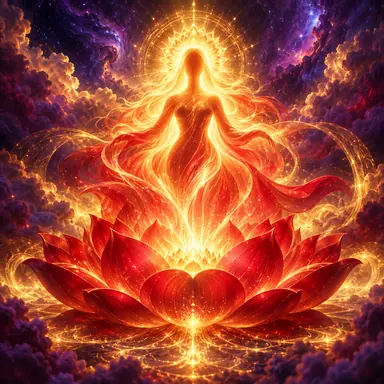
Preserving capacity depends upon Shakti in this account.
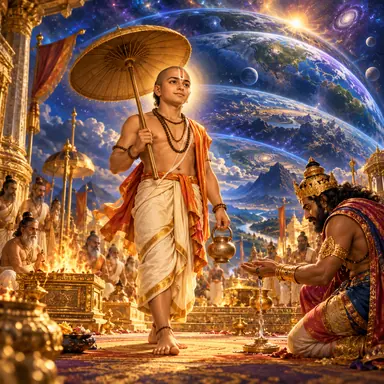
The later three-stride manifestation develops imagery also prominent in Vedic praise.
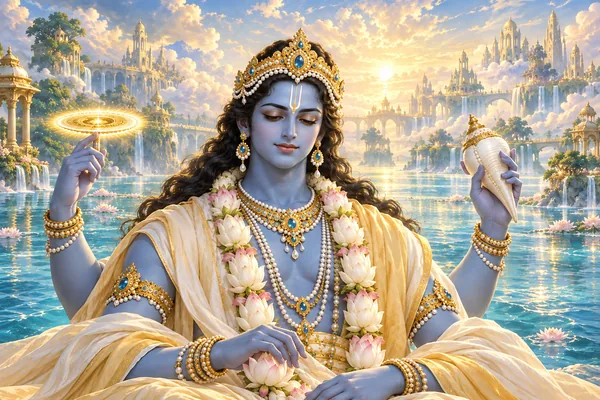
A closely related Vaishnava name for the divine sustainer.
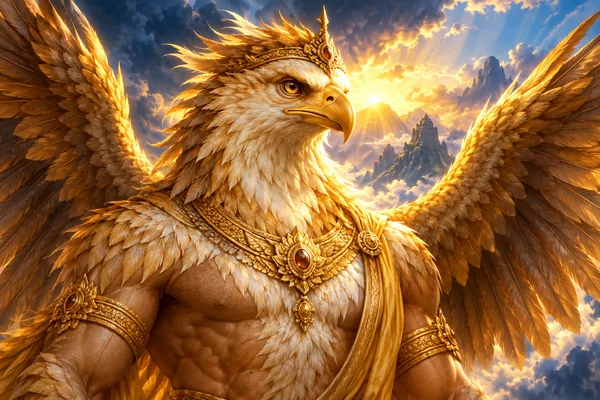
Carries Narayana in the rescue of Gajendra.

Vishnu as Narayana rescues the elephant devotee.
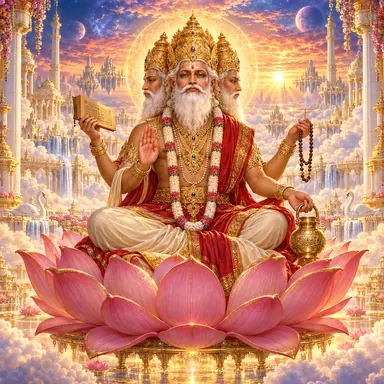
The Bhagavata places Brahma’s appearance in the lotus arising from Vishnu.
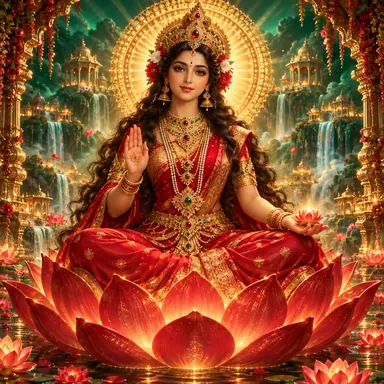
The Goddess as divine sleep enables his awakening.
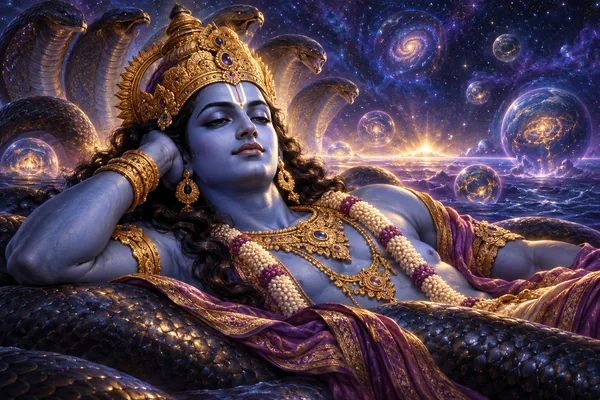
A cosmic Vishnu manifestation in the described Vaishnava framework.
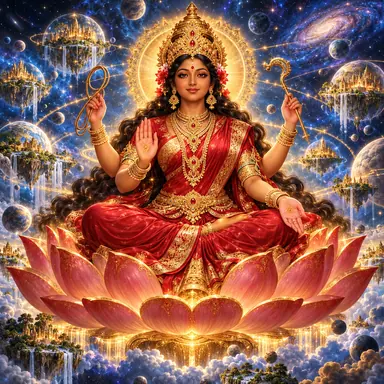
Recognizes the Goddess beyond familiar cosmic realms.
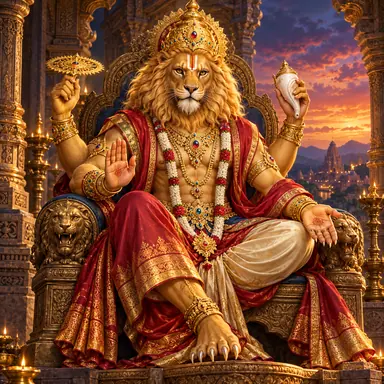
The protective man-lion manifestation of Vishnu.
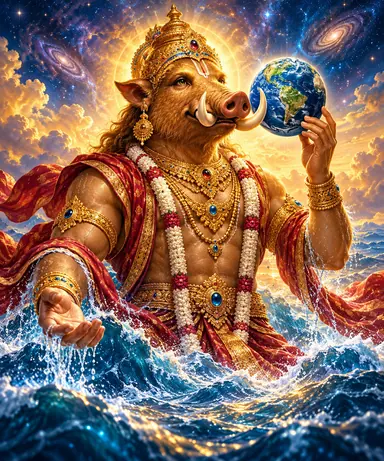
Appears as the boar to raise the earth.
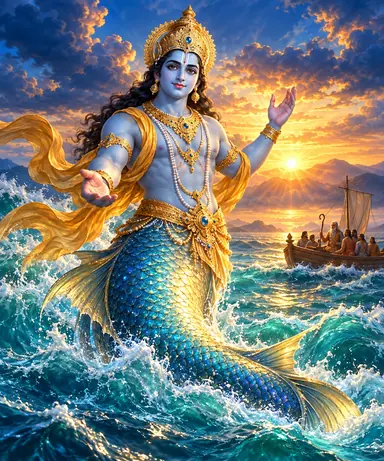
Matsya is Vishnu’s fish manifestation in the Bhagavata.

Supports Mandara in tortoise form.
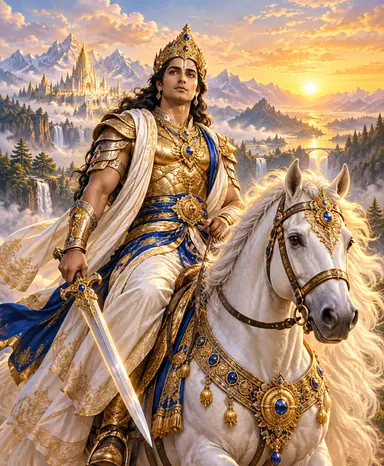
The future manifestation that restores order at the close of Kali.

The Bhagavata identifies the Bhargava warrior with divine manifestation.
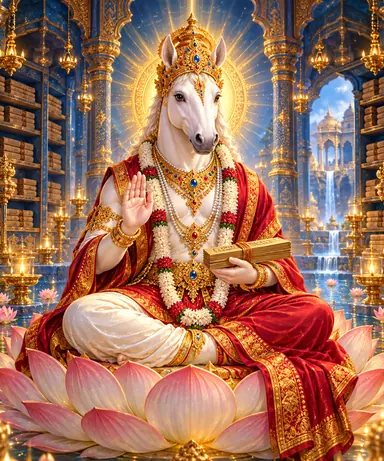
Hayagriva is Vishnu’s horse-headed form.

Vishnu assumes the Mohini form.
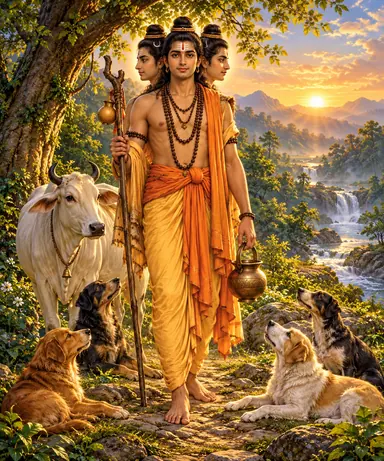
Datta is identified with Vishnu.
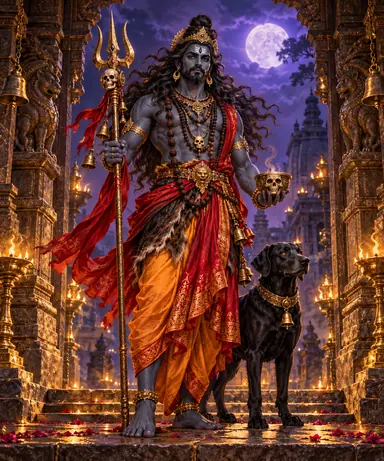
Vishnu honors the wandering Bhairava.
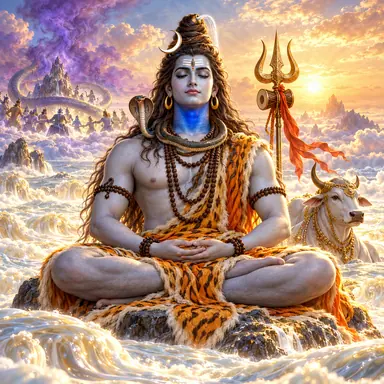
Vishnu urges Shiva to accept the first offering in the Ramayana account.
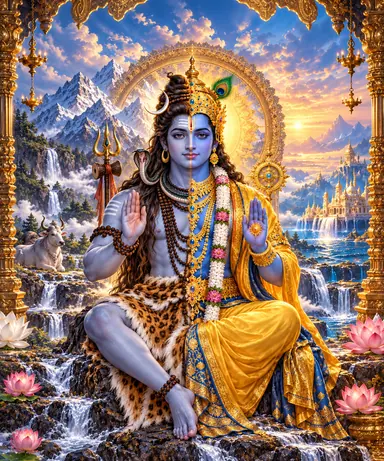
Hari names Vishnu in the united form.
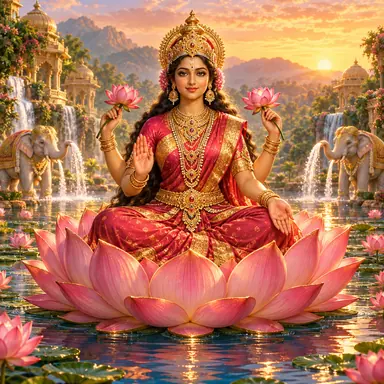
The meditations name her as Hari’s beloved.
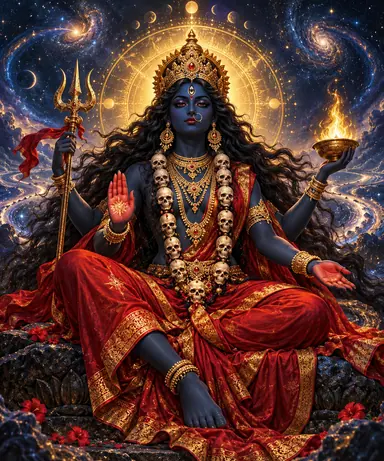
Her Yoga-nidra holds Vishnu asleep and withdraws before his battle.
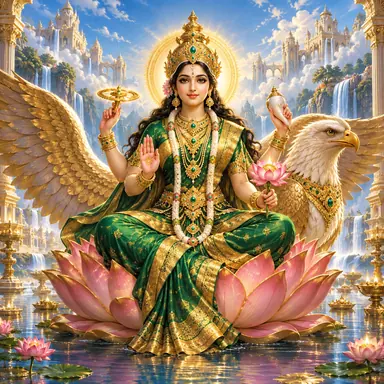
Vaishnavi expresses the deity’s shakti in the Matrika setting.

The Vishnu Purana identifies the cosmic Shesha as a divine form of Vishnu.
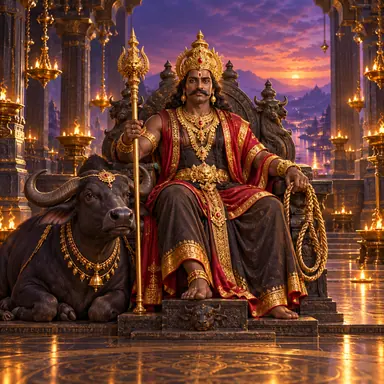
The Bhagavata presents his judgement as subject to the supreme Lord.
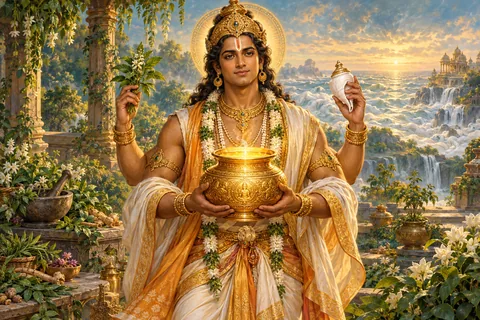
Identified as a divine manifestation in the Bhagavata.

Hari’s discus severs Rahu’s nectar-touched head.
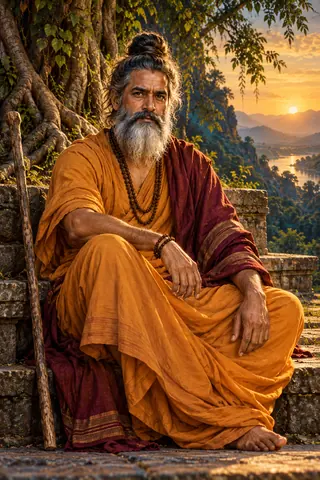
Vishnu’s response completes Bhrigu’s investigation.
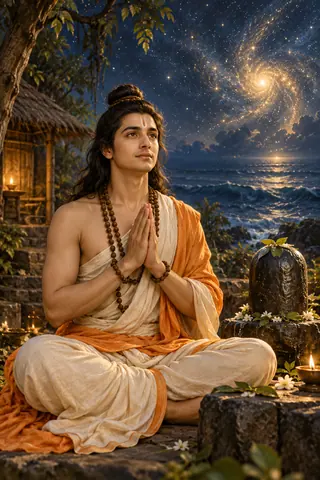
Hari’s power gives rise to the flood and infant vision.

The Bhagavata identifies this Kapila with Vishnu’s descent.
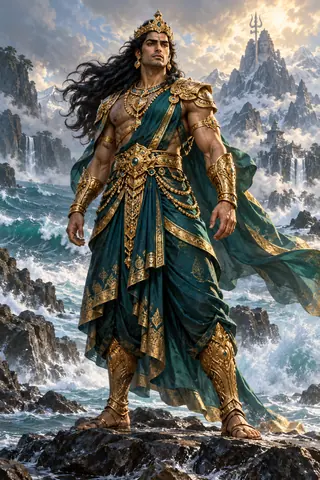
Vishnu fights him and later deceives Vrinda.
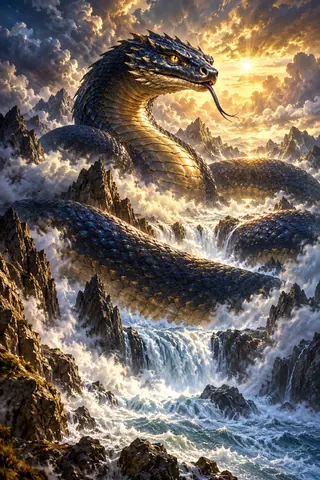
Vritrasura’s prayers place service to Vishnu above victory.

Vishnu restores Huhu’s Gandharva identity.
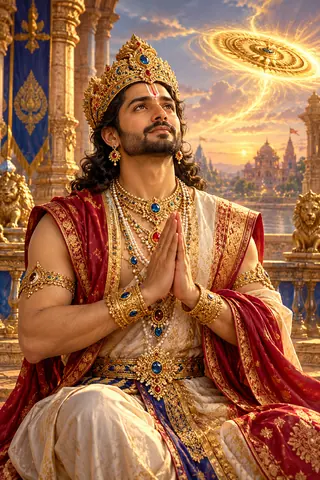
Vishnu directs Durvasa toward reconciliation with the devotee.
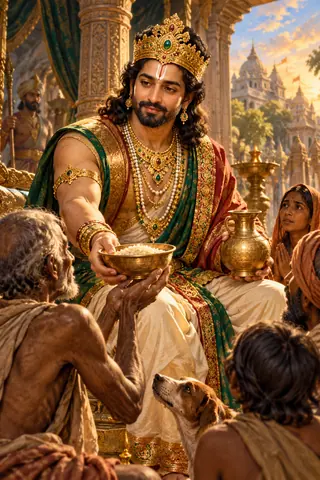
Rantideva’s devotion remains directed to the divine Vasudeva.
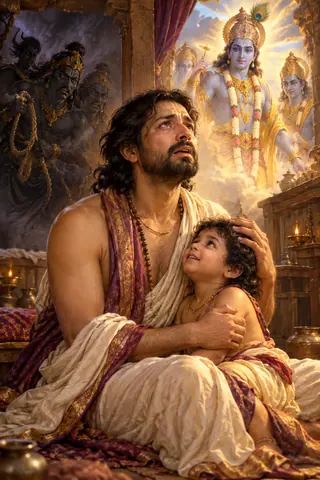
Ajamila consciously turns to Vishnu after the first rescue.
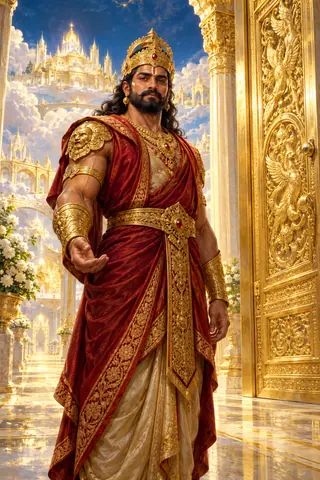
Jaya serves Vishnu and returns to his shelter.
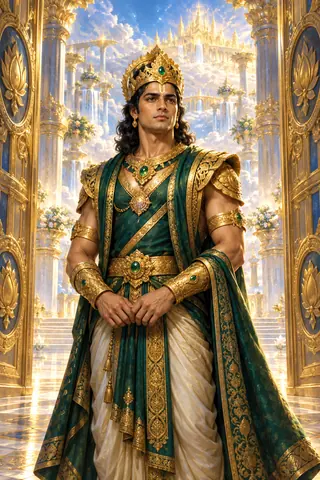
Vijaya belongs to Vishnu’s attendants.
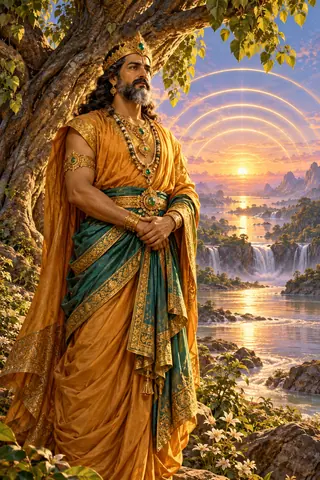
Vishnu appears as Ajita during Chakshusha’s period.
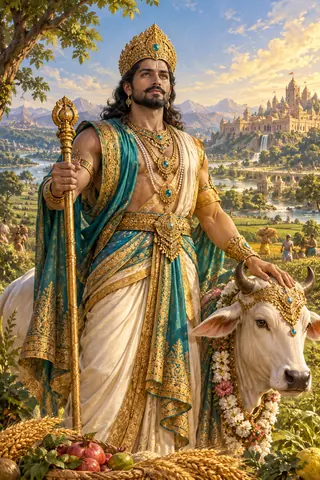
Prithu manifests Vishnu’s potency and receives his counsel.
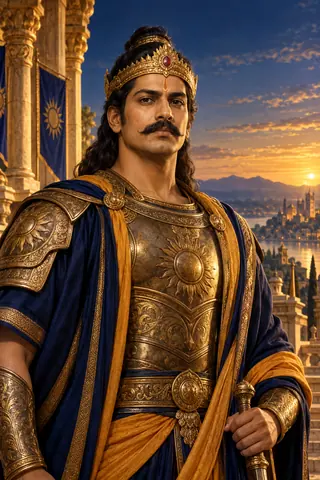
Vishnu directs the alliance and empowers the victory.
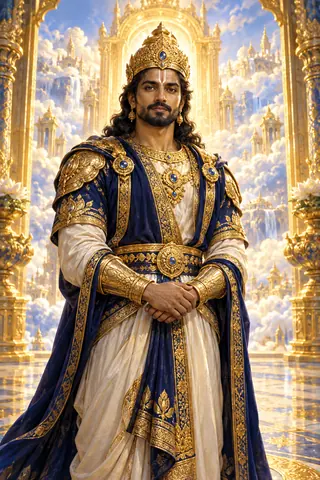
Vishvaksena serves as Vishnu’s gatekeeper and is named among Hari’s attendants.
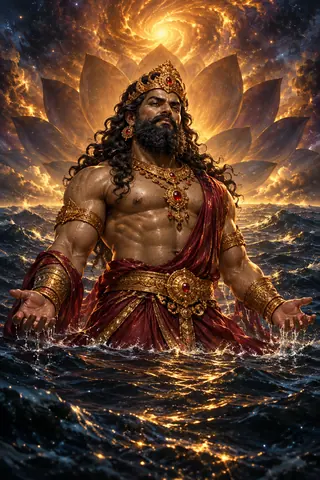
Vishnu kills the pair after securing their consent through a boon.
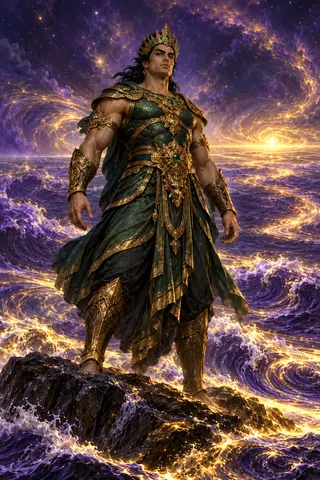
Vishnu fulfils the pair’s condition on his thighs and kills them with his discus.

Vishnu impersonates Tulasi’s husband and receives her curse to become stone.

The Bhagavata traces the river’s sacred origin to Vishnu’s foot.
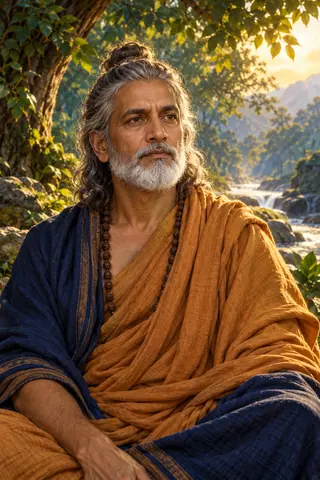
The future restoration follows instruction from the divine Lord Vasudeva, understood here as Vishnu.

Vishnu catches his trident and kills him with it.
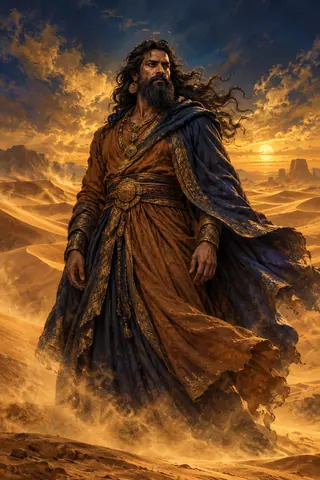
Vishnu strengthens the king who confronts him.
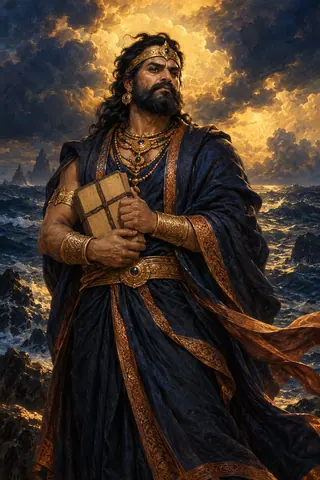
Hari kills the asura and restores the Vedas.
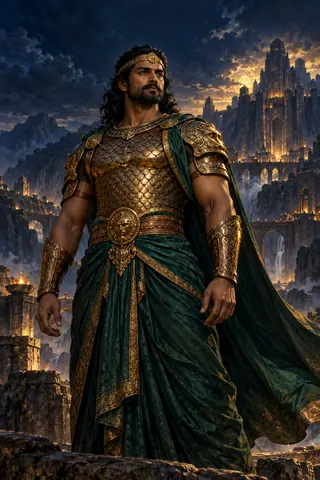
Vishnu kills Mali with the discus during their battle.

The Vishnu Purana presents the formed cosmos within Vishnu’s creation cycle.