01Vritra and the Release of the Waters
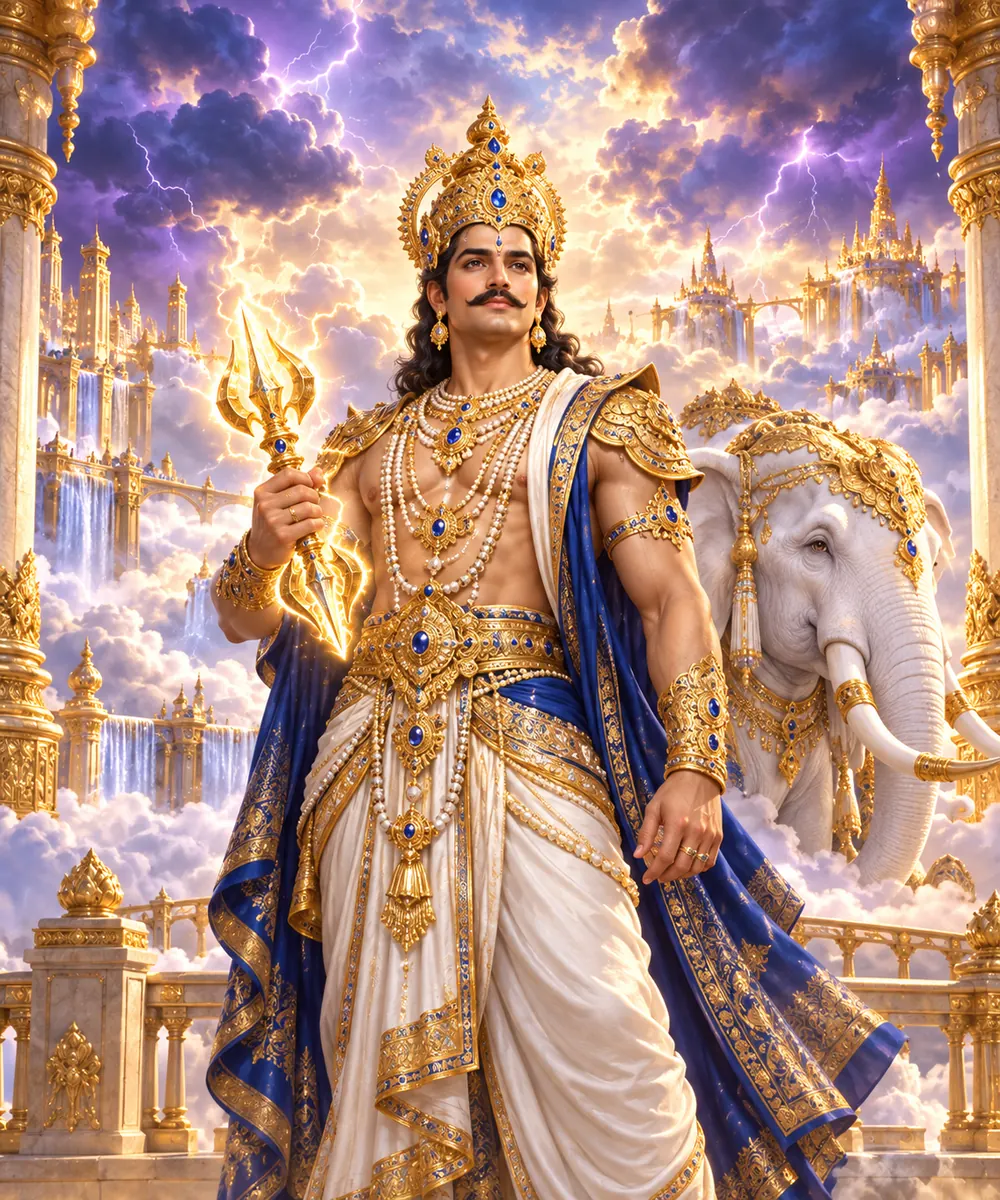
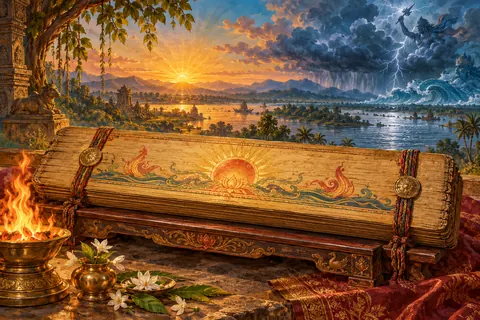
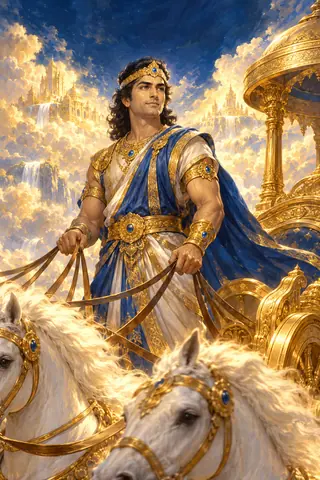
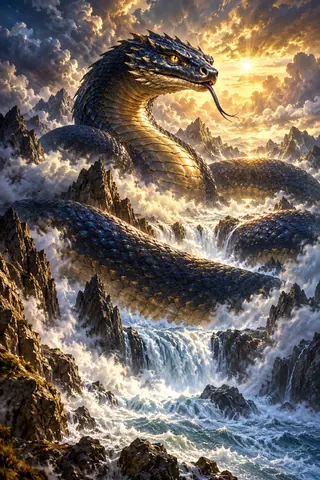
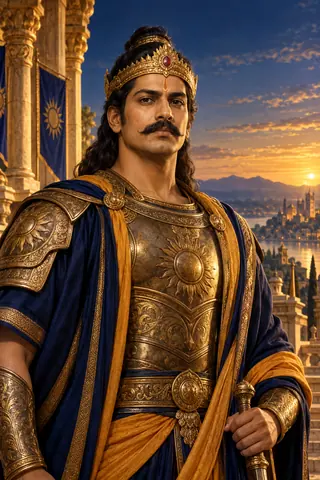
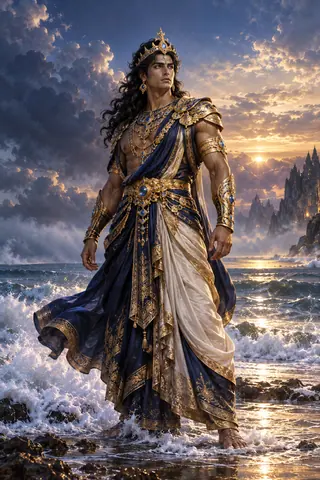
The Rigvedic hymn presents the encounter as a decisive cosmic victory. Vritra lies upon the mountain, holding the waters back; Indra strikes with his thunderbolt, and the released streams rush toward the ocean. The hymn's images link combat to renewed movement and fertility. Its emphasis is the removal of confinement, rather than the later Puranic genealogy and moral history of the combatants.
02A Victory Complicated by Responsibility
The Bhagavata Purana gives Vritra a different narrative setting. Indra kills his priest Vishvarupa after discovering that the priest also assists the asuras. Vishvarupa's father, Tvashtr, responds with a sacrificial act from which Vritra emerges. Indra's opponent is therefore entangled with a killing for which Indra bears responsibility; the conflict is not presented simply as the destruction of a creature with no history.
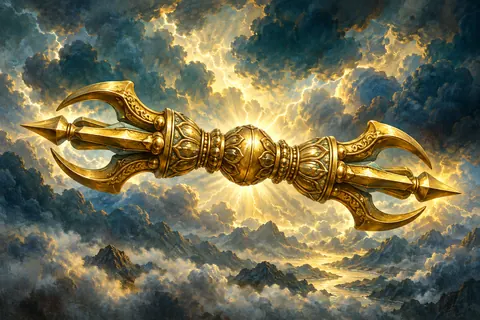
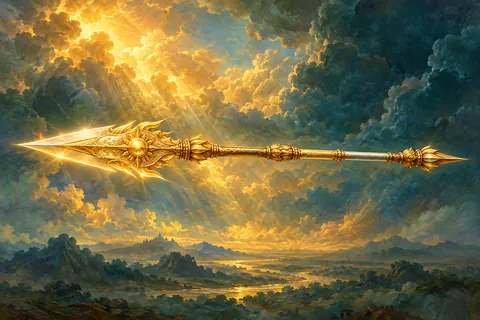
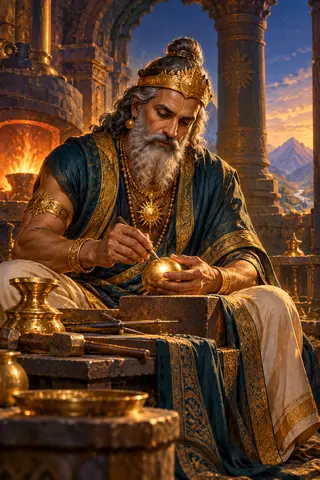
In the following account, the devas seek Dadhichi's bodily remains for the weapon they need. Dadhichi consents to relinquish a body that must eventually perish, and Vishvakarma fashions the thunderbolt from his bones. The story sets Indra's military success beside another being's freely offered sacrifice. It also gives a particular Puranic explanation for his weapon; the Rigvedic hymn instead names Tvashtr as the craftsman.
03Indra Learns from Krishna
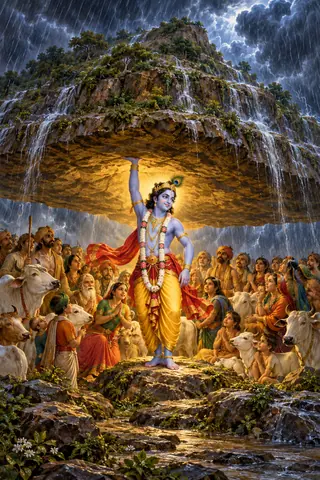
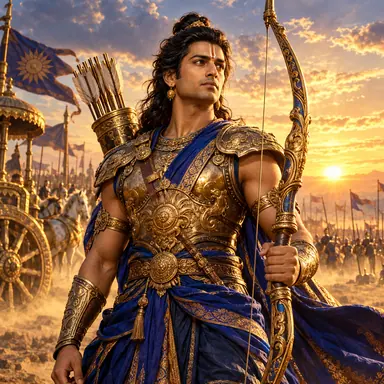
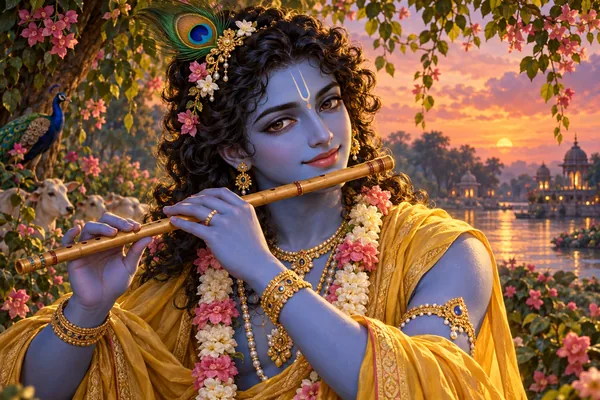
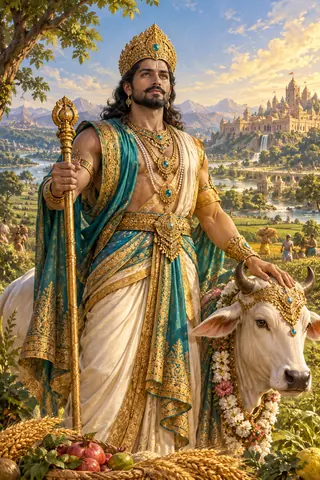
In the Bhagavata's Govardhana cycle, Indra responds angrily when the cowherd community stops its sacrifice to him. Krishna shelters the community beneath Govardhana while the storm continues. The episode questions a ruler's assumption that receiving worship gives him unlimited authority over those dependent upon him. Indra subsequently approaches Krishna in remorse, acknowledges the limits of his power, and is instructed to return to his heavenly office without pride. His correction is followed by restored service, rather than the claim that heaven no longer needs a ruler.
04Durvasa's Garland
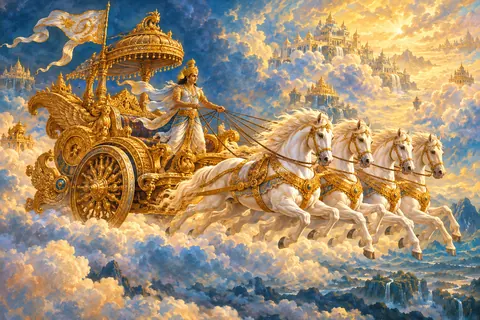
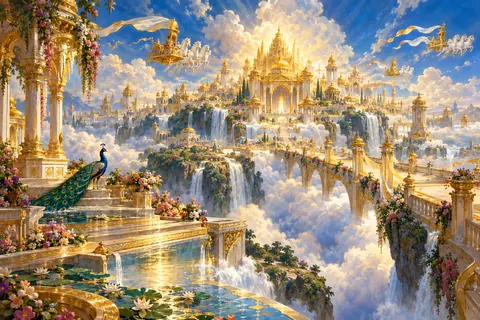
The Vishnu Purana begins its account of the devas' loss of prosperity with Durvasa offering Indra a celestial garland. Indra places it on Airavata, who throws it down. Durvasa understands the treatment of the gift as Indra's arrogance and curses his sovereignty. This version makes disrespect for a sacred gift the prelude to a crisis that leads the devas to seek Vishnu's help.