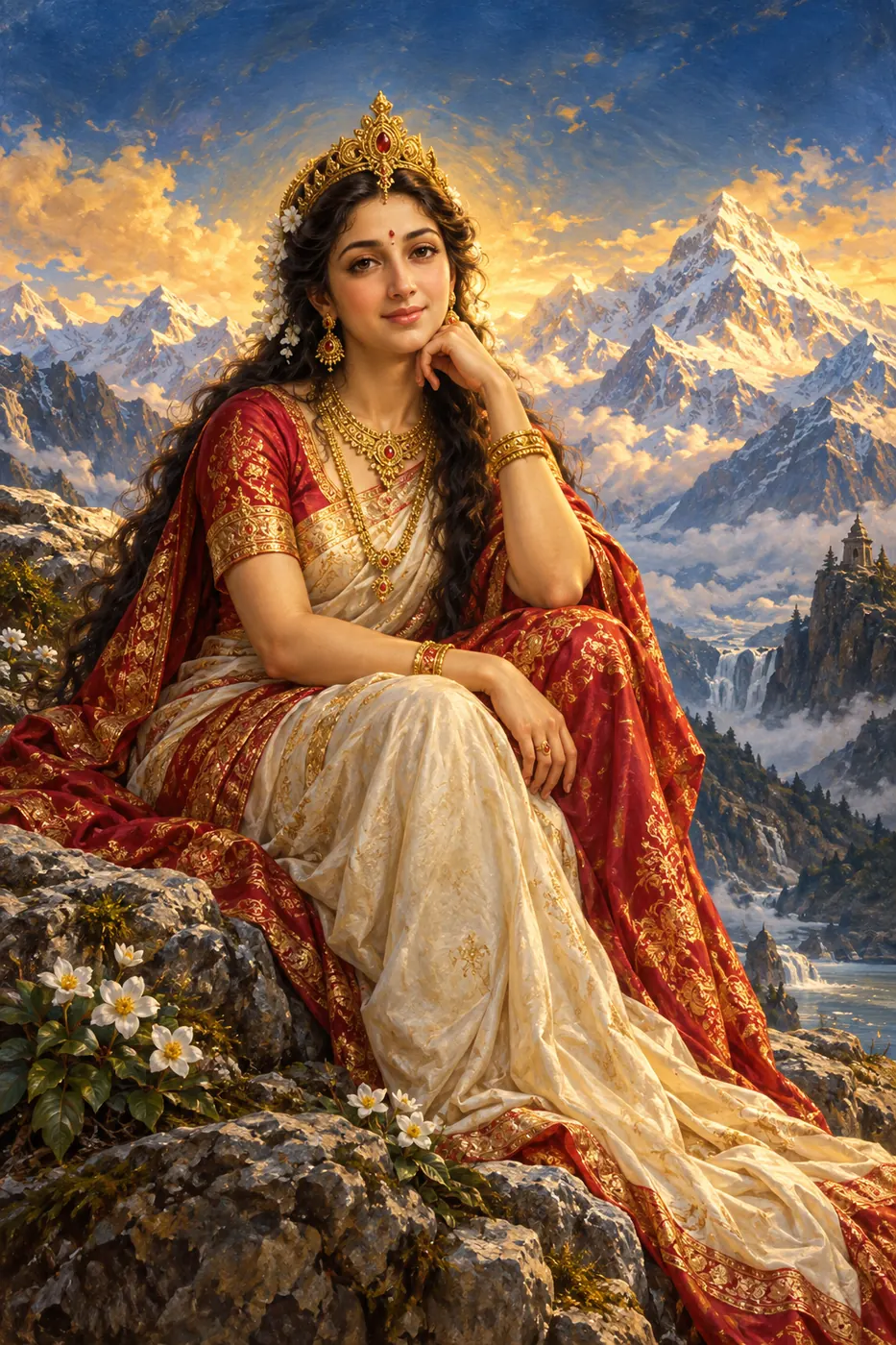
THE LIVING ARCHIVE
About Parvati
The Shiva Purana places her within a mountain household yet gives her a vocation that exceeds its comforts. She seeks permission to leave for austerity, while her mother fears the hardship that awaits her. Her decision makes devotion an act of sustained will. Privileged birth and beauty cannot replace the discipline through which she pursues her chosen purpose.
Her relationship with Shiva also brings together ascetic and household worlds. The Lord who exceeds human lineage enters a wedding conducted by Himavat and Mena. The marriage does not confine him to human limits; it lets cosmic divinity be encountered through kinship, ceremony, and affection. Parvati gives that meeting its emotional and spiritual centre.
More About Parvati
Parvati is Shiva’s consort in Shaiva traditions and a central expression of the Goddess; her stories concern devotion, family and divine power.
AT A GLANCE
Identity & Context
- Identity
- Goddess
- Tradition
- Hindu religious traditions
THE STORY
Life & Stories
ROLE & ESSENCE
Attributes & Significance
Parvati’s importance includes both independent spiritual strength and relationship. Her resolve gives the austerity story its direction; her marriage joins love with a presence beyond worldly categories; her motherhood opens the household into the larger divine narrative. The personal and cosmic dimensions reinforce one another. Affection is neither a distraction from sacred reality nor the whole explanation of her divine identity.
Identity & Religious Role
Parvati is Shiva’s consort in Shaiva traditions and a central expression of the Goddess; her stories concern devotion, family and divine power.
Family & Identity Notes
Follow the linked figures in the identified source; regional expansions are not merged into a universal genealogy.
Tradition Notes
Names and accounts can vary by recension, region and commentary. This entry distinguishes attested details from identifications still requiring a passage-level source.
Archive Classification Notes
Original archive annotations are retained here. The current playable classification is shown in the side panel.
- Tradition Dependence
- High — compare the identified textual or regional account.
- Editorial Status
- Ranked character reference profile in the 720-character editorial roster.
TRADITION & MEANING
Traditions & Interpretations
Parvati is closely associated with the names Uma and Gauri and with Shakti, the Goddess as divine power. Individual forms retain particular settings, and Puranic accounts differ in the details of births and family events. The related traditions do not supply one shared, literal human chronology.
The tension between comfort and chosen discipline makes her story distinctive. Her austerity is her own undertaking, and the resulting union follows commitment rather than the automatic privilege of divine birth.
From the Sacred Texts
Explore the sacred texts behind these stories in the Suvarnaveda library.
FOLLOW THE THREADS
Connected Cards
42 connected profiles. Every path leads to an original record.
Weapons1

Parvati gives the Vel to Murugan in the Palani tradition account.
The Sacred Library5
Uma Haimavati reveals the source of the gods’ victory.

Parvati initiates the dialogue by asking how suffering beings may be freed.
Parvati asks about the Goddess’s worship and related duties.
Earthly Sacred Locations7



Parvati accompanies Shiva in the origin account.

The shrine identifies its maiden Goddess with Parvati.

Parvati asks Shiva about the city and its shrine.

Uma hears Shiva’s teaching and adopts the boy who becomes Siddhanatha.

Parvati grants Daruka’s boon and protects the continuation of her line.
Realms & Cosmic Worlds2


Bhavani accompanies Shiva in Vitala.
Characters & Cosmic Entities27
Bhavani accompanies Shiva in the poison episode.
Parvati creates him and requires his restoration and honour.
Welcomes her son at Kailasa after his victory.
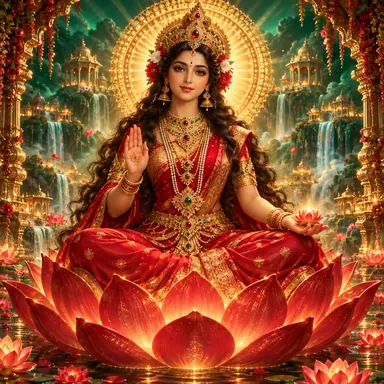
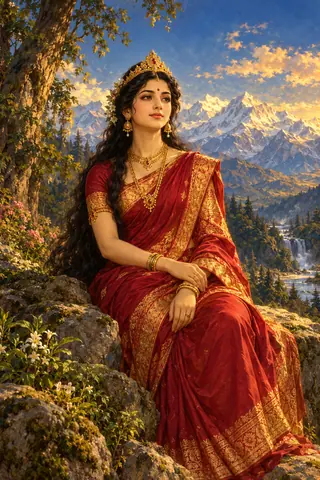
The Bhagavata connects Sati’s subsequent birth with Himavat and Mena.

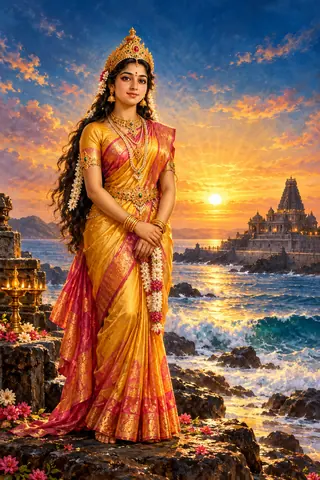
The regional tradition identifies Kumari Amman with Parvati.
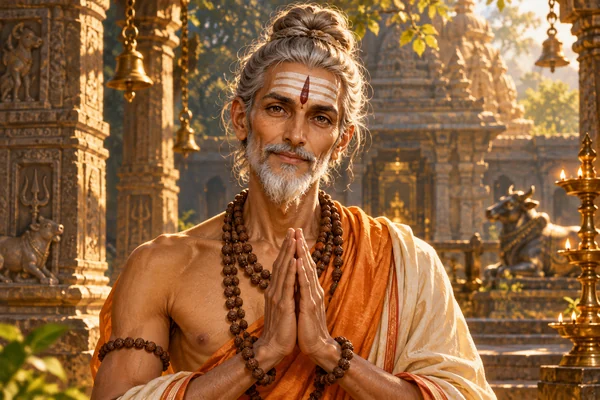
Parvati challenges his notion of difference and makes him fleshless.
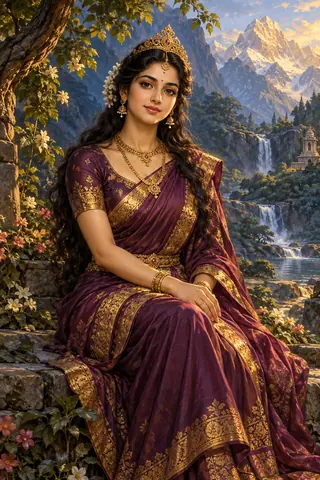
Parvati obtains and names her daughter through the wish-granting tree.

Explains Shiva’s transcendent nature at the marriage.
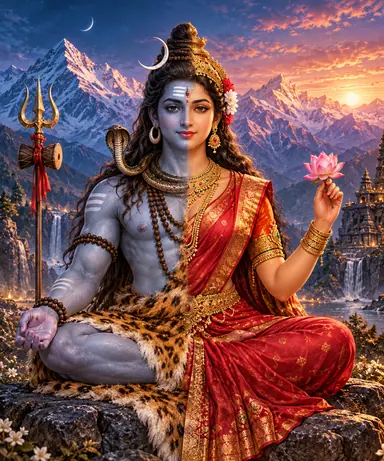
The Goddess’s union with Shiva is central to the form.
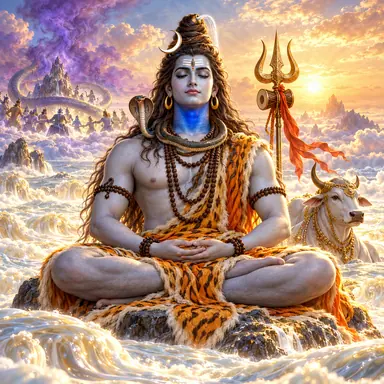
Bhavani is present when Shiva chooses to protect living beings.
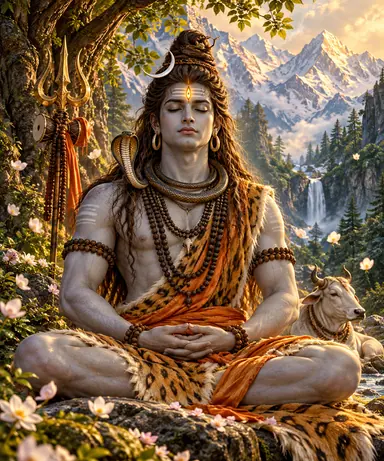
The encounter occurs in the narrative leading toward Shiva’s marriage to Parvati.
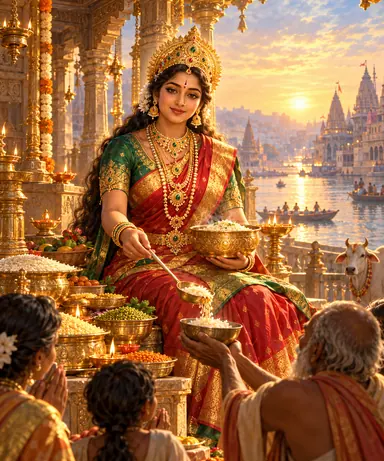
Annapurna hymns explicitly address her as Parvati, Girija and Uma.
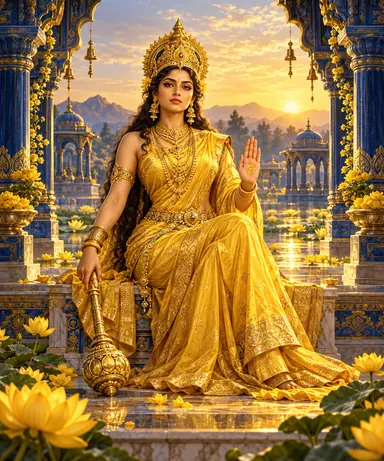
Her name-hymn identifies the goddess with Parvati and Uma.
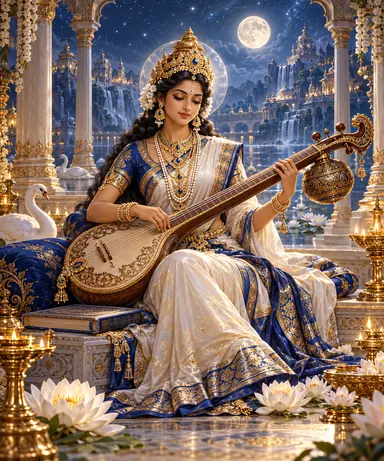
The final-episode Goddess emerges from Parvati’s bodily sheath.
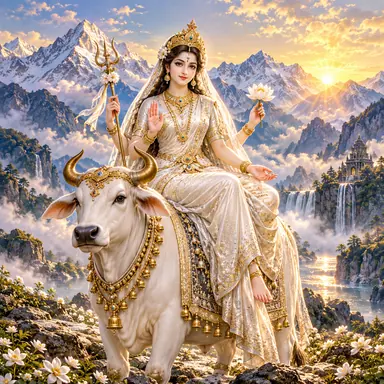
Gauri names a form of the mountain daughter in Shaiva narrative.
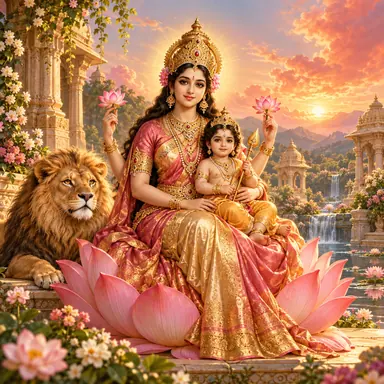
Parvati’s maternal relationship is foregrounded in this form.
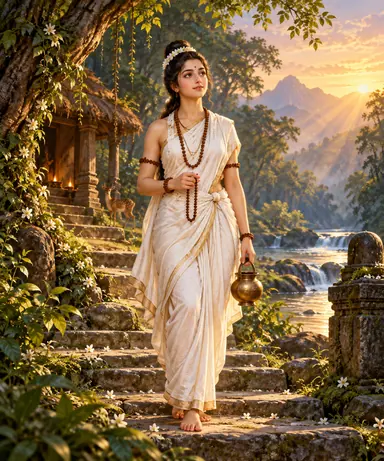
Parvati’s tapas provides the narrative setting for this ascetic aspect.
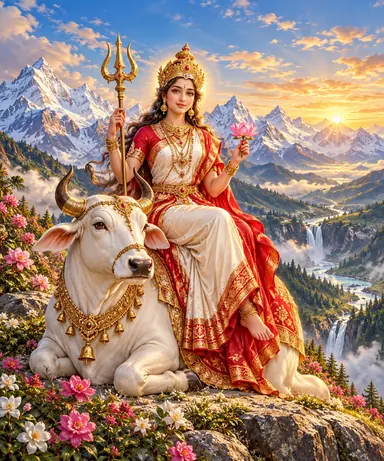
The mountain-daughter identity links this form with Parvati.

Kamakshi is identified with Parvati in the Kanchi sacred tradition.
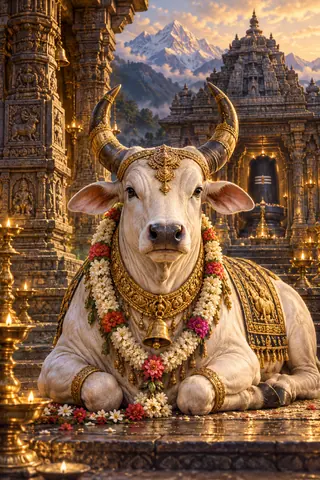
Accepts Nandishvara as a beloved son in the coronation narrative.
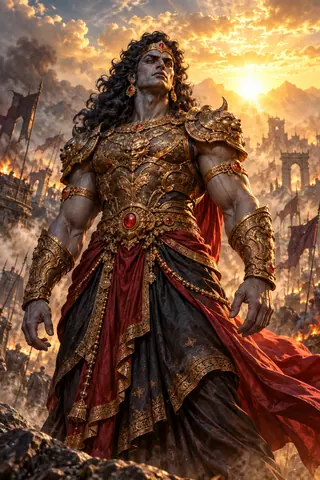
Parvati’s son becomes the commander who kills Taraka.
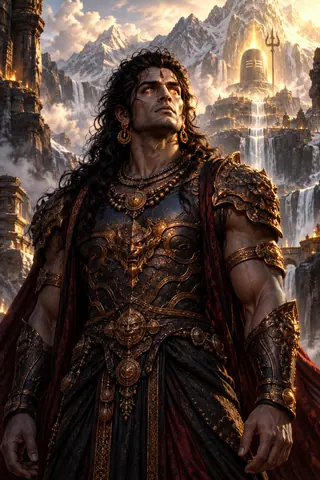
Andhaka asks to regard Parvati with the reverence due to his mother.
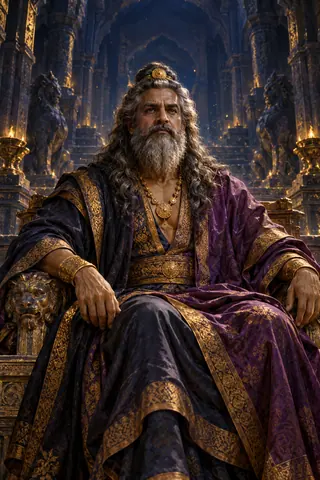
Parvati’s compassion prompts the rescue and her boon accompanies it.
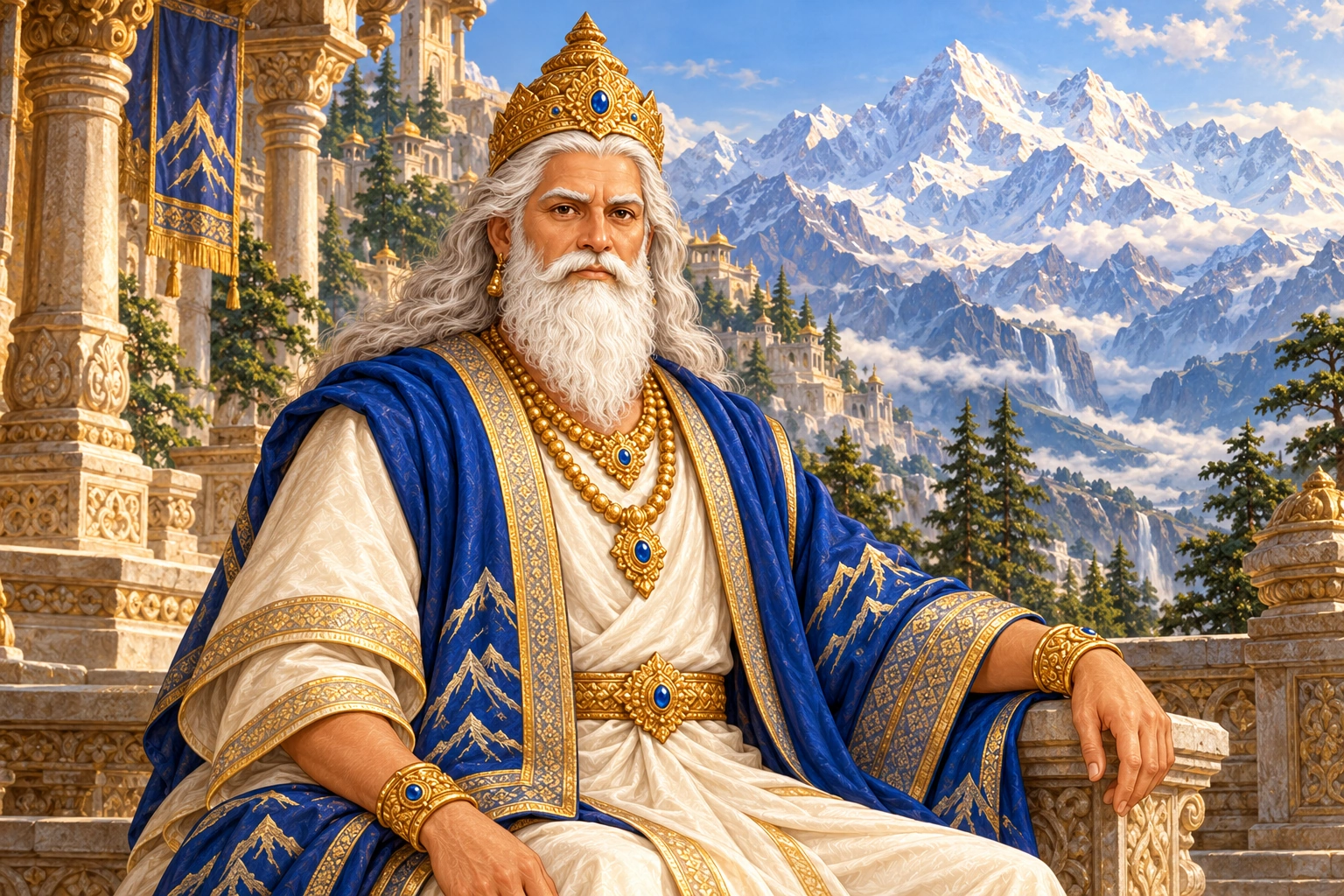
Parvati is his daughter and the goddess welcomed into his household.

Parvati is the daughter whose birth fulfills the goddess’s promise.