THE LIVING ARCHIVE
About Shiva
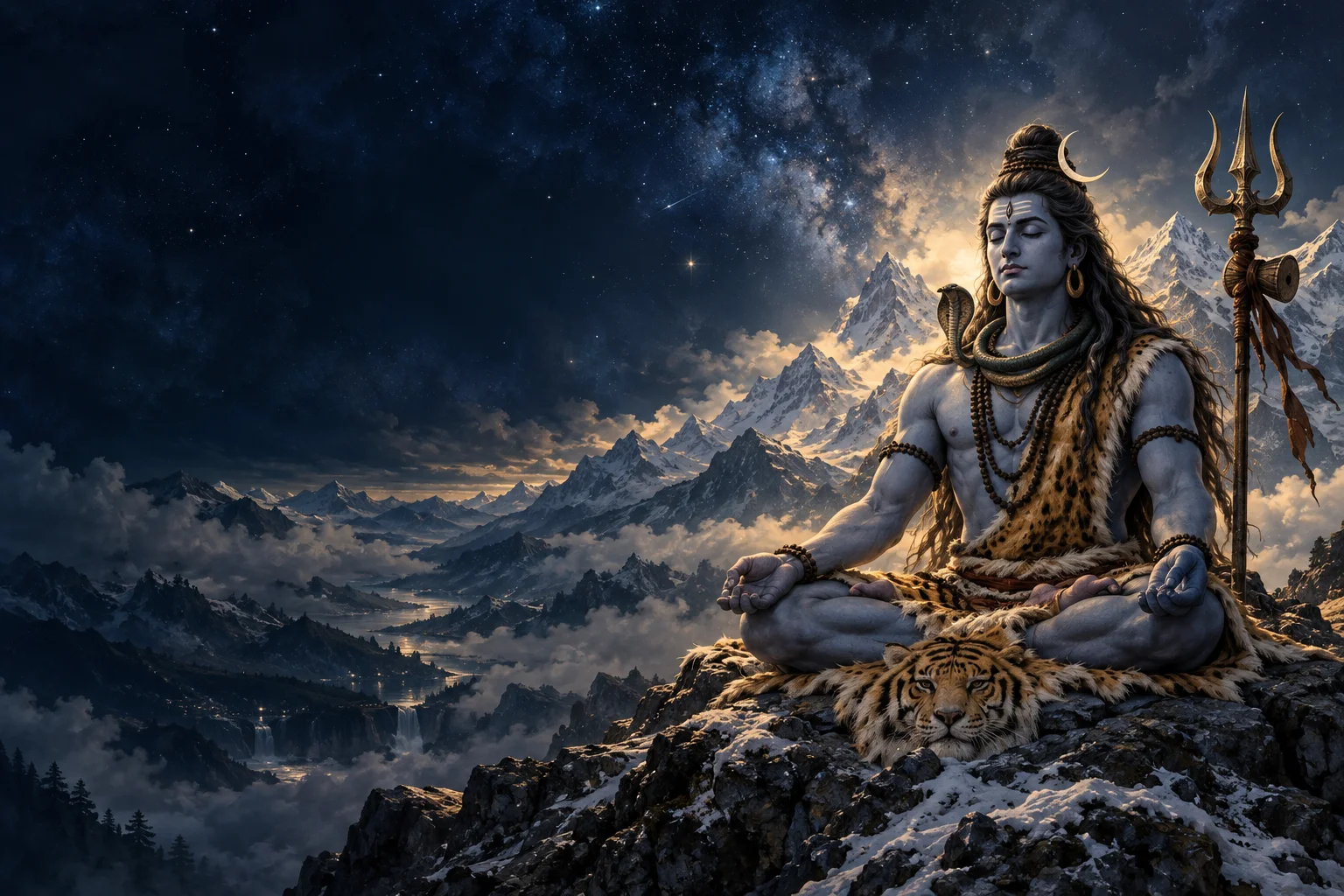
Shiva is a major deity worshipped as supreme in Shaiva traditions. He is associated with ascetic discipline, spiritual freedom, the dissolution of the cosmos and protection of living beings. His stories also place him in family life with his consort and attendants. These roles explain why describing Shiva only as a destroyer gives an incomplete picture of his worship and character.
The Shvetashvatara Upanishad praises Rudra as the Lord who brings forth and gathers in the worlds, while asking him to be gracious toward humans and animals. Puranic stories describe Shiva on Kailasa with Bhavani, a name of the Goddess, approached by those seeking liberation. His immense power and his compassion are both central to these accounts.
AT A GLANCE
Identity & Context
- Identity
- Deity
- Form
- Supreme cosmic deity
- Tradition
- Shaiva · Puranic
- Also Known As
- Śiva · Mahadeva · Shankara
- World & Associations
- Kailasa; other Shaiva domains
Family & Relationships
- ConsortParvati
Bhavani accompanies Shiva in the poison episode.
- ConsortSati
- Child by Divine BirthGanesha
- Child by Divine BirthKartikeya
- ConsortParvati
Shaiva consort association.
- ChildAshokasundari
- OpponentAndhaka
- OpponentJalandhara
Family Context
These relationships follow the traditions described here. Some details remain uncertain and should not be treated as a single universal genealogy.
THE STORY
Life & Stories
Story Connections
- Destruction of Tripura
- Marriage to Parvati
- Cosmic dance
ROLE & ESSENCE
Attributes & Significance
Shiva’s stories connect spiritual detachment with concern for living beings. He can remain apart from royal ambition and still respond when the world faces disaster. Taking the ocean’s poison is a clear example of this protective role. His worship therefore includes the search for liberation as well as prayers for compassion and safety.
Role
Deity of transformation, asceticism, grace, and dissolution; supreme in Shaiva traditions.
Attributes & Abilities
- Dissolution
- Yoga
- Boons
- Transformation
Visual Identity
In the Nataraja form, Shiva dances within a ring of flame, holding a drum and fire and making a gesture of reassurance. The Metropolitan Museum of Art identifies these features in its Chola-period sculpture. This description concerns the dancing form, rather than every image of Shiva.
TRADITION & MEANING
Traditions & Interpretations
Shaiva traditions worship Shiva as supreme, while Vaishnava and Shakta traditions explain the great deities within different theological accounts. Rudra, Shiva and Sadashiva can also emphasize different aspects of the divine within one tradition.
Shiva’s fearsome forms and his acts of protection belong to the same broad devotional picture. Taking the ocean’s poison protects living beings, while prayers to Rudra ask that his immense power be gracious. These accounts help explain how devotees approach him for both protection and liberation.
Shaiva texts give Shiva supreme sourcehood; Vaishnava and Shakta narratives arrange divine relationships differently. The shared figures do not make their theological frameworks identical. Rudra, Shiva, and Sadashiva can also carry different emphases within a single tradition.
The editorial classification does not establish the outcome of a hypothetical duel.
From the Sacred Texts
Explore the sacred texts behind these stories in the Suvarnaveda library.
FOLLOW THE THREADS
Connected Cards
143 connected profiles. Every path leads to an original record.
Astras2
Shiva gives and teaches the Pashupata.

Shiva grants Vishvamitra the comprehensive weapon knowledge preceding the attack.
Weapons8

Shiva’s own weapon provides the model for the shula he gives the Goddess.
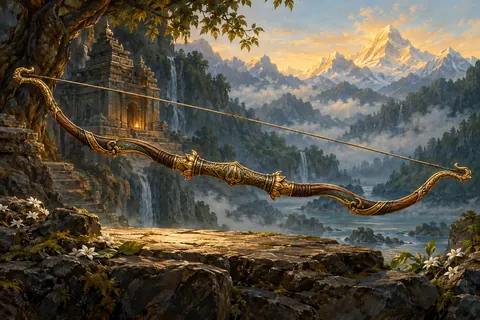
The bow belongs to Shiva’s history.
Shiva grants the sword with a warning against disrespect.

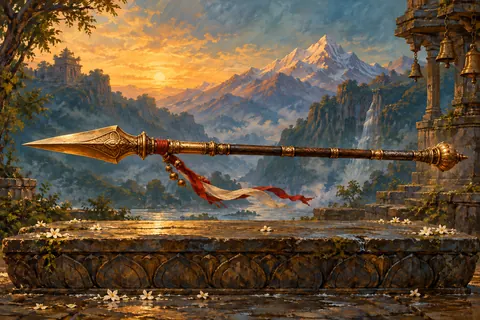
Shiva gives the Goddess a shula drawn from his own.

Rudra receives the sword from Brahma.
Artifacts, Divine Treasures & Relics5
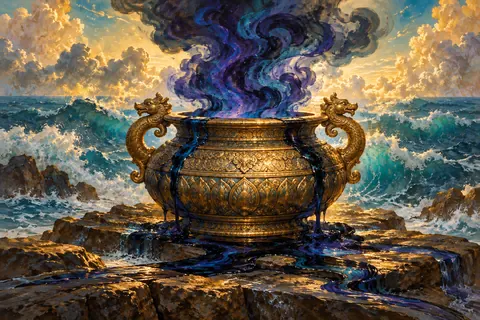
Shiva drinks the poison to protect living beings.
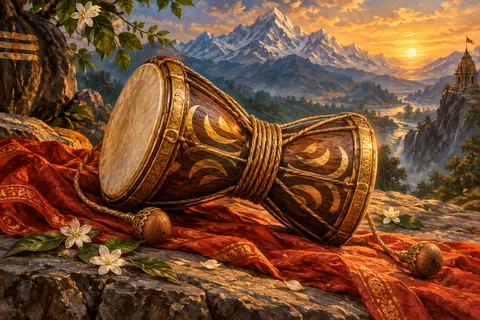
Shiva’s forms carry and sound the drum.
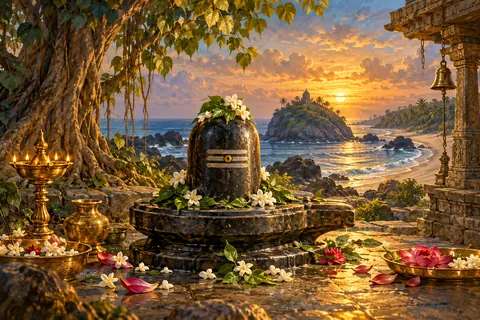
The linga is worshipped as Shiva at Gokarna.
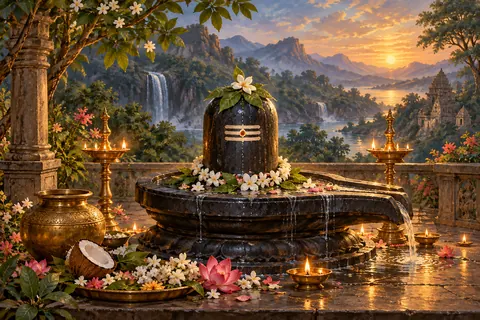
The Linga is a focus of devotion to Shiva.
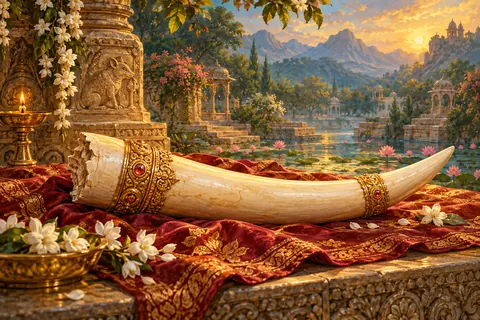
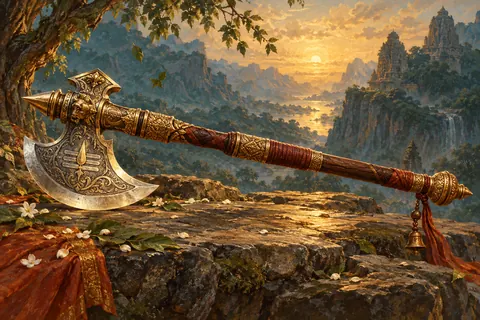
Ganesha recognises the axe as his father’s gift.
The Sacred Library11

The text uses Shiva for the all-pervading divine presence.

Shiva is the focus of devotion and the spiritual goal of the teaching.
The Linga signifies Shiva and receives worship directed to him.

Skanda says he received the teaching from his father Shiva.
The Kamika presents Shiva as the revealer and central object of its teaching and worship.
Shiva answers Parvati’s questions concerning bondage and liberation.
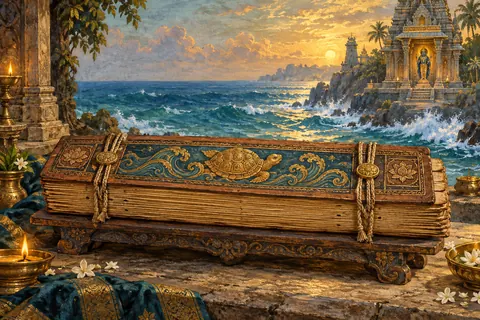
Shiva teaches the sages in the Ishvara Gita.

Shiva and Sati appear in the opening narrative.

Shiva recounts Sati’s death and explains the sacred landscape to Vetala and Bhairava.
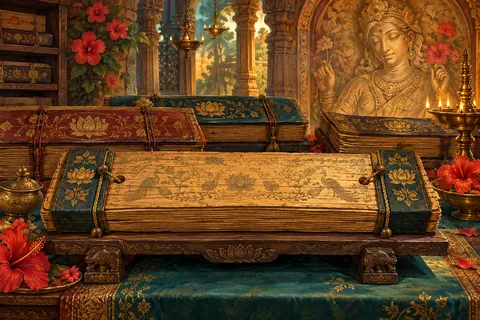
Shiva answers the Goddess’s questions in the Mahanirvana passages discussed here.
Earthly Sacred Locations25
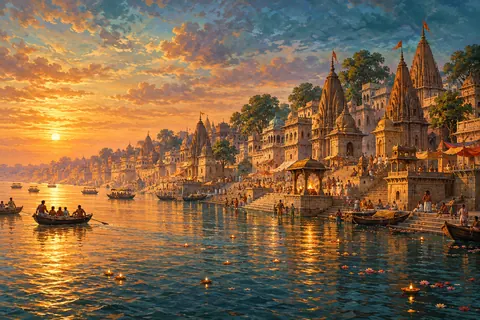
The Purana describes Kashi as Shiva’s protected city.

Shiva bears and releases the descending waters.
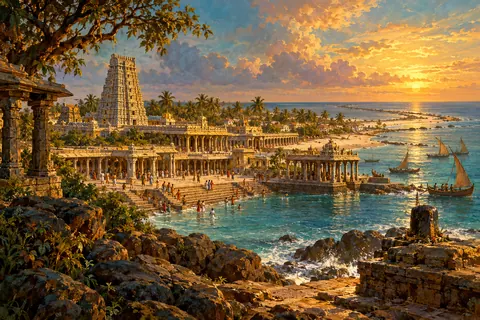
Shiva is worshipped as Ramanathaswamy or Rameshvara.

Shiva makes Kailasa a place of meditation, teaching and divine play.
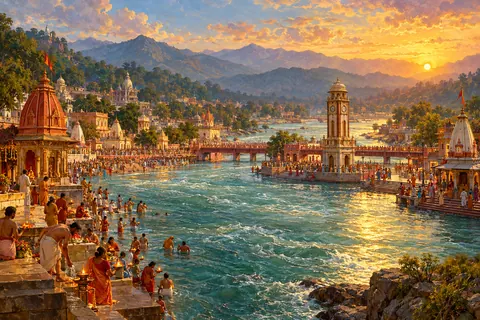
Shiva creates Virabhadra and later restores the sacrifice after Brahma’s prayer.

Shiva is worshipped as Kedareshvara.
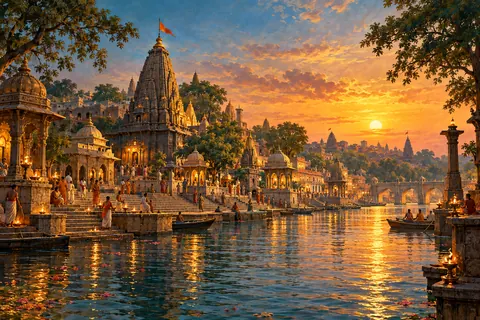
Shiva protects Avanti as Mahakala.

Mahabaleshwara is worshipped as Shiva’s presence in the Atmalinga.
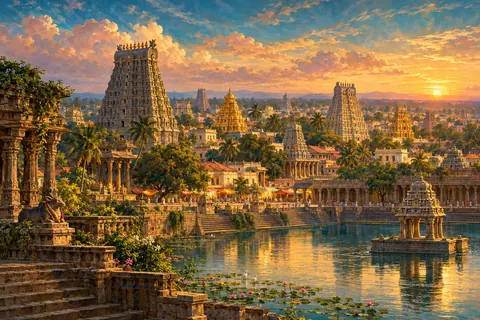
Shiva is worshipped at Ekambareswarar and Kailasanathar.
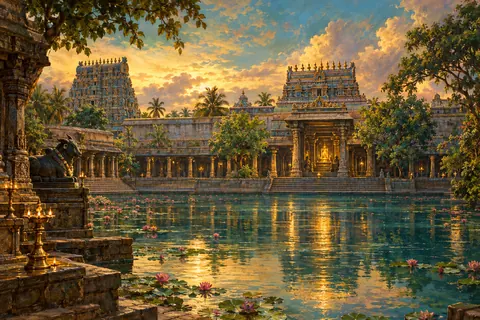
Chidambaram worships Shiva through the dance and the sacred association with space.
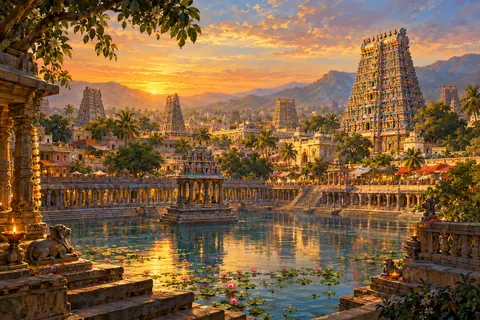
Sundareswarar is Shiva’s local temple identity.
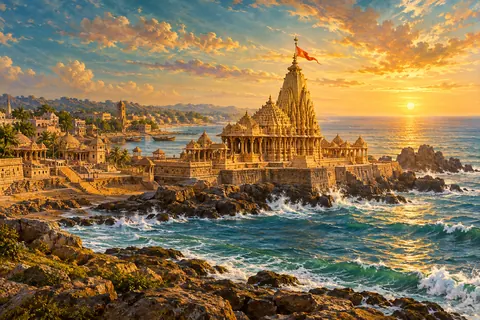
Shiva is worshipped as Somnath or Someshvara.

Shiva is worshipped in the linked Omkareshwar and Mamaleshwar shrines.

Shiva remains as Tryambaka alongside Gautami.
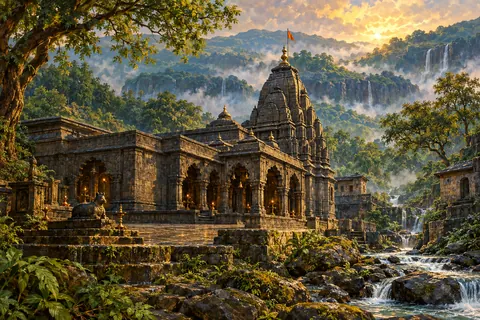
Shiva appears to protect Sudakshina and remains as Bhimashankara.
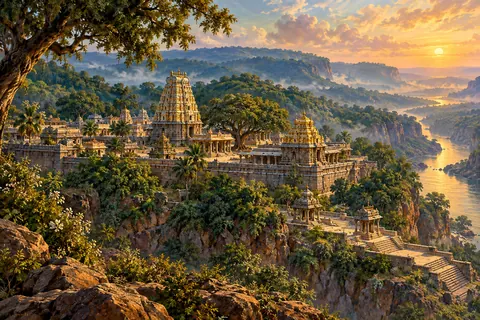
Mallikarjuna is the major Shiva identity worshipped here.
Shiva restores Ravana, grants the linga and is worshipped as Vaidyanatha.
Shiva protects Supriya and remains as Nageshvara.
Shiva remains in response to Ghushma’s request.
Shiva is worshipped as Vishwanath or Vishveshvara.
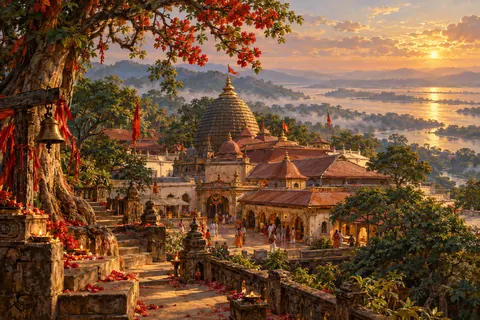
Shiva teaches Uma in the Siddhanatha account attached to Kamaksha.

Shiva receives Ganga’s descent and releases her after Bhagiratha’s renewed austerities.
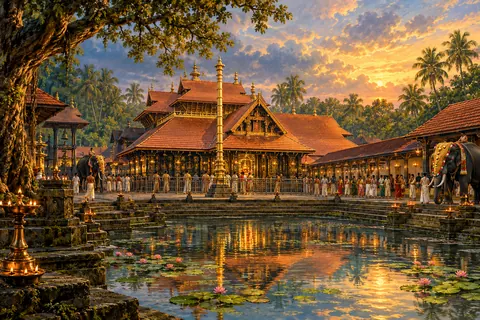
The foundation tradition places Shiva at the lake before the image’s installation and connects him with nearby Mammiyoor.

Shiva turns back from the intended marriage after hearing Narada’s false dawn call.
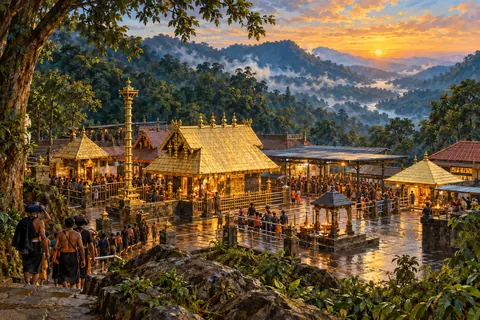
The temple’s Ayyappa tradition describes him as Shiva’s son.
Realms & Cosmic Worlds4
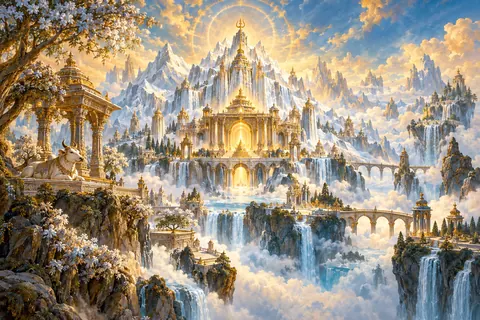
Kailasa is Shiva’s abode in this account.

Shiva resides in Vitala as Hatakeshvara.
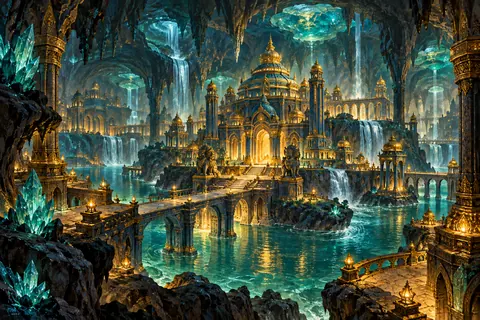
Shiva grants Maya protection after destroying the three cities.

Shiva drinks the poison released during the churning.
Stories & Events5


Shiva protects the world by drinking the poison.
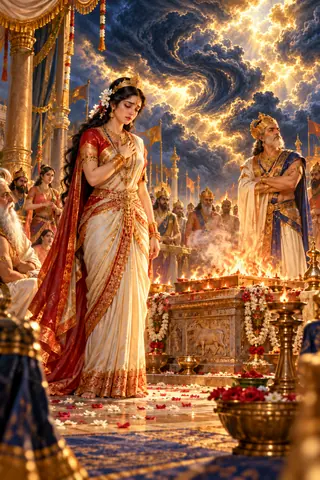
Shiva sends Virabhadra and later grants reconciliation.

Shiva releases the decisive single arrow.
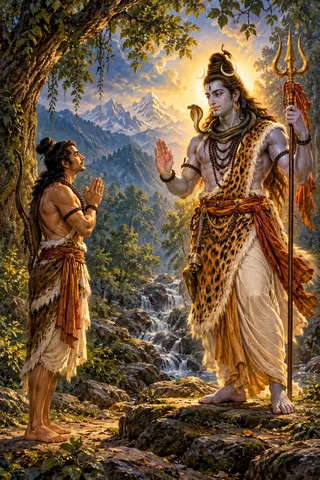
Shiva encounters Arjuna in a hunter’s form.
Characters & Cosmic Entities83
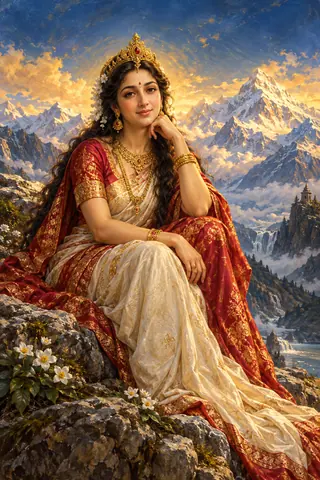
Bhavani accompanies Shiva in the poison episode.

Sati’s relationship with Shiva is central to Daksha’s sacrifice.
His sacrifice is destroyed during the conflict involving Shiva’s attendants.
Sabarimala tradition calls Ayyappa the son of Shiva and Mohini.

Sundareswarar is Shiva’s form worshipped beside Meenakshi in Madurai.
Bhringi defends his lord during the dice dispute.
Shiva recognizes the restored Ganesha as his son.
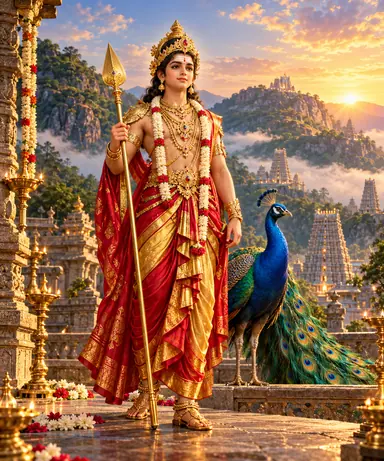
Kartikeya is the son whose coming answers the divine need.

Ashokasundari identifies Shiva as her father.
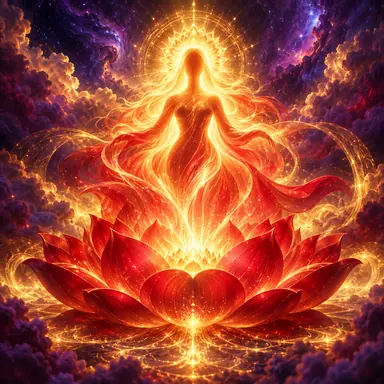
Dissolving capacity depends upon Shakti in this account.

Rudra brings forth Hiranyagarbha in the Shvetashvatara.
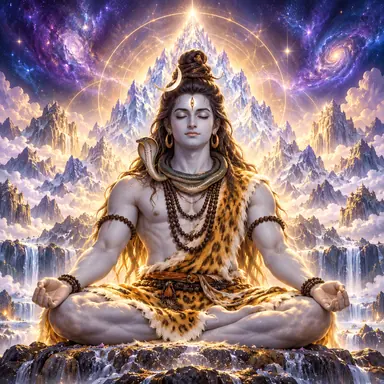
The Shaiva account describes transcendent reality manifesting as Sadashiva.