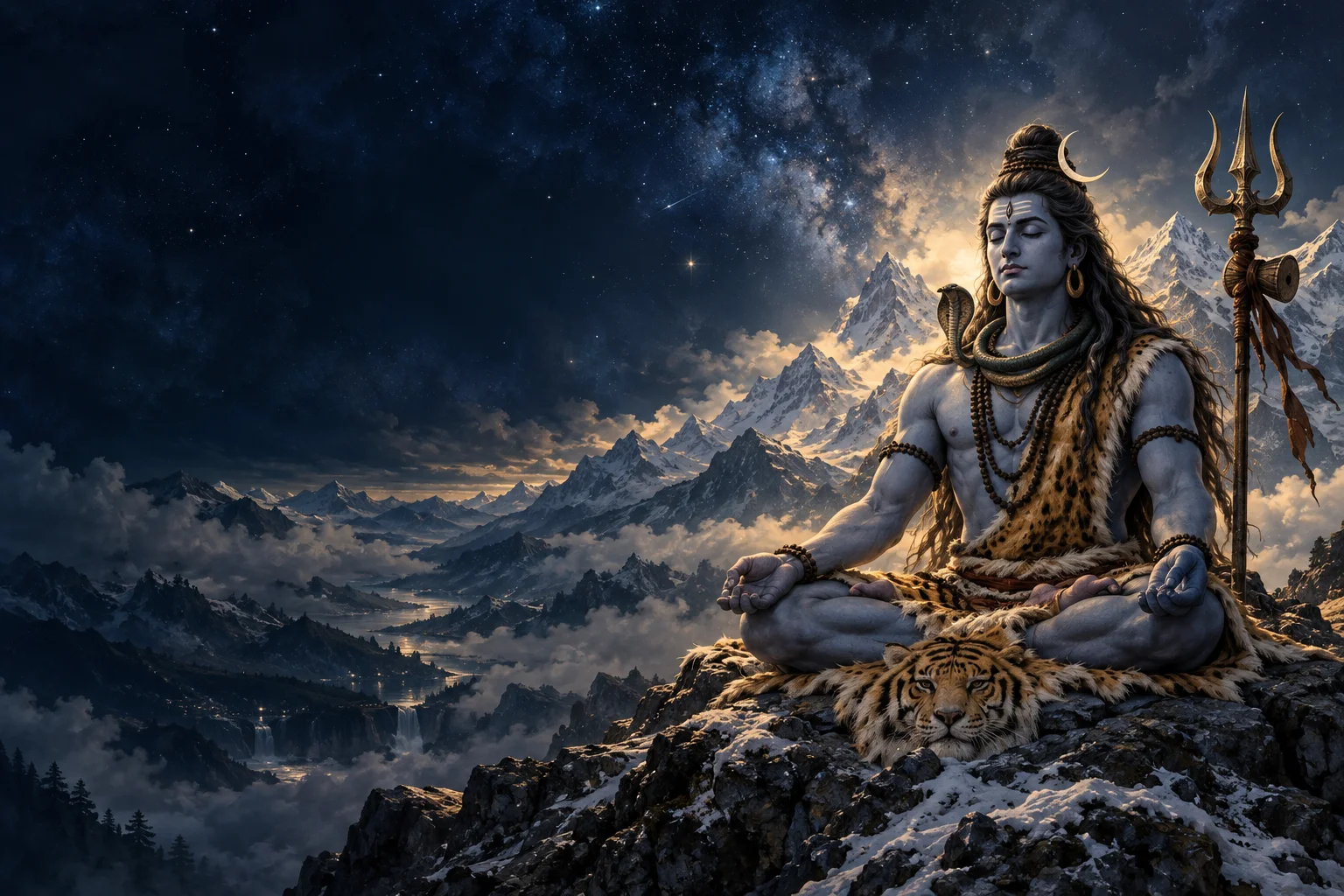
THE LIVING ARCHIVE
About Shiva
Shiva is a major deity worshipped as supreme in Shaiva traditions. He is associated with ascetic discipline, spiritual freedom, the dissolution of the cosmos and protection of living beings. His stories also place him in family life with his consort and attendants. These roles explain why describing Shiva only as a destroyer gives an incomplete picture of his worship and character.
The Shvetashvatara Upanishad praises Rudra as the Lord who brings forth and gathers in the worlds, while asking him to be gracious toward humans and animals. Puranic stories describe Shiva on Kailasa with Bhavani, a name of the Goddess, approached by those seeking liberation. His immense power and his compassion are both central to these accounts.
AT A GLANCE
Identity & Context
- Identity
- Deity
- Form
- Supreme cosmic deity
- Tradition
- Shaiva · Puranic
- Also Known As
- Śiva · Mahadeva · Shankara
- World & Associations
- Kailasa; other Shaiva domains
Family & Relationships
- ConsortParvati
Bhavani accompanies Shiva in the poison episode.
- ConsortSati
- Child by Divine BirthGanesha
- Child by Divine BirthKartikeya
- ConsortParvati
Shaiva consort association.
- ChildAshokasundari
- OpponentAndhaka
- OpponentJalandhara
Family Context
These relationships follow the traditions described here. Some details remain uncertain and should not be treated as a single universal genealogy.
THE STORY
Life & Stories
Story Connections
- Destruction of Tripura
- Marriage to Parvati
- Cosmic dance
ROLE & ESSENCE
Attributes & Significance
Shiva’s stories connect spiritual detachment with concern for living beings. He can remain apart from royal ambition and still respond when the world faces disaster. Taking the ocean’s poison is a clear example of this protective role. His worship therefore includes the search for liberation as well as prayers for compassion and safety.
Role
Deity of transformation, asceticism, grace, and dissolution; supreme in Shaiva traditions.
Attributes & Abilities
- Dissolution
- Yoga
- Boons
- Transformation
Visual Identity
In the Nataraja form, Shiva dances within a ring of flame, holding a drum and fire and making a gesture of reassurance. The Metropolitan Museum of Art identifies these features in its Chola-period sculpture. This description concerns the dancing form, rather than every image of Shiva.
TRADITION & MEANING
Traditions & Interpretations
Shaiva traditions worship Shiva as supreme, while Vaishnava and Shakta traditions explain the great deities within different theological accounts. Rudra, Shiva and Sadashiva can also emphasize different aspects of the divine within one tradition.
Shiva’s fearsome forms and his acts of protection belong to the same broad devotional picture. Taking the ocean’s poison protects living beings, while prayers to Rudra ask that his immense power be gracious. These accounts help explain how devotees approach him for both protection and liberation.
Shaiva texts give Shiva supreme sourcehood; Vaishnava and Shakta narratives arrange divine relationships differently. The shared figures do not make their theological frameworks identical. Rudra, Shiva, and Sadashiva can also carry different emphases within a single tradition.
The editorial classification does not establish the outcome of a hypothetical duel.
From the Sacred Texts
Explore the sacred texts behind these stories in the Suvarnaveda library.
FOLLOW THE THREADS
Connected Cards
143 connected profiles. Every path leads to an original record.
Astras2
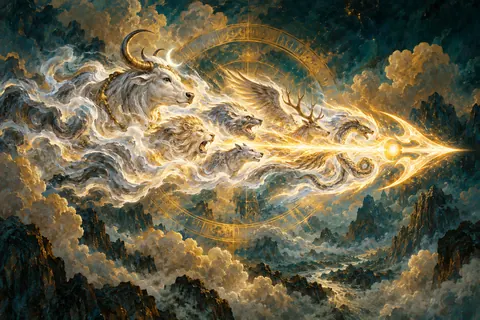
Shiva gives and teaches the Pashupata.

Shiva grants Vishvamitra the comprehensive weapon knowledge preceding the attack.
Weapons8

Shiva’s own weapon provides the model for the shula he gives the Goddess.
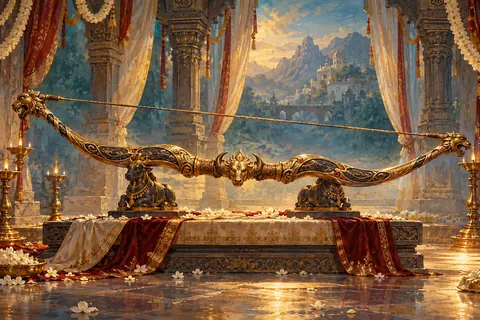
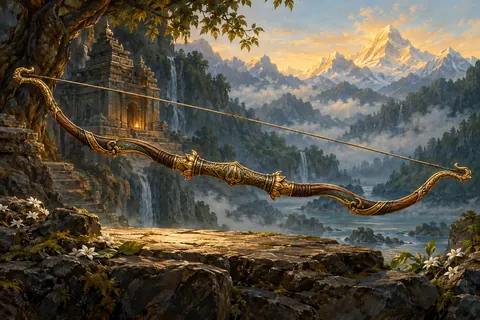
The bow belongs to Shiva’s history.
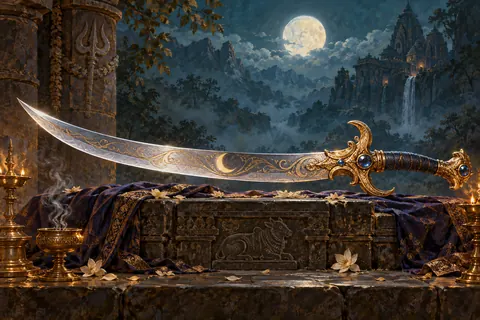
Shiva grants the sword with a warning against disrespect.

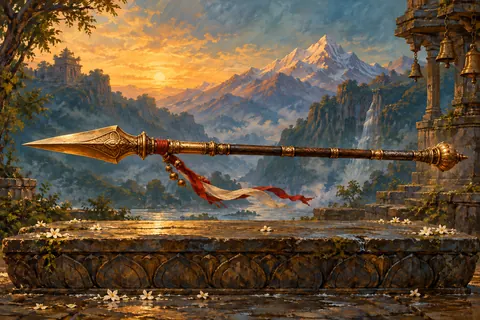
Shiva gives the Goddess a shula drawn from his own.
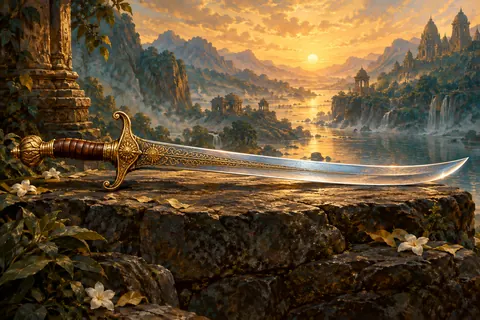
Rudra receives the sword from Brahma.
Artifacts, Divine Treasures & Relics5
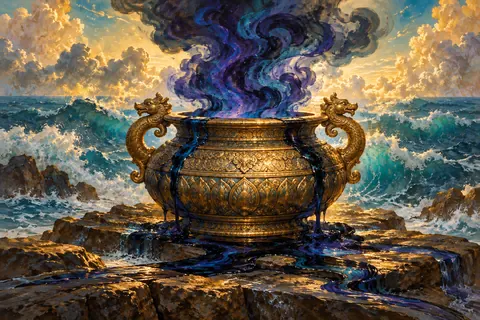
Shiva drinks the poison to protect living beings.
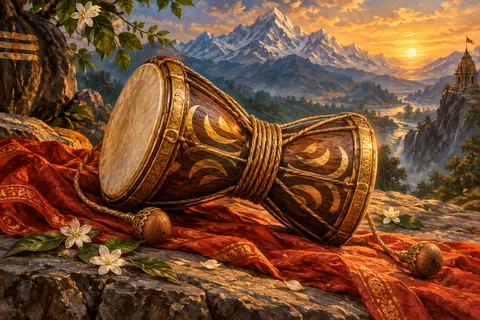
Shiva’s forms carry and sound the drum.
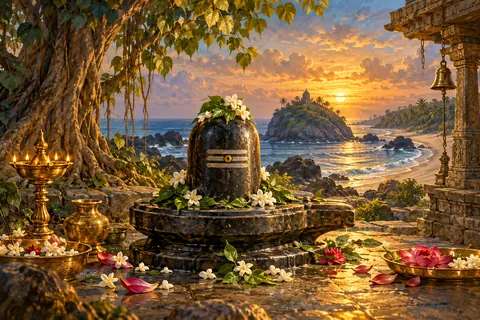
The linga is worshipped as Shiva at Gokarna.
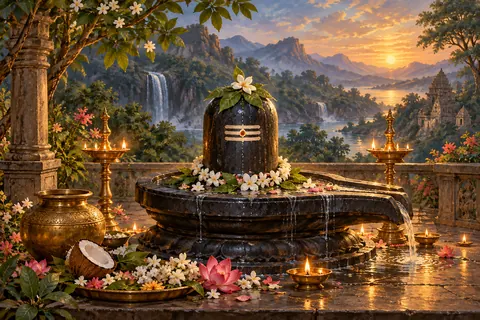
The Linga is a focus of devotion to Shiva.
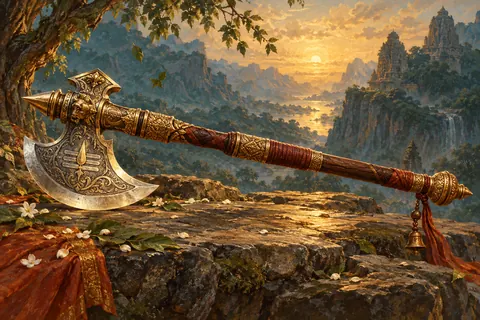
Ganesha recognises the axe as his father’s gift.
The Sacred Library11

The text uses Shiva for the all-pervading divine presence.
Shiva is the focus of devotion and the spiritual goal of the teaching.
The Linga signifies Shiva and receives worship directed to him.

Skanda says he received the teaching from his father Shiva.
The Kamika presents Shiva as the revealer and central object of its teaching and worship.
Shiva answers Parvati’s questions concerning bondage and liberation.
Shiva teaches the sages in the Ishvara Gita.

Shiva and Sati appear in the opening narrative.

Shiva recounts Sati’s death and explains the sacred landscape to Vetala and Bhairava.
Shiva answers the Goddess’s questions in the Mahanirvana passages discussed here.
Earthly Sacred Locations25
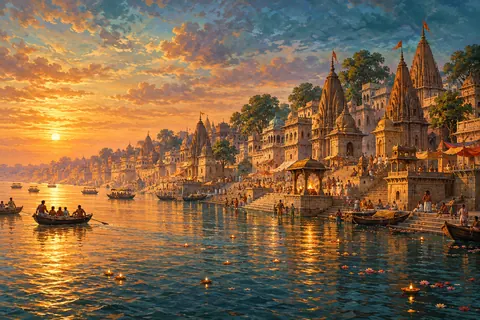
The Purana describes Kashi as Shiva’s protected city.

Shiva bears and releases the descending waters.
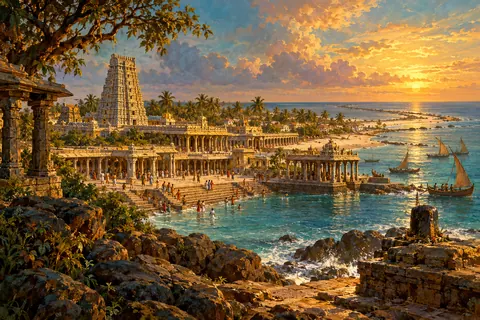
Shiva is worshipped as Ramanathaswamy or Rameshvara.

Shiva makes Kailasa a place of meditation, teaching and divine play.

Shiva creates Virabhadra and later restores the sacrifice after Brahma’s prayer.

Shiva is worshipped as Kedareshvara.
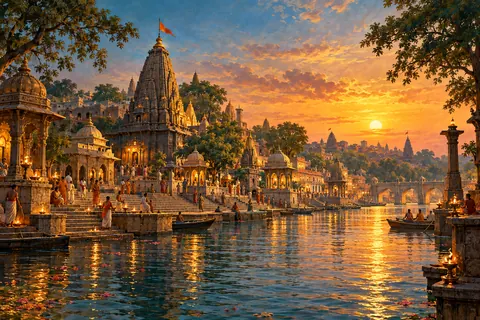
Shiva protects Avanti as Mahakala.

Mahabaleshwara is worshipped as Shiva’s presence in the Atmalinga.
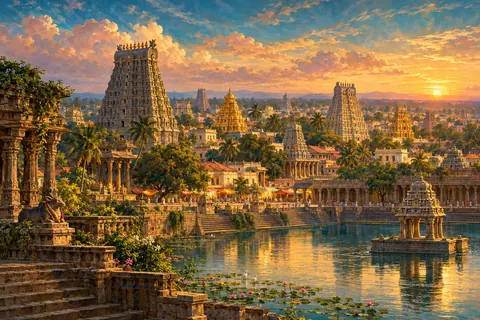
Shiva is worshipped at Ekambareswarar and Kailasanathar.
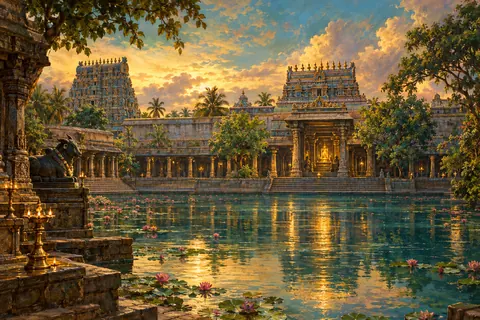
Chidambaram worships Shiva through the dance and the sacred association with space.
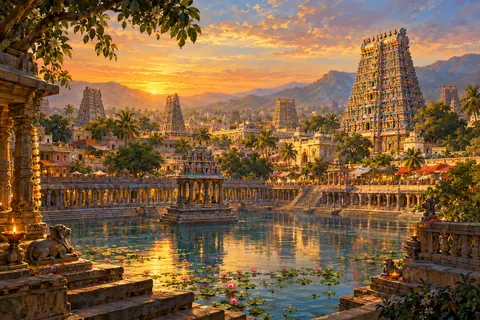
Sundareswarar is Shiva’s local temple identity.
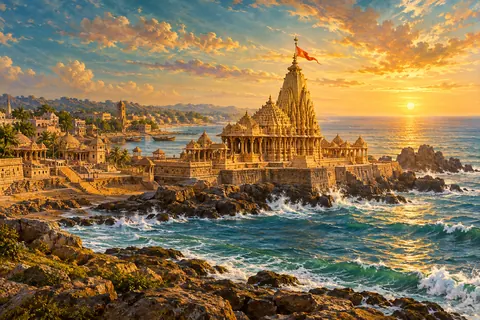
Shiva is worshipped as Somnath or Someshvara.
Realms & Cosmic Worlds4
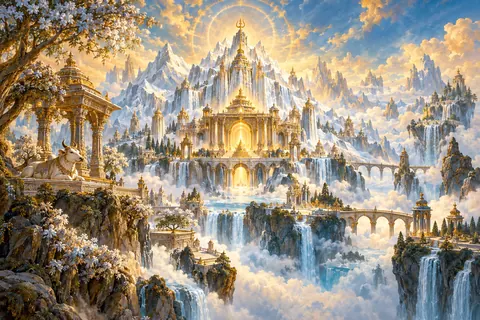
Kailasa is Shiva’s abode in this account.
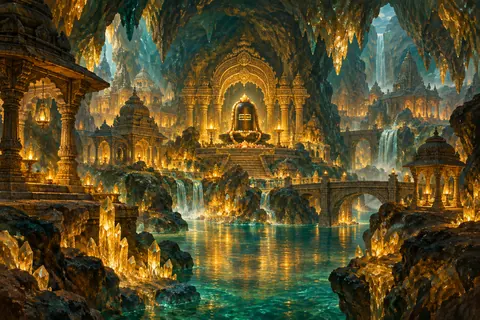
Shiva resides in Vitala as Hatakeshvara.
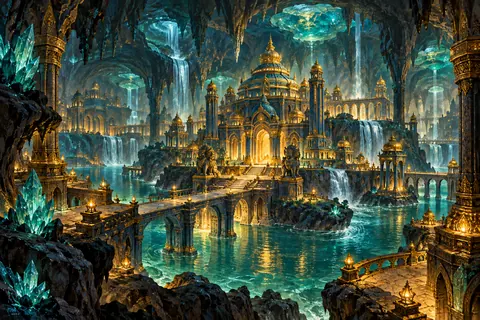
Shiva grants Maya protection after destroying the three cities.

Shiva drinks the poison released during the churning.
Stories & Events5


Shiva protects the world by drinking the poison.
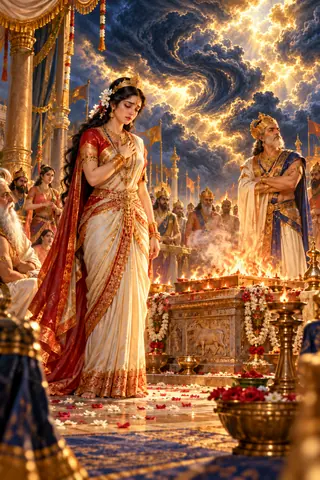
Shiva sends Virabhadra and later grants reconciliation.

Shiva releases the decisive single arrow.
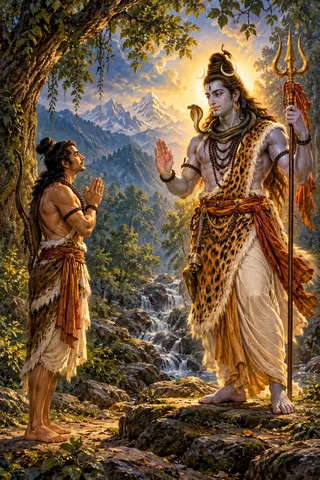
Shiva encounters Arjuna in a hunter’s form.
Characters & Cosmic Entities83
Bhavani accompanies Shiva in the poison episode.
Sati’s relationship with Shiva is central to Daksha’s sacrifice.
His sacrifice is destroyed during the conflict involving Shiva’s attendants.
Sabarimala tradition calls Ayyappa the son of Shiva and Mohini.

Sundareswarar is Shiva’s form worshipped beside Meenakshi in Madurai.
Bhringi defends his lord during the dice dispute.
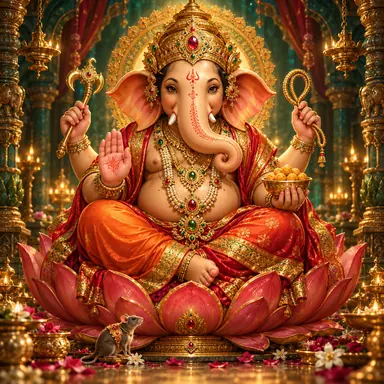
Shiva recognizes the restored Ganesha as his son.
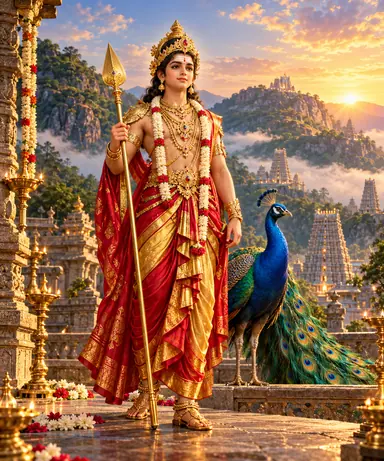
Kartikeya is the son whose coming answers the divine need.
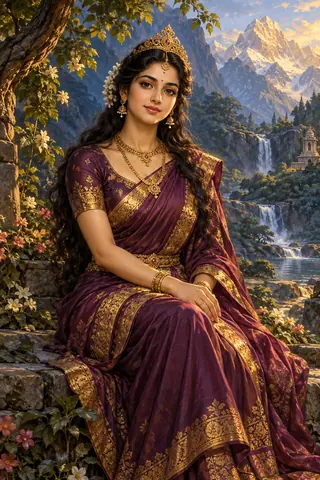
Ashokasundari identifies Shiva as her father.
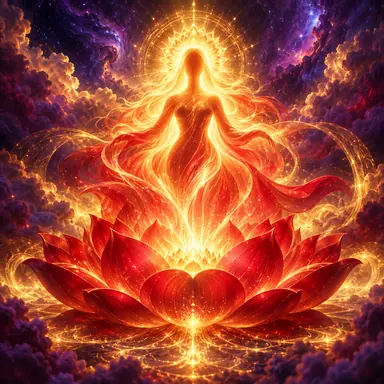
Dissolving capacity depends upon Shakti in this account.

Rudra brings forth Hiranyagarbha in the Shvetashvatara.
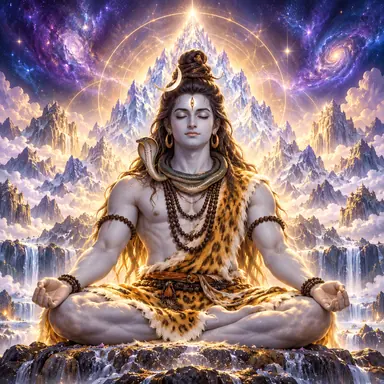
The Shaiva account describes transcendent reality manifesting as Sadashiva.
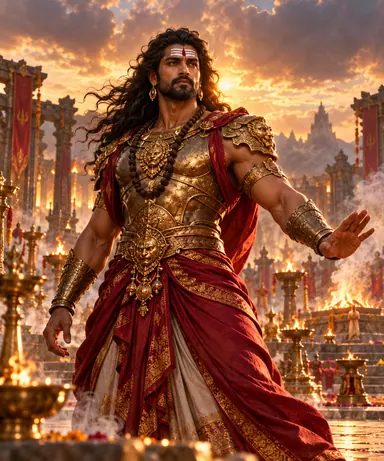
Leads Shiva’s attendants at Daksha’s sacrifice.
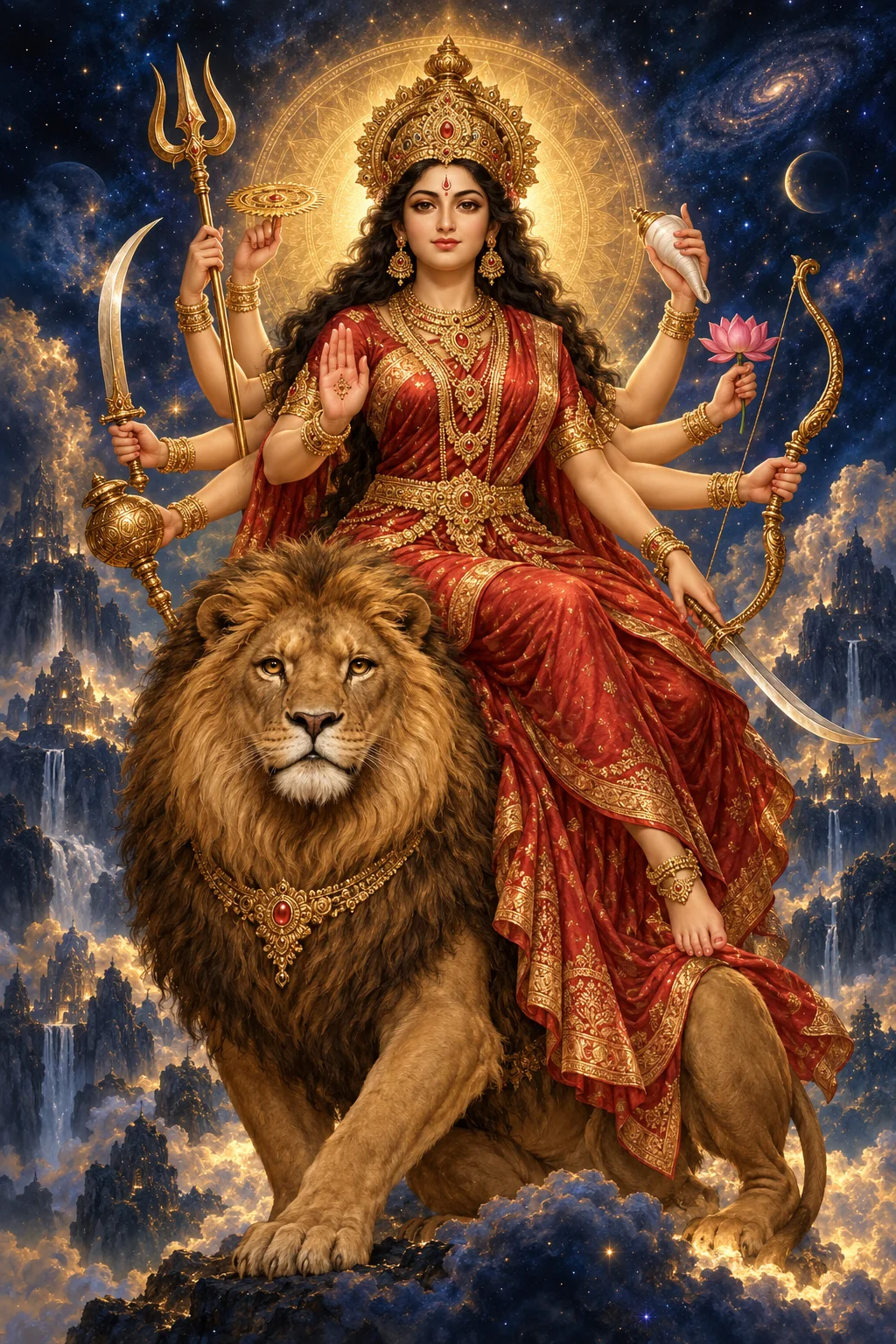
Receives the trident among the gods’ weapons.
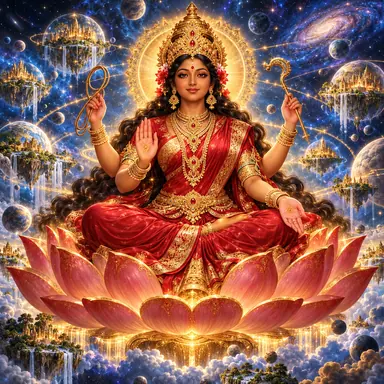
One of the three gods carried to her island.
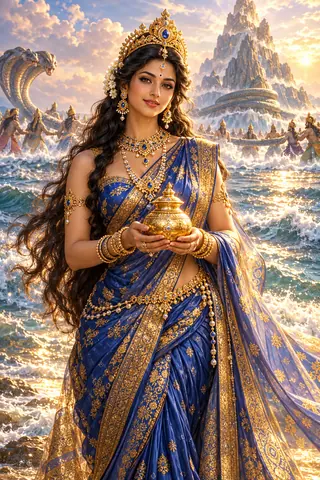
Shiva asks to see Mohini.
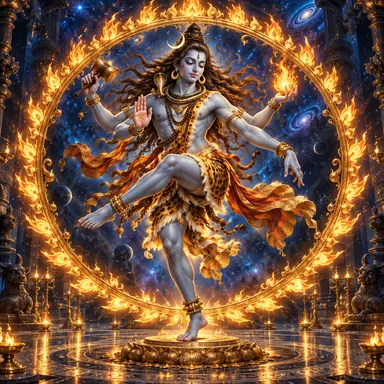
Nataraja is Shiva as dancer.
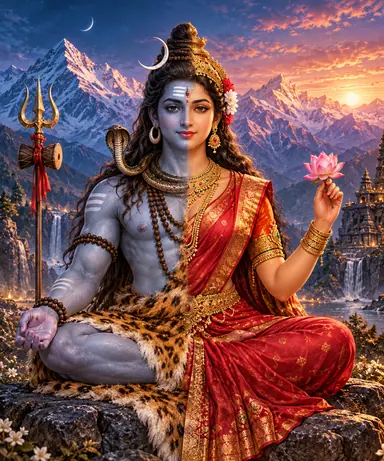
The male divine half is Shiva.
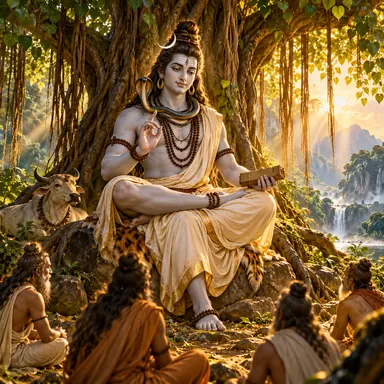
Shiva appears as the supreme teacher.
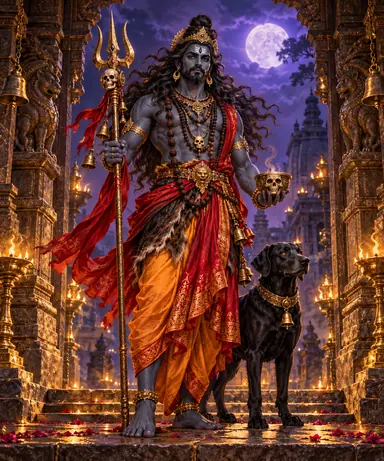
Bhairava is Shiva’s fierce manifestation.
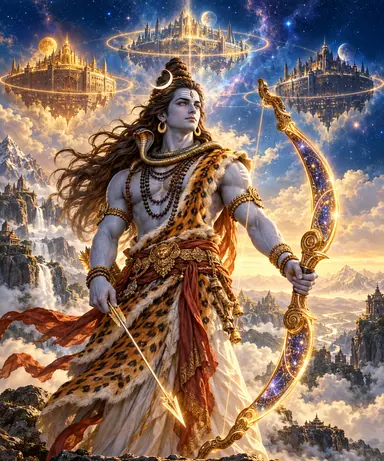
Tripurantaka is Shiva destroying the cities.
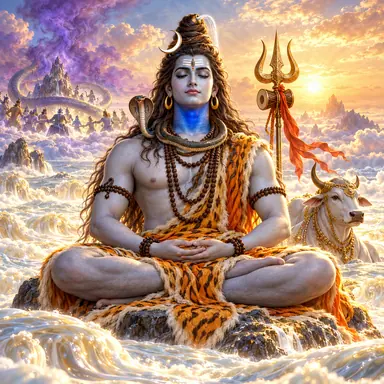
The blue throat belongs to Shiva after he receives the churning poison.
Pashupati names Shiva as Lord and liberator of bound beings.
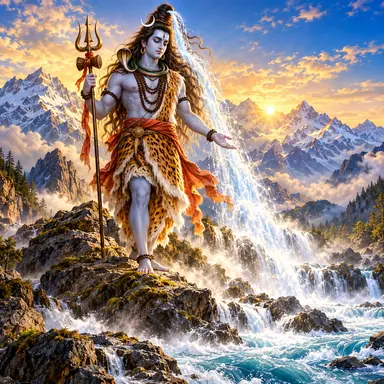
Shiva bears the celestial river in his locks.
Kalantaka is Shiva confronting the power of death.
Kamantaka is Shiva as the burner of Kama.
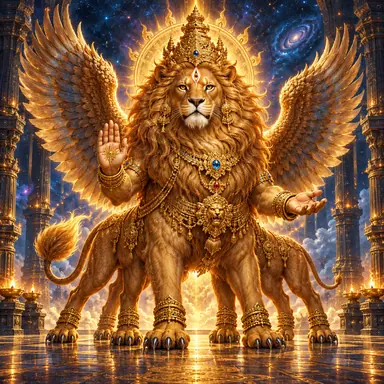
Sharabha manifests Shiva’s power in the Shaiva narrative.
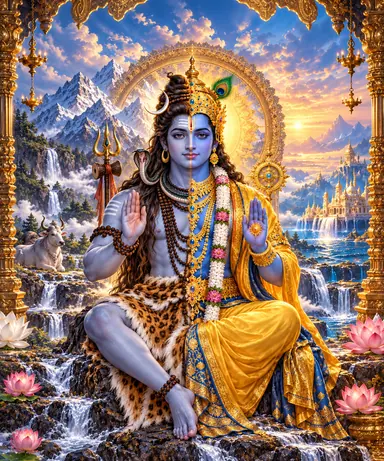
Hara names Shiva in the united form.
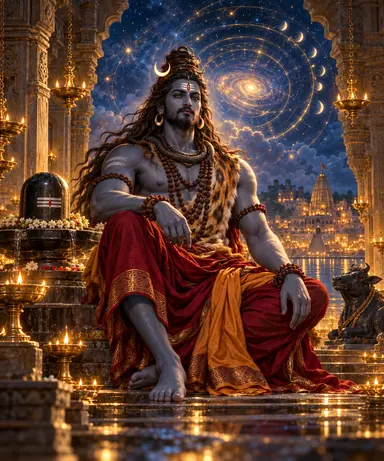
Mahakala is Shiva’s protective manifestation at Avanti.
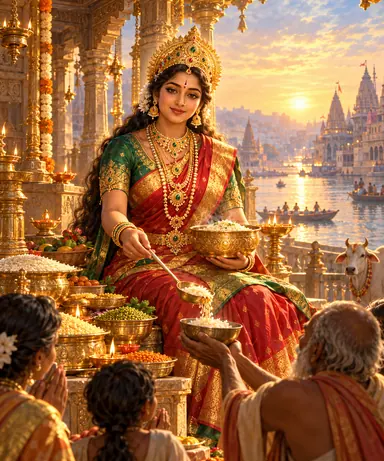
She is praised as beloved of Shankara and Maheshvara.
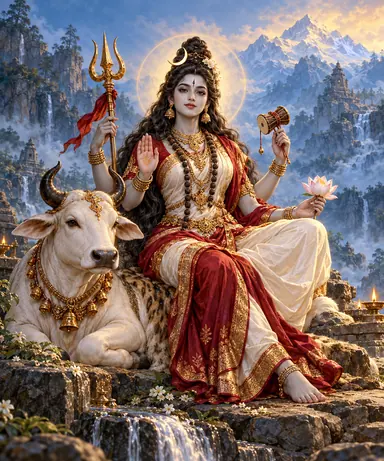
Maheshwari expresses the deity’s shakti in the Matrika setting.

The local narrative culminates in her union with Ekamranatha, Shiva.
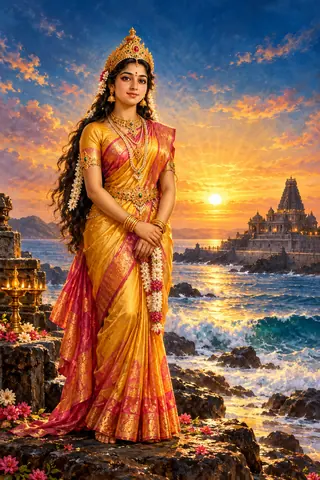
The local story tells of an intended marriage interrupted before completion.

Shiva visits the celestial hall as Kubera’s friend.
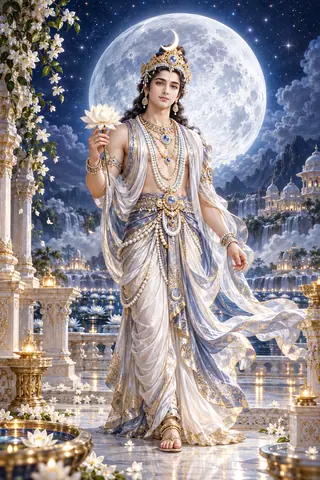
Grants cyclical recovery through the Somanatha narrative.
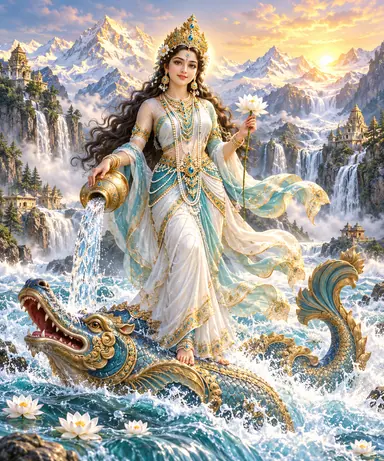
Receives and releases the descending Ganga.

Receives spiritual instruction from Shiva.
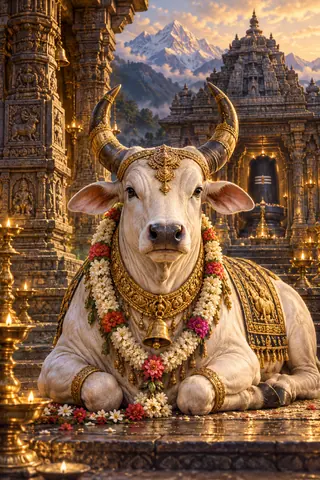
His penance and consecration establish enduring service beside Shiva.
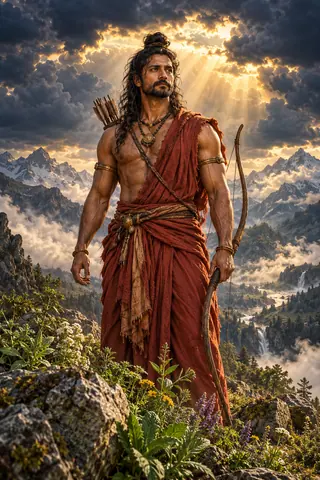
Later Shaiva identification develops from the Rudra tradition; the Vedic hymn setting remains distinct.
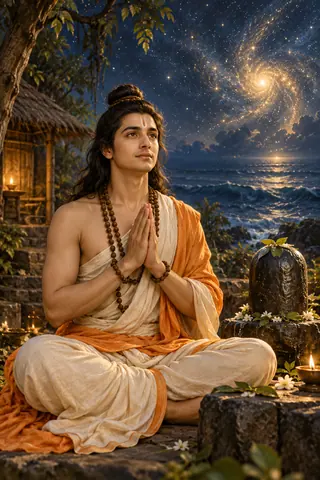
Shiva visits and blesses Markandeya.
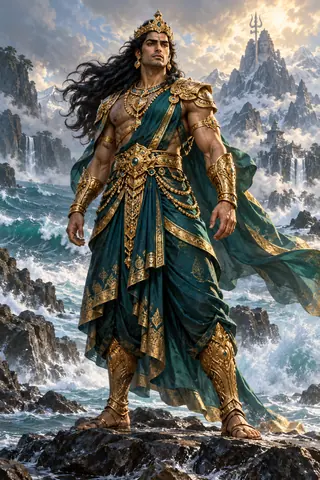
Jalandhara arises from Shiva’s radiance and returns to him at death.
Shiva’s son is destined to overcome Taraka.
Shiva guards Shonitapura and intercedes for Bana.

Shiva declares Pushan’s restored but altered function after the sacrifice.
Shiva sustains the falling river.
Shiva restrains and establishes Revanta in the Revanteshvara account.
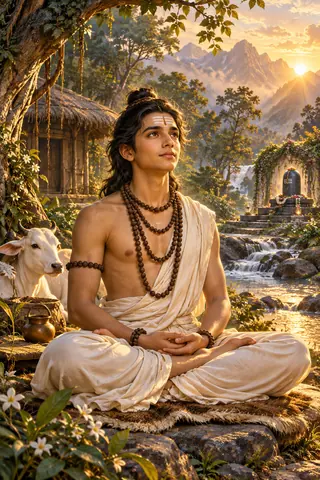
Upamanyu receives Shiva’s grace and transmits his praise.
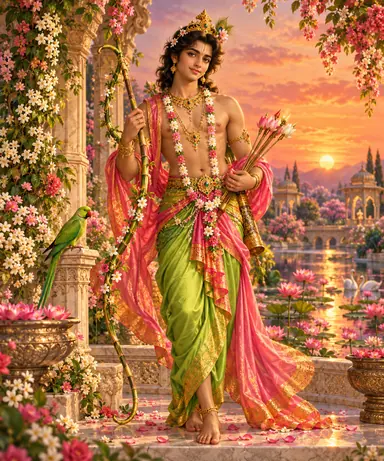
Shiva burns Kama and later restores him in the wedding narrative.
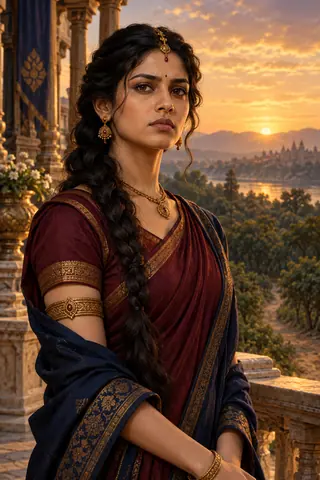
Shiva promises her future role in Bhishma’s defeat.
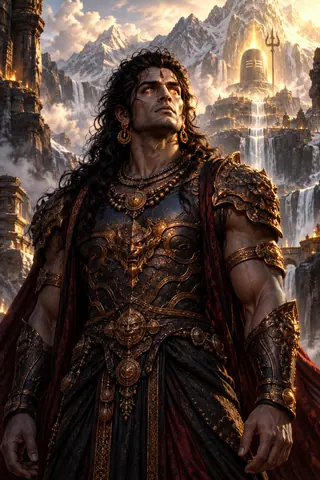
Shiva releases the repentant Andhaka and receives him among his attendants.
Shiva burns the aligned cities with one arrow.
Shiva burns the three aligned cities.
Shiva ends the brothers’ rule with one arrow through the aligned cities.
Bhauma is born from Shiva’s sweat and receives planetary status through his favour.

Ishana is explicitly identified as a form of Shiva.
The Shiva Purana includes Ahirbudhnya among Shiva’s eleven protective forms.
The passage identifies Kapalin and the other Rudras with Shiva.
The passage identifies Pingala and the other Rudras with Shiva.
The passage identifies Bhima and the other Rudras with Shiva.
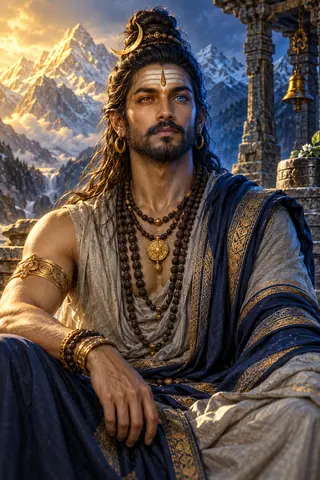
The passage identifies Virupaksha and the other Rudras with Shiva.
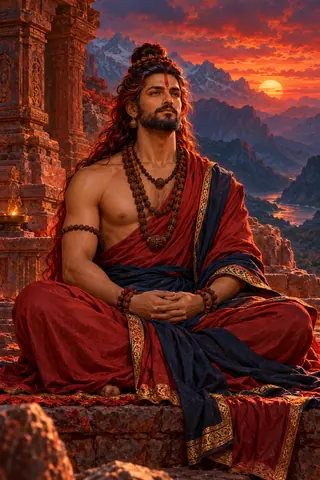
The passage identifies Vilohita and the other Rudras with Shiva.
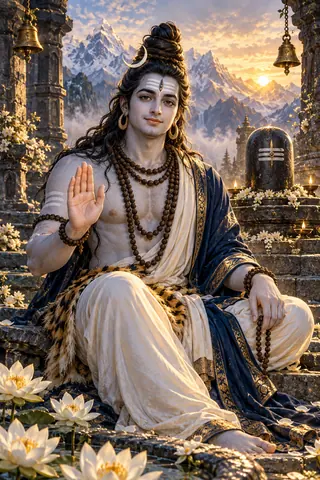
The name is applied to Shiva in the thousand-name praise.
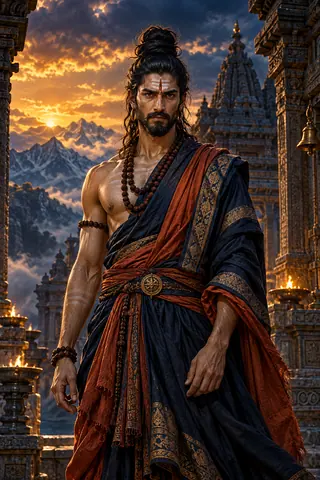
The passage identifies Chanda and the other Rudras with Shiva.
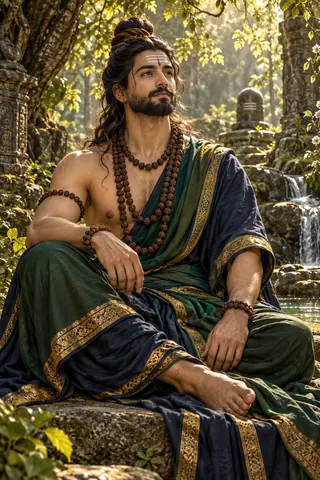
The Shiva Purana identifies Bhava as Shiva in the form of life-sustaining water.
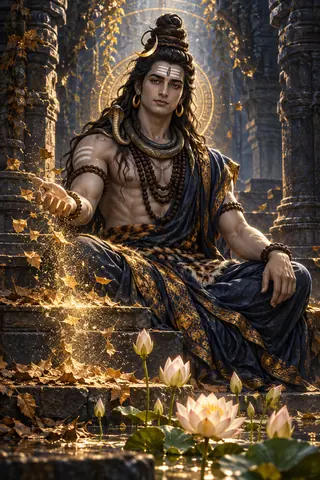
The name is applied to Shiva in the thousand-name praise.
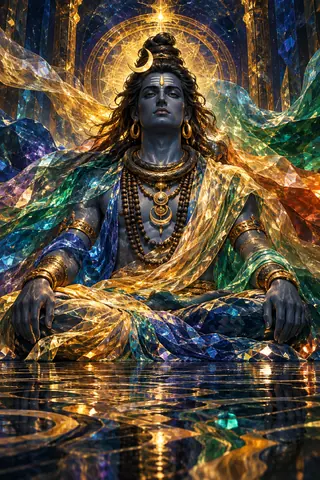
The name is applied to Shiva in the thousand-name praise.

The Shiva Purana names Tryambaka among Shiva’s forms and names.
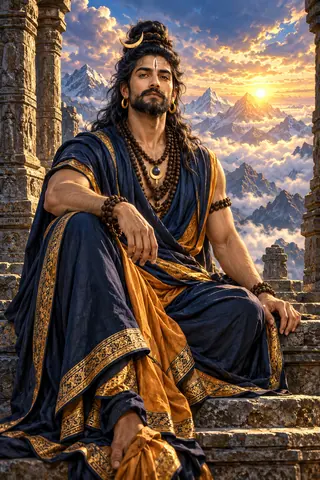
The name is applied to Shiva in the thousand-name praise.

Shiva explains her future divine, river and plant forms.

At the river’s request Shiva remains as Tryambaka.
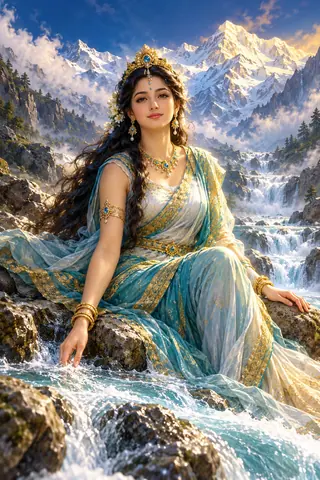
Shiva restrains and releases the descending river.

Shiva receives her hospitality during the drought and grants a boon for the pilgrimage place.
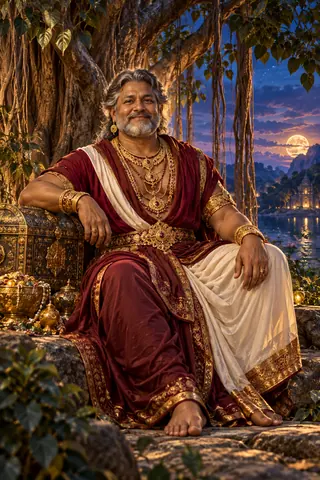
Purnabhadra worships Shiva through music while seeking a son.
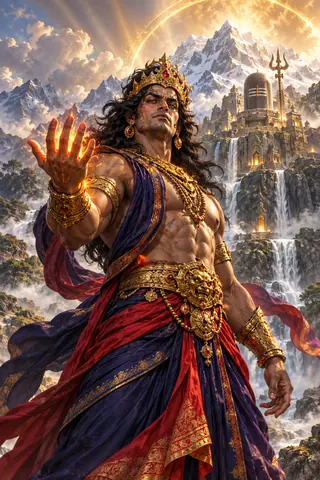
Shiva grants the destructive head-touch power and then becomes its intended target.
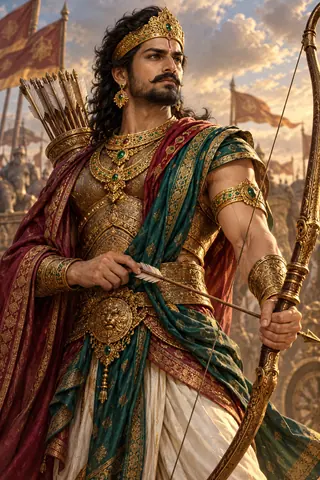
Shiva’s boon enables him to resist the four Pandavas other than Arjuna.

Shiva impales him, accepts the hide and grants the sacred-image association.

Shiva grants the protection gained through the asura’s austerities.

In the earlier-life account Shiva preserves his knowledge through repeated births and grants unhindered movement; Shiva also directs Garuda toward the crow sage’s teaching.
Shiva rescues and empowers the abandoned infant.
Shiva grants his request for a son capable of repaying the humiliation.

His austerities obtain the nectar protection that sustains Mahiravana.
Shiva becomes his son-in-law through Parvati’s marriage.
Shiva settles the sacrificial-wealth encounter by offering knowledge and freely giving the wealth.